


Simple DIY compost bin: What design offers efficient decomposition for garden waste?
Introduction: Unlocking the Power of Home Composting
Composting is a cornerstone of sustainable gardening, transforming kitchen scraps and garden waste into ‘black gold’ – nutrient-rich soil amendment. Not only does it reduce landfill waste, but it also enriches your garden soil, improves plant health, and saves money on fertilizers. While various commercial compost bins are available, building your own DIY bin can be a rewarding and cost-effective project. The key to successful composting lies in choosing a design that promotes efficient decomposition, turning your organic materials into usable compost quickly and effectively.
Essentials for Efficient Decomposition
Before diving into designs, understand the core principles that drive efficient composting:
- Aeration: Microbes need oxygen to break down organic matter. Good airflow prevents anaerobic conditions, which cause foul odors and slow decomposition.
- Moisture: The compost pile should be consistently damp, like a wrung-out sponge. Too dry, and decomposition stalls; too wet, and it becomes waterlogged and anaerobic.
- Carbon-Nitrogen Balance: A healthy mix of ‘greens’ (nitrogen-rich, like food scraps, grass clippings) and ‘browns’ (carbon-rich, like leaves, wood chips) is crucial. Aim for roughly 2 parts browns to 1 part greens by volume.
- Particle Size: Smaller pieces break down faster. Chopping or shredding materials can significantly speed up the process.
The best DIY compost bin designs facilitate these conditions, particularly aeration and ease of turning.
Popular DIY Compost Bin Designs for Efficiency
1. The Pallet Compost Bin
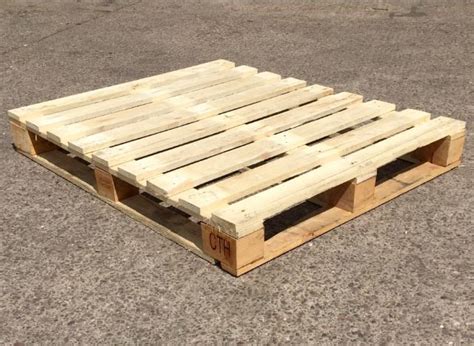
Design: Constructed from four standard wooden pallets joined together to form a square or cube. Often one side can be hinged or left open for easier access. Some designs use a three-sided structure for an open front, allowing for easy turning and adding materials.
Efficiency Factor: Pallets naturally have gaps, providing excellent airflow from all sides. They are sturdy, often free, and relatively quick to assemble. The large volume capacity allows for ‘hot’ composting if managed correctly.
Pros: Free/cheap, good aeration, robust, large capacity, relatively easy to build.
Cons: Can be bulky, requires some basic carpentry skills (drilling, bolting), wood eventually rots (though slow).
2. The Wire Mesh Compost Bin
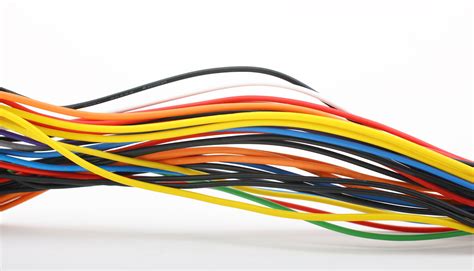
Design: Typically made from a single length of hardware cloth, chicken wire, or welded wire fencing formed into a cylinder and secured with wire or ties. Smaller versions can be made from a square of mesh.
Efficiency Factor: This design offers superior aeration due to the open mesh structure. It’s incredibly simple to construct and allows for easy turning by simply lifting the bin off the pile and reforming it elsewhere.
Pros: Very cheap, extremely easy to build (often just cut and connect ends), excellent aeration, portable, easy to turn piles.
Cons: Less robust for very large piles, material can spill out the sides, aesthetic might not suit all gardens.
3. The Wood Slat or Crate System
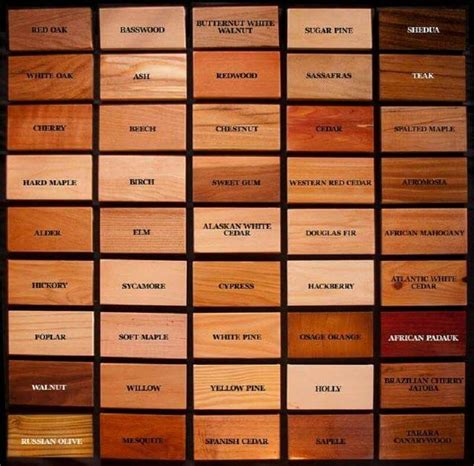
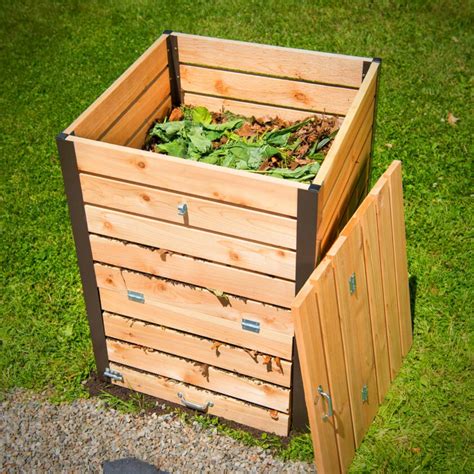
Design: Similar to a pallet bin but built from individual wooden slats or repurposed wooden crates. These can be single-chamber or multi-chamber systems (often 2-3 bins side-by-side) for active, maturing, and finished compost.
Efficiency Factor: Multi-chamber systems are excellent for continuous composting. You fill one, let it decompose, then turn it into the next, and so on. The slatted design provides good airflow, and the robust construction allows for vigorous turning.
Pros: Aesthetically pleasing, durable, excellent for continuous processing (multi-chamber), good aeration.
Cons: More time-consuming and costly to build, requires more carpentry skills.
Which Design Offers the Most Efficient Decomposition?
For sheer efficiency in breaking down garden waste quickly, especially for a beginner or someone wanting minimal fuss for maximum speed, the Wire Mesh Compost Bin often comes out on top for DIY solutions. Its unparalleled aeration promotes rapid aerobic decomposition, and the ease with which the entire structure can be lifted to turn the pile is a significant advantage. This allows for frequent aeration, which is key to ‘hot’ composting.
However, if you have a large volume of waste or prefer a more robust and permanent structure, the Pallet Compost Bin or a Multi-Chamber Wood Slat System offers excellent efficiency, provided you commit to regular turning. The multi-chamber system is arguably the most efficient for continuous, large-scale processing.
Tips for Maximizing Decomposition in Any DIY Bin
- Location: Choose a shaded, well-drained spot close to your garden and kitchen.
- Chop Materials: Break down large pieces of garden waste (branches, stalks) into smaller chunks (1-2 inches).
- Layering: While not strictly necessary, alternating layers of greens and browns can help balance the pile.
- Moisture Check: Regularly check the moisture content and add water if too dry, or ‘browns’ and turn if too wet.
- Turning: Turn your compost pile regularly (weekly to bi-weekly) to introduce oxygen and mix materials. This is the single most effective way to speed up decomposition.
Conclusion
Building a simple DIY compost bin is an accessible project for any gardener. While the wire mesh design offers a fantastic balance of simplicity and efficiency, especially for beginners or those prioritizing quick decomposition and ease of turning, robust pallet or wood slat systems are excellent for larger volumes and more permanent setups. By understanding the core principles of composting and selecting a design that supports them, you’ll soon be enjoying a steady supply of rich, homemade compost for a thriving garden.