



Best natural methods to deter deer from a country vegetable garden?
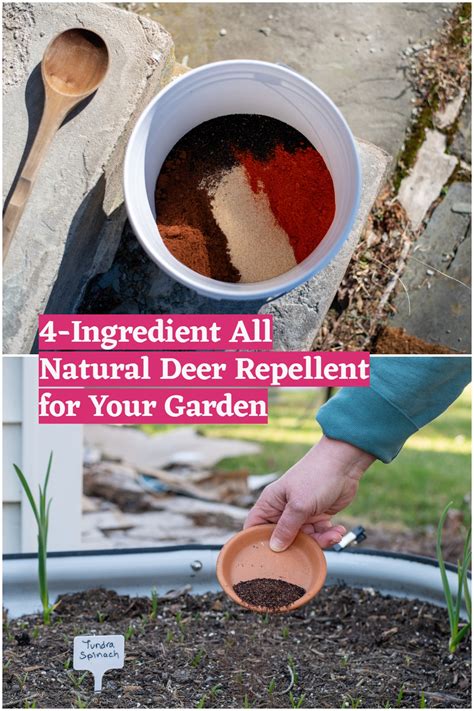
For country gardeners, the joy of cultivating fresh vegetables often comes with the challenge of sharing the bounty with local wildlife, particularly deer. These graceful but persistent visitors can decimate a garden overnight. Fortunately, a variety of natural and humane methods can effectively deter deer without resorting to harsh chemicals, ensuring both your harvest and the deer’s well-being.
Establishing Effective Physical Barriers
The most foolproof method for keeping deer out of your vegetable patch is often a physical barrier. While an 8-foot fence might seem drastic, deer are agile jumpers. Consider a taller fence, or even a double-layer fence with two shorter fences spaced a few feet apart, which confuses their jumping depth perception. Slanted fences, angled outwards at 45 degrees, can also be surprisingly effective.

For smaller areas or temporary protection, netting can be draped over rows or individual plants, especially during peak vulnerability times. Ensure the netting is securely anchored to the ground to prevent deer from pushing under it.
Harnessing the Power of Scent and Taste Repellents
Deer have a highly developed sense of smell and taste, which can be used against them. Many natural repellents work by making your plants unappealing.
Homemade Sprays:
- Rotten Egg Spray: Mix 3-4 raw eggs with a gallon of water and a dash of hot sauce. Strain the mixture and spray it onto foliage. Reapply after rain.
- Garlic and Pepper Spray: Blend garlic cloves and hot peppers with water, let it steep, then strain and spray.

Other strong-smelling items can also deter deer. Hang bars of strong-scented soap (like Irish Spring) from stakes around the garden. Bundles of human hair or pet fur, distributed strategically, can also create an unsettling scent for deer, signaling human or predator presence. Reapply these regularly as their scent diminishes.
Strategic Planting and Garden Design
While deer will eat almost anything if hungry enough, there are certain plants they find less palatable. Integrating these “deer-resistant” plants around the perimeter or throughout your garden can offer a layer of protection.
- Aromatic Herbs: Lavender, rosemary, mint, sage, and thyme are often avoided due0to their strong scents.
- Flowers: Marigolds, daffodils, poppies, and foxgloves are generally not on a deer’s menu.
- Prickly Plants: Plants with thorny or fuzzy leaves can be less appealing.

Consider the overall design of your garden. Keeping the area around your vegetable beds clear of tall weeds and brush can reduce places for deer to hide and feel secure near your plants.
Activating Visual and Auditory Deterrents
Deer are creatures of habit and can be easily startled by unexpected sights and sounds. Motion-activated sprinklers are highly effective, providing a sudden spray of water that surprises deer and teaches them to avoid the area. Solar-powered sonic repellents that emit high-frequency sounds can also be tried, though their effectiveness can vary.

Old CDs, aluminum foil strips, or reflective tape hung from stakes can create flashing lights and movement that deter deer. For a more traditional approach, a well-placed scarecrow, especially one that is periodically moved or has flapping elements, can also work, as long as it doesn’t become too familiar to the deer.
Consistent Management and Integrated Approach
The key to long-term success in deterring deer naturally is consistency and combining multiple methods. Deer are adaptable, and what works one season might lose its effectiveness if used in isolation. Rotate repellents, adjust physical barriers, and introduce new deterrents regularly to keep them guessing.
Regularly inspect your garden for signs of deer activity and address any breaches promptly. By employing a multi-pronged natural defense strategy, you can protect your country vegetable garden and enjoy a plentiful harvest while coexisting peacefully with local wildlife.