


How to naturally enrich garden soil for heirloom veggies?
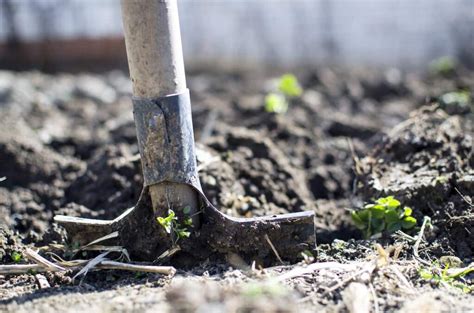
Heirloom vegetables, with their rich history and unique flavors, thrive in healthy, living soil. Unlike modern hybrids that might tolerate less-than-ideal conditions, heirlooms often perform best when their foundational environment – the soil – is brimming with natural nutrients and microbial life. Opting for natural enrichment methods not only benefits your plants but also contributes to a sustainable, chemical-free garden ecosystem.
Understanding Your Soil’s Foundation
Before you begin enriching, it’s wise to understand your current soil composition. A simple soil test can reveal its pH, nutrient levels, and organic matter content, guiding your efforts. Heirloom varieties generally prefer a neutral to slightly acidic pH (6.0-7.0) and well-draining soil rich in organic matter. Addressing any foundational imbalances will make subsequent enrichment efforts far more effective.

The Power of Composting
Compost is arguably the most powerful natural soil amendment available to gardeners. It’s a goldmine of macro and micronutrients, beneficial microorganisms, and organic matter. Regularly incorporating well-rotted compost into your garden beds improves soil structure, aeration, water retention, and nutrient availability. For heirloom vegetables, a steady supply of compost ensures they receive a balanced diet, leading to stronger plants and more flavorful produce.
You can create your own compost from kitchen scraps, yard waste, and even manure. Aim for a good mix of ‘greens’ (nitrogen-rich) and ‘browns’ (carbon-rich) to achieve optimal decomposition. Turn your compost pile regularly to aerate it and speed up the process.

Cultivating with Cover Crops
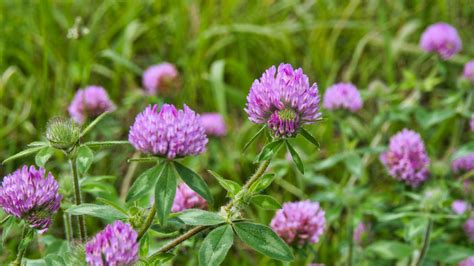
Cover crops are living mulches planted to protect and improve the soil when your main crops aren’t growing. Varieties like clover, vetch, and rye can be sown in late summer or fall, then tilled into the soil in spring before planting your heirloom seedlings. As they decompose, cover crops add significant organic matter, fix nitrogen (legumes), suppress weeds, prevent erosion, and break up compacted soil.
This practice is especially beneficial for heavy feeders like tomatoes and corn, ensuring the soil remains fertile and lively year-round. Choose cover crops appropriate for your climate and specific soil needs.

The Magic of Mulch
Mulching is a simple yet incredibly effective way to enrich and protect your garden soil. Applying a 2-4 inch layer of organic mulch – such as straw, shredded leaves, wood chips, or grass clippings – around your heirloom plants offers numerous benefits. It suppresses weeds, conserves soil moisture, regulates soil temperature, and, most importantly, gradually breaks down to add organic matter and nutrients to the soil. As the mulch decomposes, it feeds the soil’s microbial life, creating a healthier environment for plant roots.
Boosting with Beneficial Additives
Beyond compost and cover crops, several other natural amendments can give your heirloom garden an extra boost:
- Worm Castings: Often called ‘black gold,’ worm castings are the richest natural soil enhancer known. Packed with beneficial microbes, enzymes, and readily available nutrients, they significantly improve soil structure and plant vigor.
- Alfalfa Meal: A slow-release nitrogen source, alfalfa meal also contains trace minerals and growth stimulants. It’s excellent for heavy feeders and improving overall soil fertility.
- Kelp Meal: Rich in micronutrients, hormones, and growth stimulants, kelp meal enhances root development and helps plants resist stress.
- Rock Dust (Azomite): Provides a broad spectrum of trace minerals, which are often depleted in garden soils and are crucial for robust plant health and nutrient density in vegetables.
Conclusion
Nourishing your garden soil naturally is a continuous process that pays immense dividends, especially when growing heirloom vegetables. By regularly incorporating compost, utilizing cover crops, consistent mulching, and supplementing with beneficial additives, you create a living, breathing ecosystem beneath your plants. This holistic approach ensures your heirloom varieties receive the optimal conditions they need to flourish, producing delicious, nutrient-dense harvests year after year, all while fostering a healthier, more resilient garden.