



How to prevent blossom end rot in homegrown garden tomatoes naturally?
Understanding Blossom End Rot in Tomatoes
Blossom end rot (BER) is a common and frustrating physiological disorder that plagues many home gardeners’ tomato crops. It’s not caused by a pest or disease, but rather by a calcium deficiency in the developing fruit, usually due to inconsistent water uptake. The first sign is a water-soaked spot on the blossom end (bottom) of the tomato, which then darkens, enlarges, and becomes leathery and sunken. While the rest of the fruit may appear healthy, the affected part is inedible.
The good news is that blossom end rot is almost entirely preventable with a few natural and consistent gardening practices. Understanding its root causes – primarily fluctuating soil moisture and sometimes insufficient available calcium in the soil – is the first step to ensuring a bountiful harvest of perfect tomatoes.
1. Master Consistent Watering Practices
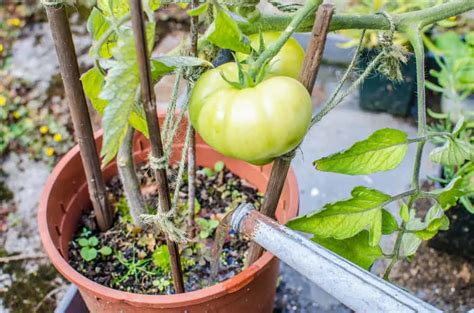
Inconsistent watering is the number one culprit behind blossom end rot. Tomatoes need a steady supply of moisture to transport calcium from the soil up to the developing fruits. When water levels fluctuate wildly – periods of drought followed by heavy watering – the plant struggles to move calcium efficiently, leading to BER.
- Deep and Regular Watering: Aim for deep watering 2-3 times a week, rather than shallow daily sprinkles. This encourages roots to grow deeper, making them more resilient to dry spells.
- Check Soil Moisture: Before watering, stick your finger about 2 inches into the soil. If it feels dry, it’s time to water.
- Morning Watering: Water in the morning to allow foliage to dry before evening, reducing the risk of fungal diseases.
2. Utilize Organic Mulch to Retain Moisture
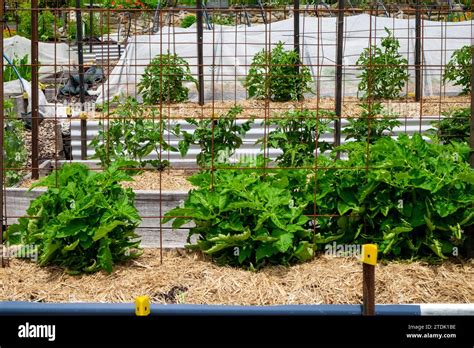
Mulching is a gardener’s best friend for consistent soil moisture. A good layer of organic mulch around your tomato plants helps to regulate soil temperature, suppress weeds, and most importantly, retain moisture in the soil, preventing the rapid evaporation that can lead to watering inconsistencies.
- Apply a Thick Layer: Once your tomato plants are established, apply a 2-4 inch layer of organic mulch such as straw, shredded leaves, or wood chips around the base of the plants, keeping it a few inches away from the stem.
- Benefits Beyond Moisture: Mulch also slowly breaks down, adding organic matter and nutrients back into your soil over time.
3. Optimize Soil Calcium and pH Naturally
While inconsistent watering is the primary issue, ensuring adequate calcium in your soil and the right pH for its uptake is also crucial. Calcium might be present, but unavailable if the pH is too acidic or alkaline.
- Soil Test: Start with a soil test to determine your soil’s current calcium levels and pH. The ideal pH for tomatoes is between 6.0 and 6.8.
- Natural Calcium Amendments: If your soil test indicates low calcium, amend it before planting. Good natural sources include bone meal, crushed eggshells (work slowly over time), gypsum, or agricultural lime (if pH is also low).
- Compost Power: Regularly amending your soil with good quality compost improves overall soil structure, moisture retention, and nutrient availability, including calcium.

4. Avoid Root Disturbance and Over-Fertilization
Tomato roots are sensitive and play a critical role in nutrient and water uptake. Any damage to these roots can hinder the plant’s ability to absorb calcium, even if it’s abundant in the soil.
- Shallow Cultivation: Be careful when weeding or cultivating around your tomato plants. Use shallow techniques or hand-pull weeds to avoid damaging feeder roots.
- Proper Spacing: Give plants adequate space to grow without competing for resources or having their roots become overly crowded.
- Balanced Fertilization: Avoid high-nitrogen fertilizers early in the season, as excessive nitrogen can promote lush foliage growth at the expense of fruit development and can sometimes interfere with calcium uptake. Opt for balanced, organic fertilizers suitable for fruiting plants.

5. Choose Resistant Varieties and Plant Correctly
While any tomato can get BER under the right conditions, some varieties are more susceptible than others. Long, blocky, or paste tomatoes (like Roma) often show BER more readily than round varieties.
- Select Resistant Varieties: When planning your garden, look for tomato varieties specifically noted for BER resistance. Read seed packet descriptions carefully.
- Proper Planting: Plant tomato seedlings deep, allowing roots to form along the buried stem, which creates a stronger root system better equipped for nutrient and water uptake.
By implementing these natural, proactive strategies, you can significantly reduce, if not eliminate, blossom end rot in your homegrown tomatoes. A little consistent care goes a long way in ensuring a beautiful and delicious harvest from your garden.