



How to get perfectly flaky homemade biscuits every time?

The quest for the ultimate flaky biscuit is a culinary journey many home bakers embark on. That delicate balance of crisp exterior and tender, layered interior is achievable, not just a distant dream. With a few key techniques and a mindful approach, you can create biscuits that will rival any bakery. Here’s how to get it right, every single time.
The Foundation: Cold Ingredients are Key
The single most crucial factor in achieving flaky biscuits is keeping your ingredients, especially the fat, as cold as possible. Cold butter (or shortening) creates pockets of steam in the oven as it melts, which separates the layers of dough, resulting in that signature flakiness. Cut your butter into small, pea-sized pieces and keep it chilled until the last moment.
Similarly, cold buttermilk contributes to a tender crumb and helps activate the leavening agents without warming up the dough too much. If your buttermilk isn’t ice cold, pop it in the freezer for 10-15 minutes before mixing.

Mastering the Mix: Don’t Overwork It
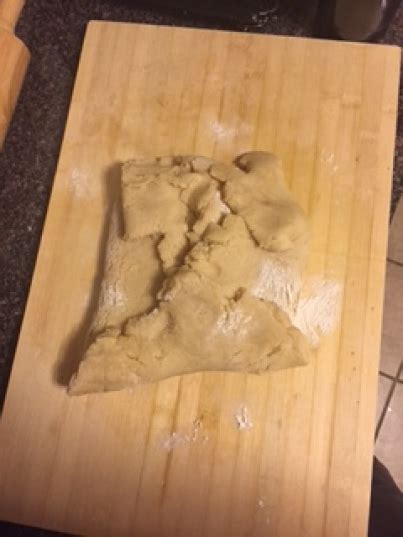
Once you combine the dry ingredients with the cold butter, work quickly but gently. The goal is to coat the butter in flour and then introduce the cold liquid just until everything comes together. Overmixing develops the gluten in the flour, leading to tough, dense biscuits instead of light, airy ones. Use your hands or a pastry blender for minimal contact, ensuring some visible butter chunks remain.
Resist the urge to knead the dough extensively. A few gentle folds, enough to bring it into a cohesive mass, are all that’s needed. The less you handle the dough, the more tender your biscuits will be.
The Secret to Layers: Folding and Stacking
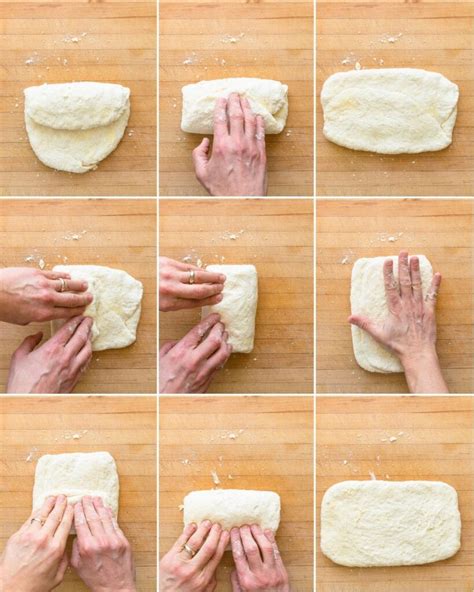
This is where the magic truly happens for those distinct, beautiful layers. After you’ve gently mixed your dough, turn it out onto a lightly floured surface. Instead of just patting it down, try a laminating technique. Pat the dough into a rectangle, then fold it into thirds (like a letter). Rotate it 90 degrees, pat it down again, and repeat the fold. Doing this 2-3 times creates dozens of thin layers that puff up wonderfully in the oven.
Each fold encapsulates more air and butter, setting the stage for magnificent flakiness. Keep your movements light and avoid pressing down too hard, which can compress the layers you’re trying to create.
Cutting and Baking for Success
When it’s time to cut your biscuits, use a sharp biscuit cutter and press straight down. Do not twist the cutter. Twisting seals the edges of the biscuit, preventing it from rising to its full potential and hindering those flaky layers from separating properly. Re-roll scraps only once or twice, as excessive re-rolling can lead to tough biscuits.
Bake your biscuits in a preheated oven at a high temperature, typically 425-450°F (220-230°C). The high heat causes the butter to melt rapidly and create steam, pushing the layers apart. Placing them relatively close on the baking sheet can also encourage a higher rise as they support each other.

Common Pitfalls and How to Avoid Them
- Warm Ingredients: Always start with very cold butter and buttermilk.
- Overmixing: Mix just until combined, leaving some butter chunks visible.
- Twisting the Cutter: Press straight down without twisting to ensure a proper rise.
- Insufficient Layers: Implement the folding technique for maximum flakiness.
- Low Oven Temperature: A hot oven is crucial for that initial steam burst and rise.

Achieving perfectly flaky homemade biscuits is a rewarding experience that comes with practice. By focusing on cold ingredients, gentle handling, strategic layering, and proper cutting, you’ll soon be pulling golden, cloud-like biscuits from your oven every time. Enjoy the journey and the delicious results!