

Building a sturdy, pest-free composting bin for garden waste?

Composting is a cornerstone of sustainable gardening, transforming kitchen scraps and garden waste into valuable soil amendment. While many commercial bins exist, building your own allows for customization, robustness, and crucially, effective pest exclusion. A well-designed, sturdy, and pest-free composting bin is an investment that pays dividends in healthy soil and reduced waste.
Why Build Your Own Pest-Free Composter?
Off-the-shelf compost bins often fall short in durability and pest resistance. Rodents, insects, and other critters are naturally attracted to organic waste, and flimsy plastic or open designs can become an unwelcome buffet. Building your own provides control over materials, ensuring a robust structure that can withstand the elements and a secure design that keeps uninvited guests out. Plus, it’s a satisfying DIY project that contributes directly to your garden’s health.
Planning Your Composting Bin Design
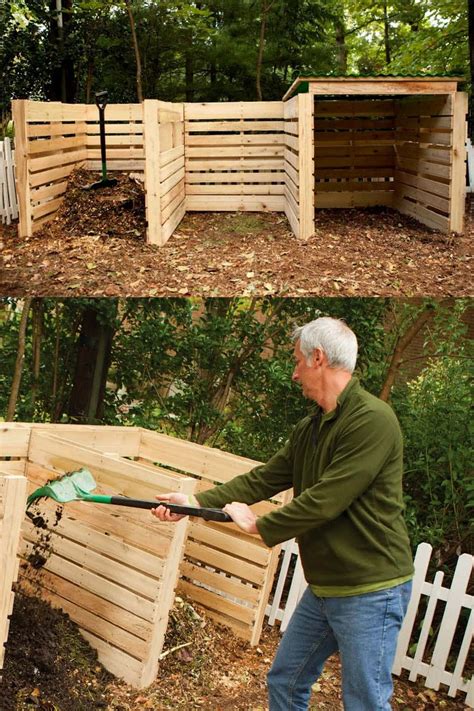
Before grabbing your tools, consider the best design for your needs. Factors include:
- Location: Choose a shaded, well-drained spot, ideally not directly against your house.
- Size: A bin around 3x3x3 feet (1 cubic meter) is often ideal for efficient composting for an average household.
- Type: A single-chamber bin is simplest, while a two or three-chamber system allows for batch composting (one pile curing, one being actively filled). For pest-free, an enclosed, bottomed design is best.
Essential Materials for Durability and Pest Resistance
The right materials are key to a long-lasting, pest-free bin:
- Wood: Pressure-treated lumber, cedar, or redwood are excellent choices for their rot resistance. Untreated hardwoods can also work if well-ventilated and regularly maintained.
- Hardware Cloth: This is your primary pest deterrent. Opt for galvanized steel hardware cloth with a mesh size of 1/4 inch or 1/2 inch. Anything larger risks letting rodents through. Chicken wire is generally not strong enough for determined pests.
- Fasteners: Stainless steel screws and heavy-duty staples or poultry netting staples will ensure everything stays together.
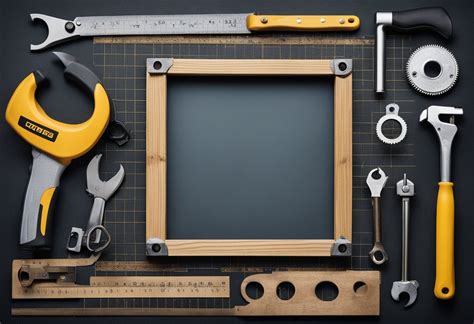
- Tools: Saw, drill, staple gun, wire cutters, measuring tape, and safety gear.

Step-by-Step Construction Guide
1. Building the Frame
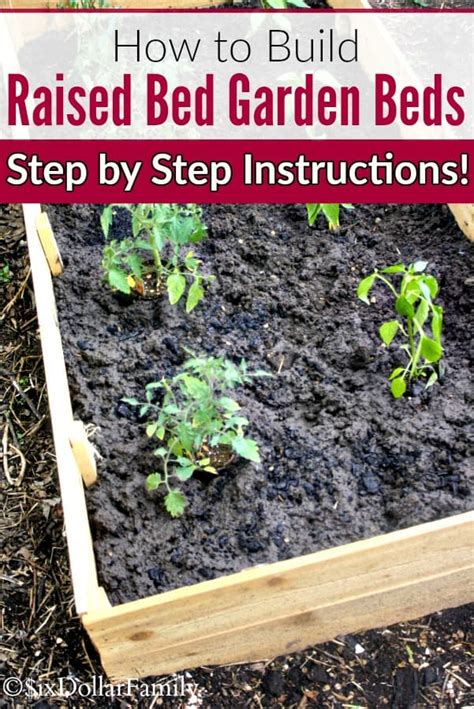
Construct a sturdy wooden frame. For a 3x3x3 foot bin, you’ll need four corner posts and horizontal supports for all four sides and the top and bottom. Use strong joints (e.g., butt joints with corner braces or lap joints) and ample screws.
2. Adding the Hardware Cloth Base
This is crucial for pest-proofing from below. Attach a piece of hardware cloth to the bottom of your frame, ensuring it’s securely stapled or screwed on all sides, overlapping the wood slightly. This prevents rodents from burrowing in.
3. Enclosing the Sides and Back
Measure and cut hardware cloth panels for the sides and back. Tightly attach them to the inside of the wooden frame using heavy-duty staples every few inches. Ensure there are no gaps for pests to exploit.
4. Designing the Access Door and Lid
For easy access and turning, you’ll need a door and a lid. A hinged lid is best for the top. For the front, you can create a removable panel or a hinged door. If using a removable panel, ensure it slides snugly into place. For a hinged door, reinforce the frame and cover it with hardware cloth, adding secure latches.
5. Ensuring Adequate Ventilation
While pest-proofing, don’t sacrifice airflow. The hardware cloth itself provides excellent ventilation. Avoid solid sides or a completely sealed top, as oxygen is vital for aerobic decomposition. The mesh allows air circulation while keeping pests out.
Pest-Proofing Beyond Construction
Even the best design needs good practice:
- Cover “Green” Materials: Always bury fresh kitchen scraps (nitrogen-rich “greens”) under a layer of “brown” materials like leaves or wood chips. This helps deter flies and odors.
- Avoid Problematic Items: Do not compost meat, dairy, bones, oily foods, or pet waste, as these are strong attractants for pests.
- Maintain Moisture and Temperature: A well-managed compost pile heats up, which can kill pathogens and make the environment less appealing to some pests. Keep it moist but not soggy.
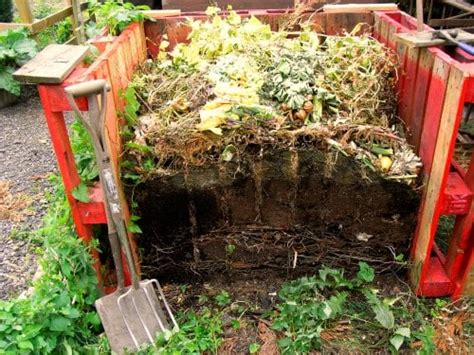
- Regular Turning: Turning the pile aerates it, speeds decomposition, and can disrupt any pest colonies trying to establish themselves.
Conclusion
Building a sturdy, pest-free composting bin is a rewarding project that elevates your gardening game. By investing in quality materials like durable wood and fine-mesh hardware cloth, and following careful construction techniques, you can create an efficient, hygienic system for managing garden waste. Enjoy the fruits of your labor – nutrient-rich compost, reduced landfill waste, and a healthier, happier garden.