




What’s the best way to preserve fresh garden herbs for winter, keeping their flavor?

Unlocking Winter Flavor: Preserving Your Garden’s Bounty
As summer fades, the vibrant flavors of a fresh herb garden can seem like a distant memory. But with the right techniques, you can capture that peak freshness and enjoy your homegrown herbs all winter long. The key lies in choosing the preservation method that best suits each herb and prioritizes flavor retention.

Freezing: The Flavor Champion for Many Herbs
For many delicate herbs, freezing is arguably the most effective method for preserving their fresh taste and vibrant color. This technique minimizes cell damage and oxidation, locking in those precious volatile oils.
Ice Cube Tray Method (Water or Oil)
This is a popular and versatile method. Finely chop herbs like parsley, cilantro, basil, chives, dill, or mint. Pack them into ice cube trays, then cover with a small amount of water or olive oil. Freeze until solid, then transfer the herb cubes to freezer bags or containers. Water-based cubes are great for soups and stews, while oil-based cubes can be dropped directly into sauté pans or pasta sauces.
Blanching and Freezing
For heartier greens or large quantities of basil, a quick blanch can help preserve color and texture. Briefly dip herbs in boiling water, then immediately plunge into an ice bath. Pat dry thoroughly, then chop and freeze in airtight bags. This works particularly well for basil when making pesto later.
Direct Freezing
Some herbs, like rosemary and thyme sprigs, can be frozen whole on a baking sheet and then transferred to freezer bags once solid. This makes them easy to pluck off as needed.

Drying: A Traditional Method for Woody Herbs
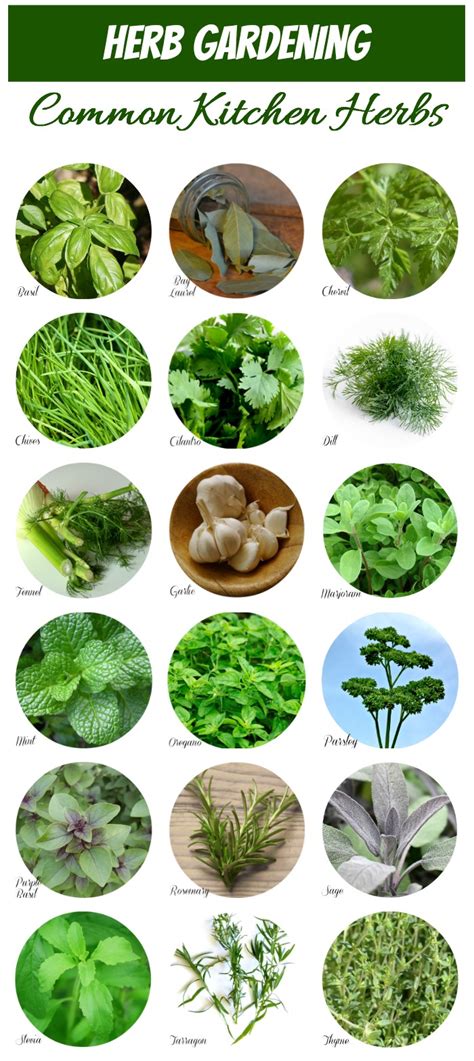
While drying alters the flavor profile more significantly than freezing, it remains an excellent choice for woody herbs where the flavor concentrates and intensifies. Think rosemary, thyme, oregano, sage, and bay leaves.
Air Drying
Tie small bundles of herbs together and hang them upside down in a warm, dry, well-ventilated area away from direct sunlight. This method is slow but gentle, preserving essential oils. Ensure good air circulation to prevent mold.
Dehydrator Drying
For faster and more consistent results, a food dehydrator is ideal. Set to a low temperature (around 95-105°F or 35-40°C) and dry until the herbs are crumbly. This method often yields better color and flavor than oven drying.
Oven Drying (Low Heat)
If you don’t have a dehydrator, you can use your oven at its lowest setting, propping the door open slightly to allow moisture to escape. Arrange herbs in a single layer on baking sheets. This method requires careful monitoring to prevent burning.
Other Creative Preservation Techniques
Beyond freezing and drying, there are other methods that infuse herbs into useful condiments, extending their life and versatility.
Herb Salts and Sugars
Finely chop herbs like rosemary, thyme, or sage and mix them with coarse salt (or mint/lavender with sugar). The salt or sugar draws out moisture, preserving the herb and infusing itself with its flavor. Store in airtight jars. These are fantastic for seasoning dishes or rimming cocktail glasses.
Herb-Infused Vinegars
Tarragon, basil, rosemary, and thyme are excellent for infusing vinegars. Simply submerge clean, dry herb sprigs in good quality white wine, apple cider, or white vinegar. Let steep for 2-4 weeks in a cool, dark place, then strain and bottle. Use these flavored vinegars in dressings, marinades, or to deglaze pans.
Tips for Maximizing Flavor Retention
- Harvest at Peak: Always harvest herbs in the morning after the dew has dried, but before the midday sun bakes out their oils.
- Clean Gently: Wash herbs only if necessary, and pat them completely dry before preserving. Excess moisture is the enemy of preservation.
- Label and Date: Always label your preserved herbs with the herb type and date of preservation.
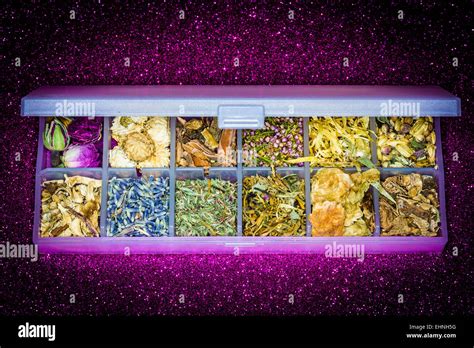
- Store Properly: Keep dried herbs in airtight containers in a cool, dark place. Frozen herbs should be in freezer-safe bags or containers to prevent freezer burn.

Conclusion
Preserving fresh garden herbs for winter doesn’t have to mean sacrificing their exquisite flavor. By selecting the right method—be it freezing for delicate greens, drying for woody aromatics, or infusing into salts and vinegars—you can extend the joy of your garden’s bounty through the colder months. Experiment with different techniques to find what works best for your favorite herbs and culinary applications, ensuring your winter cooking is always infused with garden-fresh zest.