




Easy ways to preserve garden bounty for winter meals?

Savoring Summer All Winter Long: Simple Garden Preservation Methods
Gardening is a truly rewarding endeavor, offering the freshest produce right at your fingertips. But as the seasons change and the chill of winter approaches, many gardeners find themselves with an abundance of fruits and vegetables that they can’t consume immediately. The good news is that preserving your garden bounty for winter meals is not only possible but also incredibly satisfying. Imagine enjoying the taste of summer tomatoes or crisp green beans in the dead of winter! Let’s explore some easy and effective methods to keep your harvest fresh and flavorful all year long.
Freezing: The Quick and Easy Method
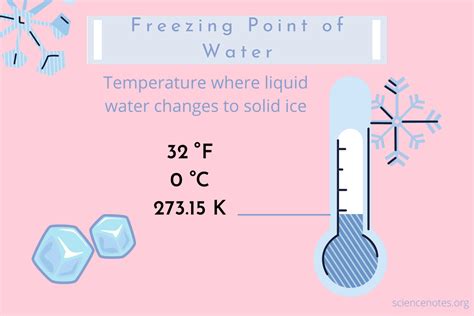
Freezing is perhaps the simplest and most accessible method for preserving many garden treasures. It requires minimal equipment and is perfect for a wide variety of vegetables and fruits. Most vegetables benefit from blanching (briefly boiling, then plunging into ice water) before freezing to stop enzyme action and preserve color, flavor, and texture. Berries, sliced peaches, and corn kernels can often be frozen raw. Simply spread them on a baking sheet to flash freeze, then transfer to airtight containers or freezer bags. Label everything with the date and contents, and enjoy your frozen produce for 8-12 months.
Canning: Sealing in Summer’s Flavor
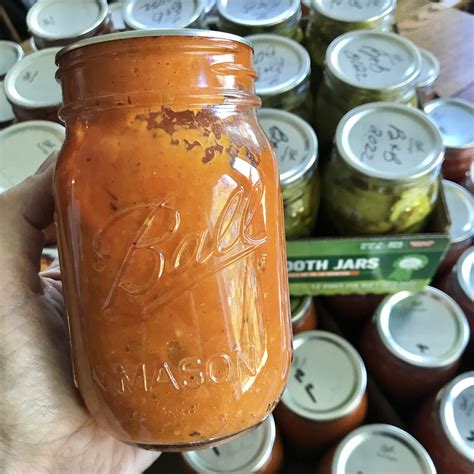
Canning is a time-honored tradition that effectively seals food in airtight jars, preserving it for long-term storage at room temperature. There are two main types of canning: water bath canning and pressure canning.
Water bath canning is suitable for high-acid foods like fruits, jams, jellies, pickles, and tomatoes (often with added acid). Pressure canning is essential for low-acid foods such as most vegetables, meats, and mixed dishes, as it reaches temperatures high enough to destroy dangerous bacteria like Clostridium botulinum. While it requires a bit more equipment and attention to detail, the reward is a pantry stocked with delicious, ready-to-eat meals, bringing a taste of summer to your winter table.
Dehydrating: Concentrating Natural Flavors
Dehydrating, or drying, removes moisture from food, inhibiting microbial growth and enzyme activity. This method results in lightweight, compact food items perfect for snacks, soups, or even emergency kits. A food dehydrator is the most efficient tool, allowing for controlled temperatures and even airflow. Alternatively, you can use an oven on its lowest setting with the door ajar, or even sun-dry in hot, dry climates. Think dried herbs, fruit leathers, apple chips, sun-dried tomatoes, or even dried mushrooms. Store dehydrated foods in airtight containers in a cool, dark place to prevent reabsorption of moisture.

Fermenting & Pickling: Tangy and Probiotic Rich
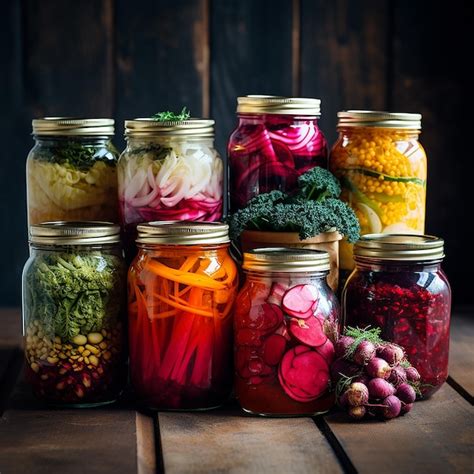
Fermentation and pickling not only preserve food but also enhance its flavor and often boost its nutritional value through probiotics. Pickling, using vinegar, creates a high-acid environment that inhibits spoilage. Fermentation, using beneficial bacteria (often naturally present), converts sugars into lactic acid, which acts as a natural preservative and gives fermented foods their distinctive tangy taste.
Classic examples include homemade sauerkraut, kimchi, dill pickles, and various relishes. These methods are relatively simple and can transform humble vegetables into zesty, gut-healthy additions to your winter diet. They also offer a unique way to experiment with flavors and textures.
Root Cellaring & Storage: The Natural Fridge
For certain root vegetables and fruits, simple cool, dark storage can extend their life for months without any special processing. A traditional root cellar, a cool basement, or even an unheated garage can serve as ideal storage locations. The key is consistent cool temperatures, high humidity (for root vegetables to prevent shriveling), and good ventilation to prevent mold and rot.
Vegetables like potatoes, carrots, beets, onions, garlic, and winter squash can thrive in these conditions. Each crop has specific needs, so a little research on ideal temperature and humidity for your specific produce will ensure optimal results and a longer shelf life.
Embrace the Harvest
Preserving your garden’s bounty is a rewarding journey that connects you more deeply with your food source and provides healthy, delicious meals through the colder months. Whether you opt for the simplicity of freezing, the tradition of canning, the convenience of dehydrating, the zest of fermenting, or the natural approach of root cellaring, each method offers a unique way to savor the flavors of your hard work. So, don’t let a single harvest go to waste – embrace these easy preservation techniques and enjoy your garden’s goodness all year long!