




Best tip for canning crisp garden green beans without blanching?

Many home canners believe blanching is a mandatory first step for green beans, but it’s not always necessary, especially if your goal is a crisp, firm texture. The best tip for canning crisp garden green beans without blanching lies in mastering the raw pack method combined with proper pressure canning.
Understanding the Raw Pack Method
The raw pack method involves placing uncooked, prepared vegetables directly into jars before adding hot liquid and processing. For green beans, this approach is excellent because it minimizes pre-cooking, which can often lead to softer beans. By avoiding blanching, you help preserve the bean’s natural firmness and vibrant color.
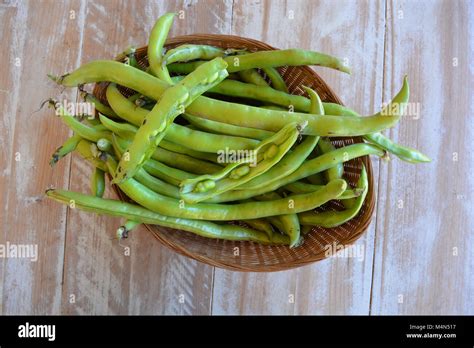
To begin, select young, tender, blemish-free green beans from your garden. Wash them thoroughly under cold running water to remove any dirt or debris. Snap off the ends and, if desired, break them into 1-inch pieces, or leave them whole for an impressive presentation in the jar.
Step-by-Step Raw Packing for Crispness
Once your beans are clean and trimmed, sterilize your canning jars and lids according to standard guidelines. While the beans themselves aren’t blanched, the jars and lids must be hot to prevent thermal shock.
- Pack Tightly: This is crucial. Pack the raw green beans into your hot jars as tightly as possible without crushing them. The beans will shrink slightly during processing, so a tight pack ensures more beans per jar and less empty space, which helps maintain their texture.
- Add Hot Liquid: Pour boiling water or boiling plain canning brine (1 tsp canning salt per quart, optional) over the beans, leaving 1 inch of headspace. The hot liquid helps to begin the heat transfer process and expel air, but it’s the pressure canning that truly cooks and preserves them safely.
- Remove Air Bubbles: Use a non-metallic utensil (like a plastic spatula or chopstick) to gently work out any trapped air bubbles from the jar. Add more hot liquid if necessary to maintain the 1-inch headspace.
- Wipe Rims and Seal: Clean the jar rims thoroughly with a damp cloth, center the hot lids, and apply the bands fingertip-tight.

The Crucial Role of Pressure Canning
For low-acid foods like green beans, pressure canning is not just a recommendation—it’s a safety imperative. Water bath canning is insufficient for green beans and carries a risk of botulism. A pressure canner heats the jars to temperatures well above boiling, effectively destroying harmful bacteria and spores.
Process pint jars for 20 minutes and quart jars for 25 minutes at 10 pounds of pressure (adjust for altitude). Always consult a reputable, up-to-date canning guide (like those from the USDA or your local extension office) for precise processing times and pressure settings based on your elevation and canner type. Following these guidelines precisely is key to both safety and texture.

Additional Tips for Maintaining Crispness
- Freshness is Key: Start with the freshest beans possible, ideally picked the same day or within a few hours of canning. Older beans tend to be tougher and less likely to stay crisp.
- Avoid Over-Processing: Stick strictly to the recommended pressure canning times. Over-processing will result in mushy beans, regardless of how they were packed.
- Cool Properly: Once processing is complete, let the pressure canner cool naturally until the pressure gauge reads zero. Remove the jars and let them cool undisturbed on a towel-lined counter for 12-24 hours. Avoid disturbing them or tightening lids until they are fully cooled and sealed.
Common Pitfalls to Avoid
While the raw pack method is straightforward, a few common mistakes can hinder your crispness goals:
- Using Old or Wilted Beans: These will never achieve a crisp texture once canned.
- Not Packing Tightly Enough: Loose packing allows more movement and potential for softness.
- Inadequate Headspace: Too little can cause siphoning; too much can lead to discolored beans and poor seals.
- Skipping Pressure Canning: This is a severe safety hazard and will not properly preserve the beans.
By embracing the raw pack method and adhering to strict pressure canning guidelines, you can enjoy crisp, vibrant garden green beans all year round, without ever needing to blanch them. It’s a simple technique that yields delicious, firm results every time.