


Picky eaters: How to involve kids in real food prep for healthy family meals?

The dreaded “I don’t like it!” can be a common refrain at dinner tables, turning mealtime into a battleground for many families. Dealing with picky eaters is a challenge that frustrates parents worldwide, often leading to a cycle of limited food choices and nutritional worries. However, what if the solution isn’t about forcing new foods, but about inviting children into the culinary journey itself? Involving kids in real food preparation can be a transformative approach, fostering curiosity, building essential life skills, and ultimately paving the way for healthier eating habits.
Transforming Mealtime Battles into Bonding Experiences
When children participate in preparing food, they develop a sense of ownership and accomplishment. This active involvement demystifies ingredients and cooking processes, making new foods less intimidating. A child who has helped wash vegetables, stir a batter, or even simply set the table is far more likely to try—and even enjoy—the meal they’ve contributed to. It shifts the focus from “what’s for dinner?” to “what did we make for dinner?”, fostering a positive association with food beyond just consumption.

Age-Appropriate Tasks for Every Little Helper
The beauty of involving kids in the kitchen lies in the adaptability of tasks to different age groups and skill levels. Even toddlers can help by washing fruits and vegetables, stirring ingredients in a bowl, or tearing lettuce for a salad. Preschoolers can measure ingredients, pour liquids, or spread sauces. Older children can take on more complex tasks like chopping soft vegetables with a kid-safe knife, reading recipes, or even learning to sauté under supervision. The key is to assign tasks that are safe, engaging, and provide a sense of contribution without overwhelming them.
Start with simple, manageable steps and gradually increase complexity as their confidence grows. Remember, the goal isn’t culinary perfection, but participation and positive experience.

Making Food Prep Fun and Educational
To truly captivate young minds, infuse fun into the process. Theme nights, like “Taco Tuesday” where everyone builds their own, or “Pizza Party” where kids top their individual creations, can make meal prep exciting. Utilize child-friendly kitchen tools, such as colorful measuring cups or smaller spatulas, to make them feel like real chefs. Turn it into a sensory adventure: let them smell herbs, touch different textures of produce, and observe the transformation of raw ingredients into a delicious dish. This engagement extends beyond the kitchen, teaching valuable lessons in math (measuring), science (cooking processes), and even culture (exploring international cuisines).

From Farm to Fork: Connecting with Food Sources
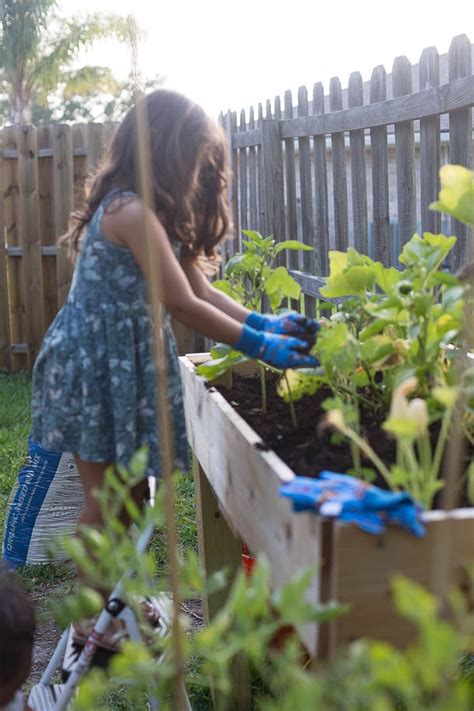
Extend the involvement beyond the kitchen by connecting children to where their food comes from. Visiting a farmer’s market, growing a small herb garden, or even just explaining the origins of different ingredients can significantly impact a child’s appreciation for food. When they understand the journey of a carrot from the ground to their plate, they’re more likely to respect it and be open to trying it. This holistic approach reinforces the value of fresh, wholesome ingredients and the effort that goes into producing them.

Patience, Persistence, and Positive Reinforcement
Introducing new habits takes time and patience, especially with picky eaters. There will be messes, spilled ingredients, and perhaps even protests. Embrace the chaos as part of the learning process. Focus on positive reinforcement, praising their effort and contribution rather than just the outcome. Avoid pressuring them to eat everything; instead, celebrate their willingness to try new tasks and be present in the kitchen. Over time, these positive experiences will build confidence and curiosity, gradually expanding their palates and fostering a lifelong healthy relationship with food.
Involving children in food preparation is more than just a strategy for dealing with picky eaters; it’s an investment in their health, independence, and overall well-being. By giving them a seat at the prep counter, you’re not just cooking healthy meals; you’re cultivating happy, healthy, and adventurous eaters for life.