


Secrets for fluffy homemade biscuits using lard from scratch?

Unlocking the Fluff: The Lard Advantage
There’s a reason grandmothers swore by it: lard is the secret ingredient for biscuits that are not just good, but truly transcendent. When used correctly, lard creates an unparalleled tenderness and sky-high rise that butter, while delicious, simply can’t match. Its higher melting point and unique fat crystals contribute to the light, airy texture we all crave in a homemade biscuit. Forget everything you thought you knew about baking fats, because we’re diving into the techniques that make lard the star of your biscuit tin.
The Essential Role of Super Cold Lard
The foundation of a fluffy biscuit lies in the temperature of your fat. Just like with pie crusts, cold lard is paramount. As the biscuit bakes, these tiny, cold pieces of lard melt, releasing steam that creates pockets of air, resulting in those coveted flaky layers. For best results, cube your lard and chill it in the freezer for 15-20 minutes before you begin. You can even grate frozen lard directly into your flour mixture for incredibly even distribution and minimal handling.
Mastering the Flour and the Mix
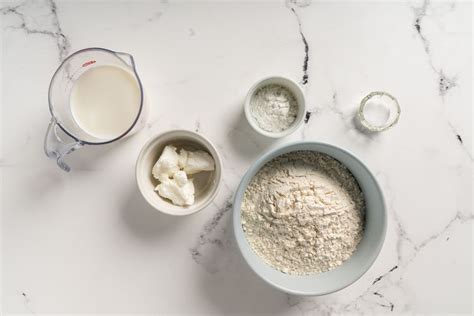
Start with a good quality, unbleached all-purpose flour, or better yet, a soft winter wheat flour if you can find it, as its lower protein content leads to a more tender crumb. Combine your dry ingredients (flour, baking powder, baking soda, salt) thoroughly. Next, cut in your chilled lard. You want pea-sized crumbs, with some larger, bean-sized pieces still visible. This textural variation is key to flaky layers. Use a pastry blender, two knives, or even your fingertips, but work quickly to prevent the lard from warming.

The Buttermilk Touch and Gentle Hand
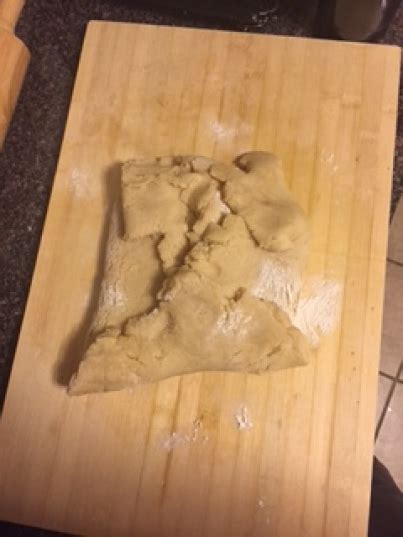
Buttermilk is the preferred liquid for biscuits for a reason. Its acidity reacts with baking soda to create more lift, and it tenderizes the gluten in the flour. Add the buttermilk gradually, mixing just until the dough comes together. The goal is a shaggy, slightly sticky dough – resist the urge to add more flour if it feels too wet. Overworking the dough is the death knell for fluffy biscuits; it develops gluten, making them tough. A gentle hand is your best friend here.
Folding and Cutting for Optimal Layers
Once your dough is formed, turn it out onto a lightly floured surface. Instead of just rolling it out once, incorporate a few gentle folds. Roll the dough into a rectangle, then fold it into thirds (like a letter), rotate, and gently roll it out again. Repeat this 2-3 times. This creates additional layers without overworking the dough. When cutting, use a sharp biscuit cutter and press straight down – do not twist! Twisting seals the edges, preventing the biscuits from rising evenly.

Baking to Golden Perfection
Preheat your oven to a high temperature, typically 425-450°F (220-230°C). A hot oven helps the biscuits rise quickly and creates a beautiful golden crust. Place biscuits close together on a baking sheet for softer sides, or spaced further apart for crispier edges. Bake for 12-18 minutes, or until golden brown on top and bottom. Serve immediately with butter, jam, or gravy for an unforgettable homemade treat.

Embrace the Lard, Embrace the Fluff
Making fluffy homemade biscuits with lard from scratch is a rewarding endeavor that connects you to generations of home bakers. By focusing on cold ingredients, gentle handling, proper folding, and a hot oven, you’ll unlock the secrets to biscuits that are tender, flaky, and unbelievably light. Don’t be afraid to experiment, and soon you’ll be baking biscuits so good, they’ll become a cherished family tradition.