



Best ways to involve kids in real food gardening & cooking for family meals?

Cultivating Healthy Habits: Involving Kids in Real Food Gardening and Cooking
Engaging children in the journey of food, from soil to plate, offers a wealth of benefits that extend far beyond simply getting them to eat their vegetables. It fosters a deeper appreciation for where food comes from, teaches valuable life skills, promotes healthier eating habits, and creates invaluable family bonding opportunities. In an age where processed foods dominate, empowering kids to connect with real food through gardening and cooking is more important than ever.
Starting Small: The Joys of Kid-Friendly Gardening
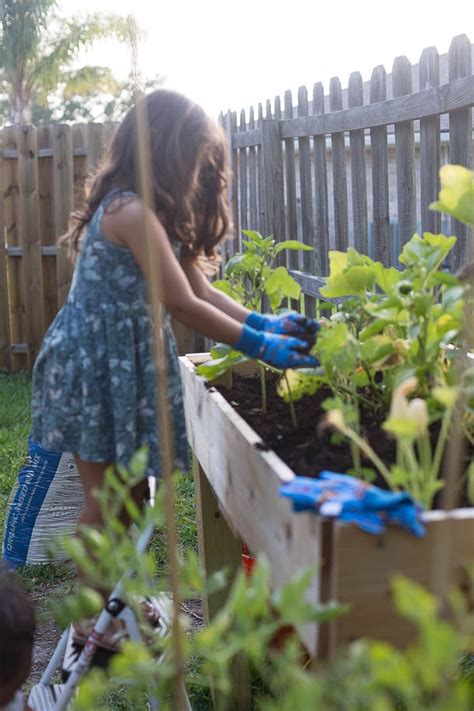
The garden is a magical classroom for children. Begin by choosing plants that are easy to grow and yield quick results, like radishes, cherry tomatoes, snap peas, or herbs. Give children their own small plot or designated container, along with child-sized tools, to foster a sense of ownership. Involve them in every step: preparing the soil, planting seeds or seedlings, watering, and monitoring growth. The excitement of discovery, whether it’s finding a plump tomato or pulling a carrot from the earth, is an unparalleled teaching moment.

Talk about the plants, the insects, and the process. Let them get their hands dirty – literally! This sensory experience is crucial for their development and curiosity. Even if you don’t have a large garden, a few pots on a balcony or a window box can provide a rewarding experience for little green thumbs.
From Harvest to Kitchen: Simple Prep Tasks
Once the harvest begins, bring the bounty indoors and involve your children in the initial preparation. Simple tasks like washing vegetables, tearing lettuce for salads, snapping beans, or shelling peas are perfect for younger children. Older kids can help with peeling, deseeding, or even carefully chopping softer produce with supervision. This stage teaches them about cleanliness, the different textures and smells of fresh ingredients, and the satisfaction of preparing something they’ve grown themselves.

Discuss the colors, shapes, and nutritional benefits of each item. This direct interaction helps demystify food and makes them more likely to try new things, especially if they’ve had a hand in growing them.
Cooking Up Delicious Family Meals Together
Moving into the kitchen, assign age-appropriate tasks that build confidence and skills. Younger children can stir ingredients, measure liquids and dry goods, whisk eggs, or add toppings. As they grow, introduce them to more complex tasks like kneading dough, forming meatballs, or following simple recipes. Always prioritize safety, teaching them about knife skills, stove safety, and proper handwashing techniques.

Let them choose a recipe occasionally or select an ingredient to feature. Empowering them with choices makes them more invested in the meal. Cooking together isn’t just about the end product; it’s about the process, the conversation, and the shared experience. It’s a wonderful way to teach basic math (measuring), chemistry (baking reactions), and cultural awareness (exploring different cuisines).
Making Mealtime a Cherished Family Event
The culmination of their efforts is enjoying the meal together. Encourage children to help set the table, serve the food, and participate in post-meal cleanup. At the table, acknowledge their contributions to the meal, highlighting what they grew or helped prepare. This positive reinforcement boosts their self-esteem and connects their effort directly to the delicious outcome.

Involving kids in the entire food cycle naturally reduces picky eating as they are more likely to try foods they’ve invested time and effort in. It transforms mealtime from a potential battleground into a celebration of their hard work and family togetherness. These shared moments around food become cherished memories, laying the groundwork for a lifetime of healthy eating habits and family traditions.
The Lasting Impact: Fostering a Love for Real Food
By integrating children into real food gardening and cooking, families are doing more than just feeding themselves; they are nurturing curiosity, teaching essential life skills, building confidence, and fostering a deep respect for nature and nutrition. These experiences sow the seeds for a healthier future, instilling a love for wholesome food and the joy of creating delicious meals together. The benefits ripple through their physical health, emotional well-being, and overall development, making it one of the most rewarding investments a family can make.