




How to keep homemade bread crust crisp without drying out the crumb?

The Science Behind a Perfect Crust and Moist Crumb
Achieving that coveted crisp crust on your homemade bread, while keeping the interior crumb wonderfully soft and moist, is a hallmark of skilled baking. It’s a balance of heat, steam, and proper handling. Many home bakers struggle with crusts that soften too quickly or crumbs that dry out. Understanding the principles behind crust formation and moisture retention is key to enjoying bakery-quality bread at home, every time.

Mastering the Bake: Steam and Temperature
Utilizing Steam for a Superior Crust
Steam is your best friend when it comes to developing a thin, crisp, and beautifully browned crust. In the initial phase of baking, steam prevents the crust from setting too quickly, allowing the bread to expand fully (oven spring) and creating a more delicate, blistered surface. Without adequate steam, the crust forms prematurely, becoming thick and tough.
- Water Pan Method: Place a tray of hot water on the bottom rack of your oven as it preheats. Remove it after 15-20 minutes of baking.
- Spraying Method: Spray the inside of your oven with water a few times during the first 10 minutes of baking (be quick to avoid losing too much heat).
- Dutch Oven Baking: This method naturally traps steam, creating an ideal environment for crust development. Bake covered for the first half, then uncovered to finish browning.
Optimal Baking Temperatures
Baking at a high initial temperature (often 450-500°F / 230-260°C) helps achieve a rapid oven spring and sets the crust quickly. After the initial phase and steam application, the temperature is often reduced (e.g., to 375-400°F / 190-200°C) to allow the interior to cook thoroughly without over-browning the crust. Always bake until the internal temperature reaches 200-210°F (93-99°C) for a fully cooked loaf.
The Crucial Cooling Process
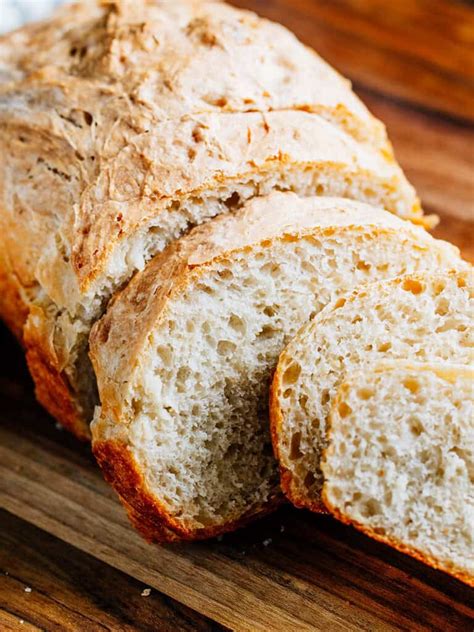
Once your bread comes out of the oven, the cooling process is just as important as the baking itself. Resist the urge to slice into it immediately! Bread continues to cook as it cools, and moisture redistributes within the loaf. Placing hot bread on a solid surface will trap steam, leading to a soggy bottom crust.
- Wire Rack is Essential: Always cool bread completely on a wire rack, allowing air to circulate around all sides. This prevents condensation and helps maintain crispness.
- Patience Pays Off: Allow smaller loaves to cool for at least 1-2 hours, and larger loaves for 2-4 hours, or even longer for very dense breads. Slicing too soon will release steam, drying out the crumb and making it gummy.

Smart Storage Solutions for Crust and Crumb
How you store your bread directly impacts the longevity of its crisp crust and moist crumb. No single method is perfect for all types of bread or desired shelf life, but here are the best practices:
- Short-Term (1-2 days): Paper Bag or Loosely Wrapped: For truly crisp crusts, a paper bag allows air circulation while protecting the bread. If the air is very dry, a loose wrap in a clean kitchen towel can offer a bit more protection against drying. Avoid airtight containers and plastic wrap, as they trap moisture and turn the crust soggy.
- Medium-Term (2-4 days): Bread Box: A dedicated bread box (wooden or metal) provides an ideal environment, balancing air circulation with moisture retention. It helps keep the crust relatively crisp for longer than plastic, but not as crisp as a paper bag.
- Long-Term (Weeks/Months): Freezing: For anything longer than a few days, freezing is the best option.
- Allow bread to cool completely.
- Wrap tightly in plastic wrap, then an additional layer of aluminum foil or a freezer bag.
- To serve, thaw at room temperature, then refresh the crust in a hot oven (350°F/175°C) for 5-10 minutes, or until crisp.
- Avoid the Refrigerator: Refrigeration speeds up the staling process, making bread dry and crumbly faster than leaving it at room temperature.

Reviving a Softened Crust
Even with the best storage, a homemade bread crust can lose some of its crispness over time. Fortunately, it’s often easy to revive:
- Oven Refresh: Preheat your oven to 350-375°F (175-190°C). Place the whole or halved loaf directly on the oven rack for 5-10 minutes, or until the crust is crisp again. This also warms the interior.
- Toaster Oven: Smaller slices or rolls can be refreshed in a toaster oven.
- Grill: A hot grill can also work wonders for reviving slices, adding a nice char.

Conclusion
Maintaining a perfect balance between a crisp crust and a moist, tender crumb is an art perfected through practice and attention to detail. By incorporating steam into your baking process, ensuring proper cooling on a wire rack, and choosing smart storage solutions, you can significantly prolong the enjoyment of your homemade bread. Don’t be afraid to experiment with these techniques, and you’ll soon be consistently turning out loaves that are a delight to both the eyes and the palate.