



How to start a no-dig garden for busy beginners?

Are you dreaming of fresh produce right outside your door but daunted by the thought of hours spent digging, weeding, and toiling? For busy beginners, especially those embracing country living, the no-dig gardening method offers a revolutionary, time-saving solution. This approach prioritizes soil health, minimizes effort, and maximizes yield, making it ideal for anyone short on time but rich in gardening aspirations.
What is No-Dig Gardening?
At its core, no-dig gardening is about working with nature, not against it. Instead of tilling or digging the soil, which can disrupt its delicate structure and destroy beneficial microorganisms, you build layers of organic matter directly on top of the existing ground. This method mimics the natural processes of a forest floor, where leaves and debris accumulate to create rich, fertile soil over time. The result is healthier soil, fewer weeds, and a vibrant garden that practically takes care of itself.

Why No-Dig is Perfect for Busy Beginners
The benefits for time-strapped individuals are manifold. Firstly, greatly reduced weeding is a major draw; the initial layers suppress weeds, and the healthy soil makes any stragglers easy to pull. Secondly, no-dig gardens improve soil structure and fertility over time, leading to healthier plants that are more resistant to pests and diseases, requiring less intervention. Thirdly, they conserve moisture more effectively, meaning less frequent watering. All these factors combine to free up precious hours that would otherwise be spent on intensive garden maintenance.
Gathering Your Essential Materials
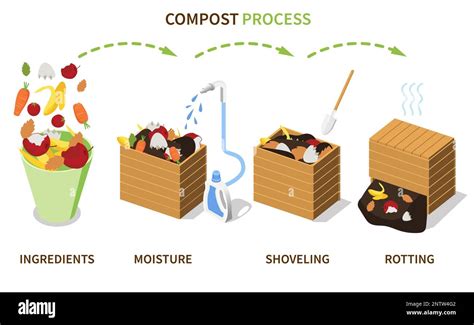
Starting a no-dig garden requires a few key components, most of which are easily sourced. You’ll need a significant amount of carbon-rich material like overlapping sheets of old cardboard (remove all tape and labels) to create your base layer. For the bulk of your garden, you’ll need quality organic compost – a mix of mushroom compost, spent hops, or your own homemade compost works wonderfully. Finally, a good layer of organic mulch, such as straw, wood chips, or leaves, will be essential for moisture retention and weed suppression.
Step-by-Step: Creating Your First No-Dig Bed
1. Choose Your Site
Select a sunny spot that receives at least 6-8 hours of direct sunlight per day. While no-dig can be done on any surface, starting on a relatively flat area makes it easier. Define the boundaries of your bed – simple paths around it can help keep things tidy.
2. Lay the Cardboard Base
Cover the entire area of your new bed with a thick layer of flattened cardboard. Overlap the edges significantly (at least 6 inches) to prevent weeds from peeking through. Wet the cardboard thoroughly to help it settle and begin to break down, forming an impenetrable barrier to grass and weeds.

3. Pile on the Compost
This is where the magic happens! Spread a generous layer of high-quality compost, at least 6-12 inches deep, directly on top of the wet cardboard. This layer will be what your plants grow in, so ensure it’s rich and fluffy. You can add other organic materials in thinner layers below the main compost, such as aged manure or leaf mold, but the top layer must be nutrient-rich compost.
4. Top with Mulch
Once your compost is in place, add a 2-4 inch layer of organic mulch. Straw is excellent for vegetable gardens as it breaks down relatively quickly and adds nutrients. Wood chips are better for pathways or around perennial plants. This mulch layer helps retain moisture, regulate soil temperature, and further suppresses weeds.
What to Plant in Your No-Dig Garden
For busy beginners, start with easy-to-grow vegetables and herbs. Consider leafy greens like lettuce, spinach, and Swiss chard, which offer continuous harvests. Root vegetables such as radishes and carrots (choose shorter varieties for initial beds) also thrive. Bush beans, peas, and cherry tomatoes are generally resilient and productive. Herbs like basil, mint, and parsley are excellent for small spaces and constant use.
Maintaining Your Low-Effort Oasis
The beauty of a no-dig garden is its minimal maintenance. Water regularly, especially in dry spells, but you’ll find it retains moisture better than tilled soil. As plants grow and you harvest, simply top up your beds with a fresh layer of compost (1-2 inches) once or twice a year. This continuous feeding of the soil eliminates the need for chemical fertilizers and keeps your garden productive for seasons to come. Weed by hand as needed – usually, they will be very few and pull out with ease.

Embrace the Simplicity
Starting a no-dig garden is an incredibly rewarding endeavor, especially for those with a busy lifestyle. It simplifies gardening, allows you to connect with nature without the back-breaking labor, and provides a sustainable way to enjoy fresh, homegrown food. Begin small, experiment with what grows well in your area, and watch your country living dreams blossom with minimal fuss.