


How to encourage picky eaters to love homegrown, real food without a fight?

Turning Fussy Eaters into Foodie Adventurers
For many parents, the dream of a child enthusiastically munching on fresh, homegrown vegetables feels like a distant fantasy. When faced with a picky eater, mealtime can quickly devolve into a battlefield, especially when you’re trying to introduce wholesome, real food you’ve lovingly cultivated. The good news is that encouraging a love for nutritious, homegrown fare doesn’t have to be a struggle. With a bit of creativity, patience, and a few strategic approaches, you can transform mealtime from a source of conflict into an opportunity for discovery and enjoyment.

Involve Them from Seed to Plate
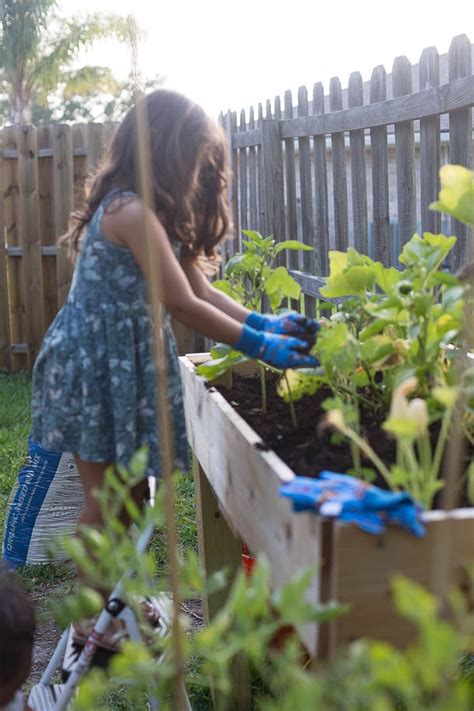
One of the most powerful tools in your arsenal is involvement. Children are far more likely to try and enjoy food they’ve had a hand in creating. This can start long before the food even reaches the kitchen. If you have a garden, invite your child to help plant seeds, water sprouts, and harvest ripe produce. Even a small container garden on a balcony can provide this experience. Let them pick out seeds for vegetables they might be curious about. When it’s time to cook, assign age-appropriate tasks: washing vegetables, tearing lettuce, stirring ingredients, or setting the table. This sense of ownership and contribution can dramatically shift their perception of the food.
Make Food Fun and Approachable
Presentation matters, especially for young children. Think beyond the ordinary. Cut vegetables into fun shapes using cookie cutters. Arrange food on the plate to create a “face” or a “rainbow.” Give playful names to dishes, like “Superhero Spinach Smoothie” or “Tiny Tree Broccoli Forest.” Offer a variety of colors and textures. Sometimes, simply presenting a dip (like hummus or a yogurt dip) alongside raw veggies can make them more appealing. The goal isn’t to hide vegetables, but to make them visually interesting and less intimidating.

Empower Through Choice, Within Limits
Children crave autonomy, and offering choices can significantly reduce resistance. Instead of asking “Do you want broccoli?”, try “Would you like broccoli or carrots with dinner tonight?” Offer two healthy options, letting them decide which one they prefer. You can also involve them in menu planning by letting them choose one vegetable for the week from a pre-selected list of homegrown options. This gives them a sense of control over their meals without compromising on nutritional value.

Patience, Persistence, and No Pressure
It can take multiple exposures—sometimes 10 to 15 or even more—for a child to accept a new food. Don’t give up after the first refusal. Keep offering small, non-pressured portions of new foods alongside familiar favorites. Avoid making mealtime a battleground. If a child refuses a food, calmly remove it without comment or offering alternatives. The “one-bite rule” can work for some, but for others, it creates more pressure. Focus on creating a positive atmosphere around food, rather than forcing consumption. Model good eating habits yourself; children are keen observers.

Lead by Example and Celebrate Small Victories
Your enthusiasm for healthy, homegrown food is contagious. Let your children see you enjoying a wide variety of fruits and vegetables. Talk about how delicious and fresh they are. Involve them in conversations about where food comes from and how it helps their bodies grow strong. Celebrate every small victory – a taste of a new vegetable, even a lick, is progress. Positive reinforcement goes a long way in building a healthy relationship with food.

Cultivating a Lifetime of Healthy Eating
Encouraging picky eaters to embrace homegrown, real food is a journey, not a sprint. It requires patience, consistency, and a playful approach. By involving them in the process, making food fun, offering choices, and maintaining a positive, pressure-free environment, you can gently guide your children toward a lifelong appreciation for nutritious, wholesome foods. The seeds you plant today, both in the garden and at the dinner table, will help them grow into confident, healthy eaters.