




Easy ways to preserve summer garden bounty without canning?

Unlock the Flavors of Summer Year-Round Without Canning
Summer gardens are a delight, but the sheer volume of fresh produce can sometimes feel overwhelming. Before you resort to giving away your entire harvest or letting it spoil, consider the many easy and delicious ways to preserve your bounty without the often-intimidating process of traditional canning. These methods are simple, require minimal special equipment, and ensure you can enjoy the taste of summer long after the season ends.

Freezing for Freshness and Convenience
Freezing is arguably the easiest and most versatile method for preserving summer produce. It locks in nutrients and flavor, making it perfect for everything from delicate berries to hearty vegetables and aromatic herbs.
- Berries: Simply wash, pat dry, and spread in a single layer on a baking sheet to freeze. Once solid, transfer to freezer bags. This prevents them from clumping together.
- Vegetables: Most vegetables (like corn, green beans, peas, broccoli, cauliflower) benefit from blanching before freezing. Briefly immerse them in boiling water, then plunge into ice water to stop the cooking process. Drain thoroughly, pat dry, and freeze in suitable containers or bags.
- Herbs: Chop fresh herbs, mix with a little olive oil or water, and freeze in ice cube trays. Once frozen, transfer the cubes to a freezer bag for easy access to flavor bursts in soups and stews.
Dehydrating for Concentrated Flavor and Long Storage
Dehydration removes moisture, concentrating flavors and extending shelf life significantly. It’s excellent for fruits, herbs, and even some vegetables. A food dehydrator makes this process simple, but a low oven setting can also work if carefully monitored.
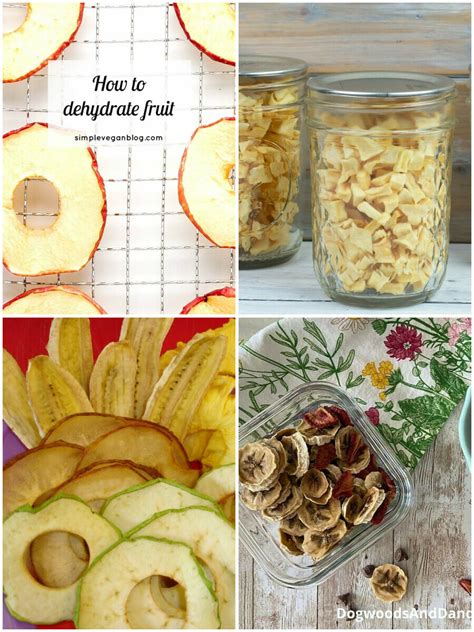
- Fruits: Thinly slice apples, pears, peaches, or berries. Spread them on dehydrator trays or baking sheets lined with parchment paper. Dehydrate until leathery but pliable. Dried fruit makes a fantastic snack or addition to granola.
- Herbs: Wash herbs, pat dry, and remove leaves from stems. Spread them in a single layer. Dehydrate until brittle, then crumble and store in airtight jars away from direct light.
- Vegetables: Thinly slice tomatoes, zucchini, or bell peppers. Dehydrate until crisp. These can be rehydrated later for soups, stews, or ground into powders for seasoning.
Fermentation for Tangy, Probiotic-Rich Delights
Fermentation not only preserves but also adds beneficial probiotics and unique, complex flavors to your produce. It’s surprisingly simple to start with basic ingredients and a clean jar.
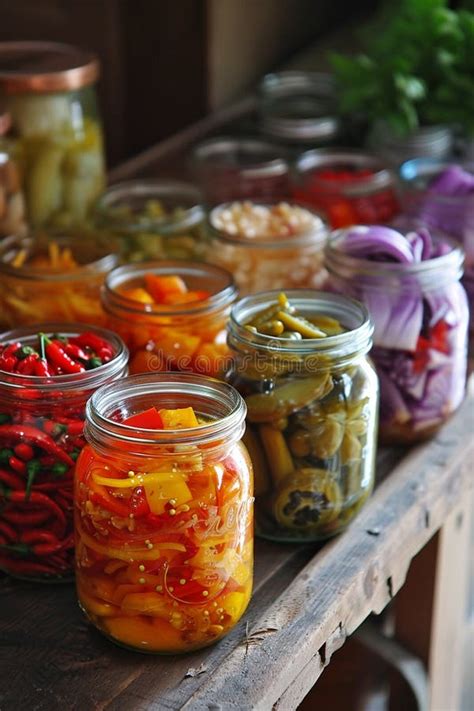
- Lacto-Fermented Vegetables: Cucumbers for pickles, cabbage for sauerkraut, or various mixed vegetables can be fermented in a simple brine of salt and water. The process typically takes several days to a few weeks, resulting in tangy, crunchy preserves that are excellent for gut health.
Infused Oils and Vinegars for Gourmet Touches
Elevate your culinary creations by infusing oils and vinegars with the vibrant flavors of summer herbs and peppers. These make fantastic additions to dressings, marinades, and everyday cooking.
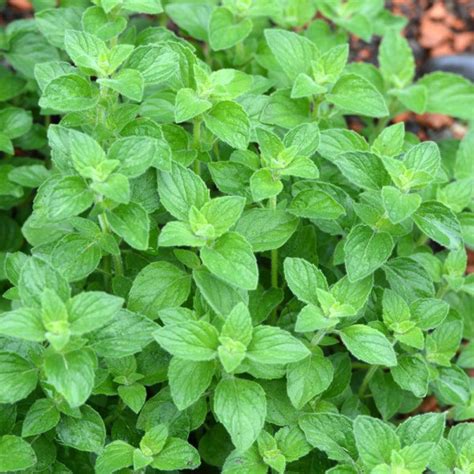
- Herb-Infused Olive Oil: Gently heat fresh, dry herbs (like rosemary, thyme, oregano) in olive oil. Let it cool completely, then strain and bottle. Store in the refrigerator and use within a few weeks. Important Safety Note: For long-term storage or room temperature use, specific acidification is required to prevent botulism. Always refrigerate homemade infused oils and consume quickly.
- Fruit or Herb-Infused Vinegar: Steep berries, sliced peaches, or herbs in white wine vinegar or apple cider vinegar for a week or two. Strain and bottle. These make wonderful salad dressings or marinades.
Simple Sauces, Pastes, and Jams (Freezer Friendly)
While traditional canning involves pressure or water baths, many delicious sauces, pastes, and jams can be made and simply frozen for later use, offering convenience without the complexity.
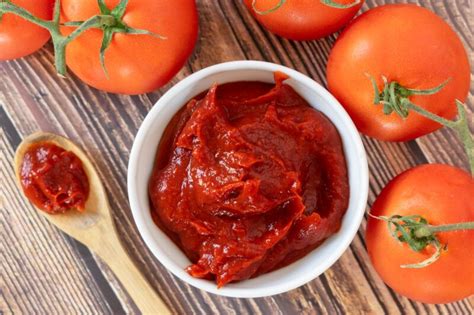
- Tomato Sauce/Paste: Cook down garden tomatoes with herbs until thick. Portion into freezer-safe containers or bags for quick weeknight meals.
- Pesto: Blend fresh basil, pine nuts (or walnuts), garlic, Parmesan cheese, and olive oil. Freeze in ice cube trays or small containers. Once frozen, transfer cubes to a freezer bag.
- Berry Jam (Freezer Jam): Combine crushed berries with sugar and pectin according to a freezer jam recipe. Store directly in freezer-safe containers in the freezer, ready to thaw and enjoy on toast or yogurt.
Conclusion
Preserving your summer garden bounty doesn’t have to be a daunting task involving complex canning equipment. With simple, accessible methods like freezing, dehydrating, fermenting, and making fresh sauces or infusions, you can easily extend the life and flavor of your harvest. Experiment with these techniques to find your favorites, and enjoy the vibrant taste of summer throughout the year, straight from your garden to your plate.