

What recipe testing BTS (failures, iterations) best deepens trust in your real food stories?

The Unseen Journey: Why Transparency in Recipe Development Matters
In the polished world of food blogging and online recipes, it’s easy to present a perfect plate, a flawless outcome. But behind every delectable dish lies a story far more complex and often, far more interesting: the journey of recipe testing. This isn’t just about mixing ingredients; it’s a culinary expedition fraught with trial, error, and eventual triumph. For creators of ‘real food stories,’ revealing the ‘Behind the Scenes’ (BTS) – especially the failures and iterations – is not just good practice; it’s a powerful tool for deepening trust with your audience.
The modern food enthusiast is savvy. They crave authenticity beyond the glossy final shot. They want to understand the process, the effort, and even the mishaps that lead to culinary success. This desire for genuine connection is where the magic of BTS transparency truly shines.

Embracing the Failed Attempt: The Foundation of Relatability
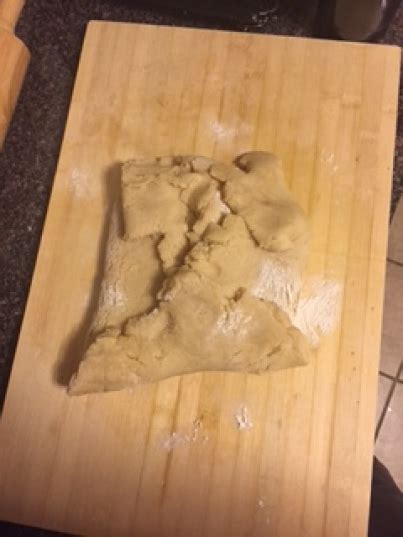
No one gets it right on the first try, especially in the kitchen. A burnt crust, an undercooked center, a flavor profile that just doesn’t sing – these are the realities of recipe development. When food creators bravely share these ‘failures,’ they do more than just show a misstep; they humanize their craft. They demonstrate that they are real people facing real challenges, just like their audience might in their own kitchens. This relatability is a cornerstone of trust.
Instead of meticulously curating a narrative of effortless perfection, showing a failed cake or a soupy soup fosters empathy. It tells your audience, “I’ve been there too,” creating an instant bond. This vulnerability transforms a passive reader into an engaged participant, invested not just in the recipe, but in your journey as a creator.
The Iteration Station: Documenting the Path to Perfection
Beyond outright failures, the iterative process – the small tweaks, substitutions, and refinements – is equally compelling. Documenting how you adjusted the spice blend, switched a cooking method, or experimented with different types of flour provides invaluable insights. It pulls back the curtain, allowing your audience to see the thought process, the decision-making, and the scientific method applied to cooking.
This journey of iteration educates as much as it entertains. It teaches your audience about ingredient properties, flavor balancing, and cooking techniques in a practical, story-driven way. When they see the progression from a good idea to a great recipe, they appreciate the final product far more, knowing the effort and expertise poured into it.

Deepening Trust Through Radical Transparency
The cumulative effect of sharing both failures and iterations is a profound deepening of trust. When your audience understands the rigorous testing and thoughtful refinement behind your recipes, they perceive your ‘real food stories’ as reliable and credible. They trust that your recommended recipes will work in their homes because they’ve witnessed your commitment to getting it right.
This transparency also establishes you as an authority, not just someone who cooks, but someone who understands the nuances of food creation. It shows dedication to your craft and respect for your audience’s time and effort in replicating your dishes. In an era where information overload is common, being a trustworthy source is invaluable.
Practical Ways to Weave BTS into Your Stories
Integrating BTS into your real food stories doesn’t require a Hollywood production. Simple methods can be incredibly effective:
- Process Photos/Videos: Snap pictures of different stages, even the messy ones. A short video clip of an adjustment or a quick ‘oops’ moment can be highly engaging.
- Behind-the-Scenes Blog Posts: Dedicate a section of your blog or a separate post to the ‘making of’ a recipe, detailing your journey.
- Social Media Stories: Use Instagram or Facebook Stories to share real-time updates, challenges, and mini-victories during testing.
- Detailed Notes: Include a small section in your final recipe post outlining the key decisions and iterations made.
- Engage with Questions: If someone asks about an ingredient swap or a cooking time, share your testing experience and why you landed on the final recommendation.

The Power of Authenticity in Food Storytelling
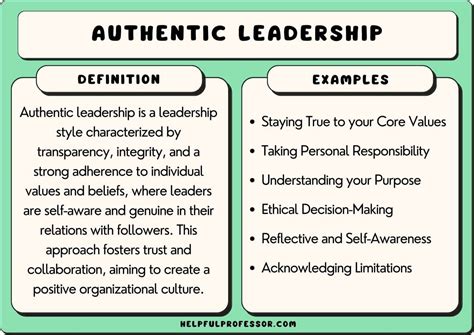
Ultimately, the most effective way to deepen trust in your real food stories is through authenticity. By openly sharing the failures and the intricate dance of iterations involved in recipe testing, you create a narrative that is not only believable but also deeply human and inspiring. You move beyond merely providing a recipe to sharing a true culinary journey, inviting your audience to be a part of your process and, in doing so, forging a loyal, trusting community around your passion for food.