


Best ways to pack homemade snacks for a healthy road trip without refrigeration?

Embarking on a road trip offers freedom and adventure, but it often comes with the challenge of maintaining healthy eating habits. Fast food and gas station snacks can be tempting, but packing your own homemade goodies ensures you stay energized and nourished without compromising your health goals. The key is knowing how to select and pack snacks that remain fresh and safe without the constant need for refrigeration.
Why Homemade Snacks Are Your Road Trip MVPs
Opting for homemade snacks over store-bought alternatives gives you complete control over ingredients, allowing you to avoid excessive sugars, unhealthy fats, and artificial additives. They are often more cost-effective and can be tailored to specific dietary needs or preferences. The trick to a successful healthy road trip lies in selecting foods that are naturally stable at room temperature and packing them intelligently to maximize their shelf life.
Selecting Your Shelf-Stable Snack Champions
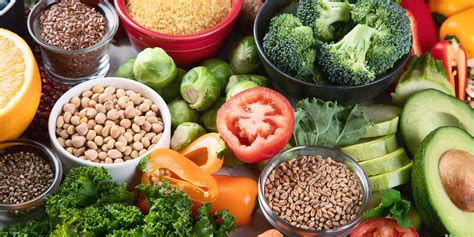
The foundation of no-refrigeration road trip snacking is choosing the right ingredients. Focus on items with low moisture content and natural preservatives. Here are some top picks:
- Dried Fruits and Nuts: Raisins, apricots, cranberries, almonds, walnuts, and cashews are nutrient-dense and highly portable. Trail mix (homemade to control sugar) is a classic for a reason.
- Homemade Granola Bars or Energy Bites: Made with oats, nuts, seeds, dried fruit, and a binder like honey or nut butter, these are fantastic energy boosters. Ensure they are baked thoroughly to reduce moisture.
- Whole-Grain Crackers and Rice Cakes: Pair these with shelf-stable spreads like individual packets of nut butter or small portions of olive tapenade.
- Roasted Chickpeas or Edamame: Crispy and savory, these legumes offer protein and fiber without needing a chill.
- Seed Butters (in individual packets or small jars): Almond, peanut, or sunflower seed butters provide healthy fats and protein and are incredibly versatile.
- Baked Goods: Muffins, loaves, or cookies made with whole grains and minimal dairy/eggs tend to hold up well for a day or two, especially if they are fruit-based rather than cream-filled.
- Beef Jerky or Plant-Based Jerky: A great source of protein, ensure they are high-quality and low in added sugars and sodium.

Mastering the Art of Packing Without a Cooler
Effective packing is just as crucial as snack selection. Your goal is to protect your food from heat, moisture, and crushing.
- Airtight Containers: Use sturdy, airtight containers for items like granola, nuts, and crackers to prevent them from going stale or absorbing moisture. Glass or BPA-free plastic containers work best.
- Reusable Ziploc Bags: Ideal for individual portions of dried fruit or homemade cookies, these save space and keep items separate.
- Insulated Bags (Non-Cooler): While not a cooler, a good insulated lunch bag can provide an extra layer of protection against temperature fluctuations, especially if you’re briefly in and out of the car. Place it on the floor or in the shade, away from direct sunlight.
- Avoid Direct Sunlight: Never leave your snack bag on the dashboard or in direct sunlight. The car’s interior can heat up rapidly, spoiling even shelf-stable items more quickly. Keep your snack stash in the coolest part of the car, often the floorboards or under a seat.
- Separate Odorous Items: If you have something with a strong smell (like certain jerkies), pack it separately to prevent its odor from permeating other snacks.

Essential Food Safety Tips for the Open Road
Even with shelf-stable items, good hygiene and awareness are paramount to prevent foodborne illness.
- Wash Your Hands: Always wash or sanitize your hands before handling food. Keep a small bottle of hand sanitizer easily accessible.
- Pack Dry and Low-Moisture Items: These are less prone to bacterial growth. Avoid anything with high moisture content like fresh cut fruit (unless consumed immediately), soft cheeses, or deli meats that are not specifically shelf-stable.
- Pre-Portion: Portioning snacks before you leave reduces the need to repeatedly open and close larger containers, minimizing exposure to air and contaminants.
- Check for Spoilage: Before eating, quickly check snacks for any unusual smells, textures, or mold, especially if they’ve been in the car for a while. When in doubt, throw it out.
Hydration and Other Smart Habits
Don’t forget the importance of hydration. Pack reusable water bottles and refill them whenever possible. Staying hydrated helps you feel full, energized, and reduces the temptation for sugary drinks. Also, carry a small trash bag to dispose of wrappers and crumbs responsibly, keeping your car clean and tidy throughout your journey.

Conclusion
A healthy road trip doesn’t require a refrigerated cooler or constant stops at convenience stores. By thoughtfully choosing shelf-stable homemade snacks and employing smart packing strategies, you can enjoy nutritious, delicious food that keeps you fueled and feeling great from start to finish. Happy trails!