



What’s the safest method for home canning garden tomatoes?

Introduction: Preserving Your Tomato Harvest Safely
There’s nothing quite like the taste of homegrown tomatoes, and preserving that flavor to enjoy year-round is a rewarding endeavor. Home canning allows you to extend the bounty of your garden, but it’s crucial to follow tested methods to ensure the safety and quality of your canned goods. For tomatoes, understanding acidity and choosing the correct canning method are paramount to preventing foodborne illnesses.
Understanding Tomato Acidity and Food Safety
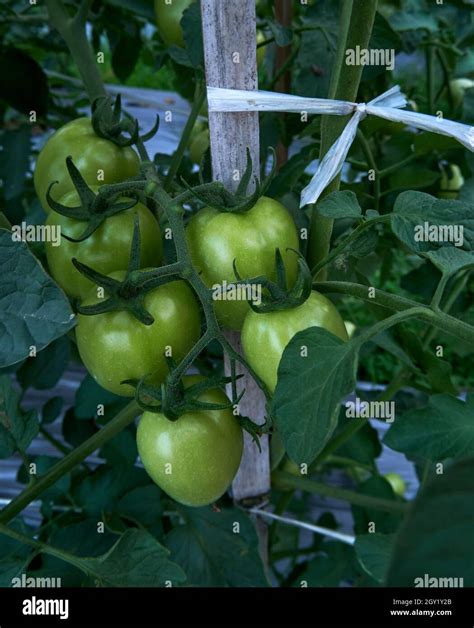
Tomatoes are unique in the canning world because their acidity can vary significantly. While often considered high-acid, some varieties, especially heirlooms or overripe tomatoes, can have borderline pH levels. Low-acid foods, with a pH higher than 4.6, require pressure canning to destroy Clostridium botulinum spores, which can cause botulism, a serious foodborne illness. High-acid foods (pH 4.6 or lower) can be safely processed in a boiling water bath.
To ensure safety when water bath canning tomatoes, it’s essential to acidify them. This is typically done by adding bottled lemon juice, citric acid, or vinegar to each jar. For every quart of tomatoes, add two tablespoons of bottled lemon juice or half a teaspoon of citric acid. For pints, use one tablespoon of bottled lemon juice or a quarter teaspoon of citric acid. Do not use fresh lemon juice, as its acidity can vary.
Method 1: Boiling Water Bath Canning (Safest for Acidified Tomatoes)
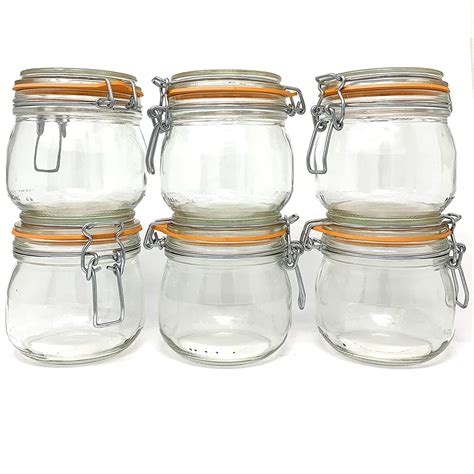
The boiling water bath method is the most common and generally recommended approach for canning properly acidified tomatoes. This method involves submerging sealed jars in boiling water for a specified period, effectively killing spoilage organisms and creating a vacuum seal.
Steps for Water Bath Canning Tomatoes:
- Preparation: Wash tomatoes thoroughly. You can can them whole, halved, quartered, or as crushed tomatoes. Many recipes call for blanching and peeling tomatoes for better texture. Prepare your canning jars by washing them in hot, soapy water and keeping them hot (but not necessarily sterilized if processing for 10+ minutes). Use new lids and clean rings.
- Acidification: Add the required amount of bottled lemon juice or citric acid to each jar before filling with tomatoes.
- Packing Jars: Hot pack (heating tomatoes first) or raw pack (packing raw tomatoes into jars) are both options. Hot packing often yields a better-packed jar with less floating. Leave appropriate headspace (usually 1/2 inch for tomatoes). Add salt if desired, for flavor only, not for preservation.
- Removing Air Bubbles: Use a non-metallic utensil to gently remove air bubbles from around the tomatoes. Adjust headspace if necessary.
- Wipe Rims and Seal: Wipe jar rims clean with a damp cloth, place lids, and secure with screw bands finger-tight.
- Process in Water Bath: Carefully lower jars into a boiling water canner, ensuring they are covered by at least 1-2 inches of water. Bring water to a rolling boil and process for the time specified by a tested recipe, adjusting for altitude.
- Cooling and Checking Seals: After processing, remove jars and place them on a towel-lined surface, undisturbed for 12-24 hours. Check seals: lids should be concave and not flex when pressed.

Method 2: Pressure Canning (For Non-Acidified Tomatoes or Mixtures)
While most home canners prefer water bathing for acidified tomatoes, pressure canning is the only safe method for canning tomatoes without added acid, or for mixtures containing low-acid vegetables (like corn, green beans, or carrots). Pressure canning reaches higher temperatures (240°F/116°C or higher), which is necessary to destroy botulism spores in low-acid environments.
When to use Pressure Canning for Tomatoes:
- If you choose not to acidify your tomatoes.
- When canning tomato sauces or mixtures that include low-acid ingredients (e.g., salsa, spaghetti sauce with meat or vegetables).
- For specific low-acid tomato varieties if you’re not adding acid.
Pressure canning requires a specific pressure canner (not a pressure cooker) and careful adherence to instructions for venting, processing pressure, and time. Always consult a USDA-approved canning guide for precise instructions for your specific recipe and altitude.
Essential Food Safety Practices for All Canning Methods
Regardless of the method you choose, strict adherence to general canning safety practices is non-negotiable:
- Use Tested Recipes: Only use recipes from reputable sources like the National Center for Home Food Preservation (NCHFP), university extension offices, or USDA canning guides.
- Inspect Jars and Lids: Always use canning-specific jars free of nicks or cracks. Use new lids for each canning project.
- Accurate Processing Times: Never shorten processing times. Adjust times for your altitude.
- Proper Headspace: Ensure the correct amount of space between the food and the jar lid for a proper seal.
- Check Seals: After cooling, confirm all jars have sealed properly. If a jar doesn’t seal, refrigerate and consume within a few days or reprocess within 24 hours using a new lid.
- Storage: Store sealed jars in a cool, dark, dry place for up to one year.
- Discarding Suspect Food: If a jar shows signs of spoilage (e.g., bulging lid, mold, off-odor), discard it without tasting.
Conclusion
Canning your garden tomatoes can be a deeply satisfying way to preserve your harvest. By understanding the importance of tomato acidity and meticulously following tested recipes—whether through acidified water bath canning or pressure canning for low-acid preparations—you can confidently enjoy safe, delicious homegrown tomatoes all year long. Always prioritize safety over convenience, and consult reliable resources for every step of the process.