

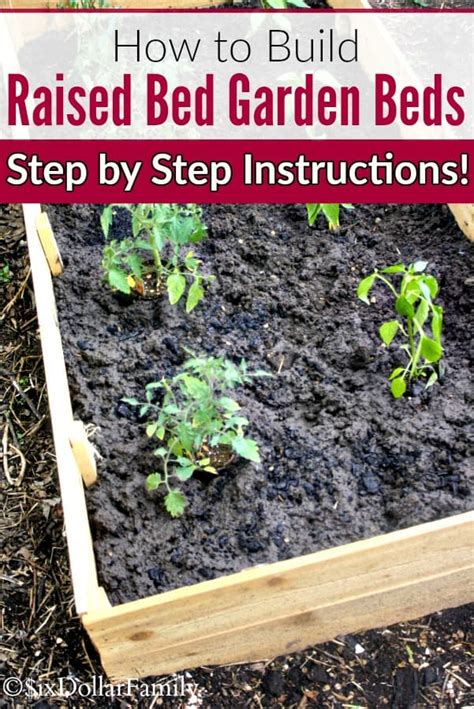
How to safely preserve excess garden tomatoes without a pressure canner?
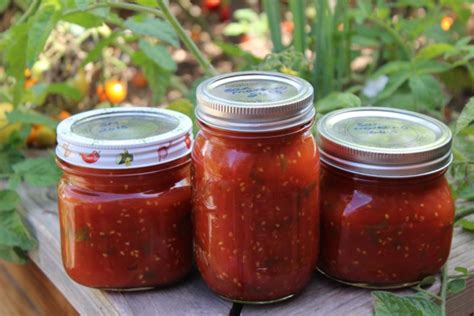
Harvesting Your Bounty: Preserve Tomatoes Simply
The garden is overflowing, and your tomato plants are bursting with ripe, juicy fruit. While a pressure canner is essential for low-acid foods, you absolutely do not need one to safely preserve your glorious tomato harvest. Tomatoes are unique in that they are considered a high-acid food, making them suitable for several simpler preservation methods. From canning to freezing and drying, there are numerous ways to capture that peak summer flavor to enjoy all year long.

Method 1: Water Bath Canning Acidified Tomatoes
Water bath canning is a classic, safe, and effective method for preserving tomatoes. The key to safety lies in ensuring adequate acidity. Even though tomatoes are generally high-acid, their acidity can vary. To be safe, always add acid when water bath canning tomatoes, whether whole, crushed, or as sauce.
Acidification Guidelines:
- For pint jars: Add 1 tablespoon bottled lemon juice or 1/4 teaspoon citric acid.
- For quart jars: Add 2 tablespoons bottled lemon juice or 1/2 teaspoon citric acid.
You can also use vinegar (5% acidity), but it might alter the flavor more significantly. Always use bottled lemon juice or citric acid for reliable acidity levels, not fresh lemon juice, which can vary.
Steps for Water Bath Canning:
- Prepare Tomatoes: Wash tomatoes thoroughly. For whole or halved tomatoes, you can blanch and peel them if desired. For crushed or diced, simply chop.
- Prepare Jars: Sterilize canning jars and lids according to manufacturer instructions.
- Fill Jars: Pack tomatoes into hot jars, leaving 1/2-inch headspace. Add the appropriate amount of lemon juice or citric acid to each jar. Add 1 teaspoon of salt per quart or 1/2 teaspoon per pint if desired for flavor.
- Process: Remove air bubbles, wipe jar rims, and secure lids. Place jars into a boiling water bath canner, ensuring they are covered by at least 1 inch of water. Bring to a rolling boil and process for the recommended time (typically 35-45 minutes for pints, 45-55 minutes for quarts, adjusting for altitude).
- Cool: Carefully remove jars and let them cool undisturbed for 12-24 hours. Check seals, then store in a cool, dark place.

Method 2: Freezing Tomatoes
Freezing is arguably the easiest and least labor-intensive way to preserve tomatoes. It works wonderfully for almost any type of tomato and requires no special equipment beyond freezer-safe containers or bags.
How to Freeze Tomatoes:
- Whole: Wash and remove stems. Place whole tomatoes on a baking sheet in a single layer to freeze solid (this prevents them from sticking together). Once frozen, transfer to freezer bags. The skins will slip off easily under warm water when you’re ready to use them.
- Chopped/Diced: Wash, core, and chop tomatoes into desired pieces. You can blanch and peel them first, or freeze with skins on. Pack into freezer bags or containers, leaving a little headspace.
- Pureed/Sauce: Cook down tomatoes into a puree or simple sauce. Let it cool completely, then freeze in freezer bags, ice cube trays (for small portions), or freezer-safe containers.
Frozen tomatoes are perfect for soups, stews, chilis, and sauces. They generally maintain their flavor and texture well for up to a year.

Method 3: Drying Tomatoes
Drying concentrates the sweet, intense flavor of tomatoes, making them fantastic for salads, pastas, and snacks. You can use a food dehydrator or even the sun if conditions are right.
Using a Dehydrator:
- Prepare: Wash tomatoes and slice them 1/4 to 1/2 inch thick. Small tomatoes can be halved.
- Dehydrate: Arrange slices on dehydrator trays without overlapping. Dehydrate at 135°F (57°C) for 6-12 hours, or until pliable but leathery, with no moisture.
- Cool and Store: Let dried tomatoes cool completely. Store in airtight containers in a cool, dark place, or pack in olive oil (refrigerate oil-packed tomatoes).
Sun-Drying (requires hot, dry climate):
Slice tomatoes and place them on screens raised off the ground. Cover with cheesecloth to protect from insects. Flip daily. This method can take several days to a week and requires consistently hot, dry weather. Bring trays indoors at night to avoid dew.
Method 4: Making and Preserving Tomato Sauce or Paste
Transforming your tomatoes into a ready-to-use sauce or paste is an excellent way to preserve them. You can then freeze or water bath can the finished product.
Steps:
- Cook Down: Wash and chop tomatoes (no need to peel for sauce unless preferred). Cook them down over medium heat until they break down and release their juices.
- Process: Pass the cooked tomatoes through a food mill or blender to achieve your desired consistency. Return the puree to the pot.
- Simmer and Season: Simmer the sauce, stirring occasionally, until it reaches your desired thickness. Season with salt, herbs, and spices. For paste, continue simmering until very thick.
- Preserve:
- Freezing: Allow sauce or paste to cool completely, then ladle into freezer-safe containers or bags. Freeze for up to a year.
- Water Bath Canning: For sauce, you must acidify just like whole tomatoes (lemon juice or citric acid). Heat the sauce to boiling, fill hot jars, add acid, remove air bubbles, wipe rims, secure lids, and process in a boiling water bath. Processing times vary by recipe and jar size.
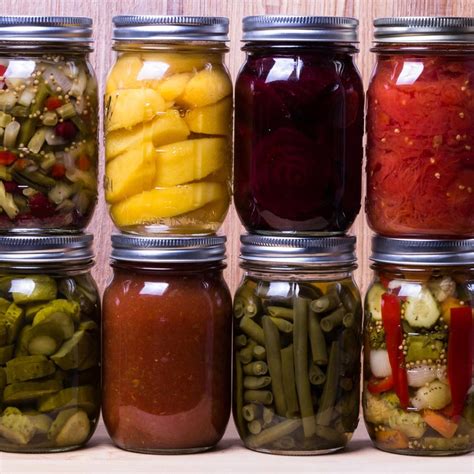
Safety First: Essential Tips for Preserving Tomatoes
Regardless of the method you choose, always prioritize food safety:
- Cleanliness: Always start with clean hands, utensils, surfaces, and produce.
- Acidification for Canning: Do NOT skip adding lemon juice or citric acid when water bath canning tomatoes or tomato products. This is critical for preventing botulism.
- Proper Sealing: For canned goods, ensure jars are properly sealed. If a jar doesn’t seal, refrigerate and consume its contents within a week or reprocess with a new lid.
- Storage: Store preserved goods in a cool, dark, dry place. Frozen goods should be kept at 0°F (-18°C) or below.
- Labeling: Always label jars and containers with the date and contents.
With these safe and simple techniques, you can enjoy the incredible taste of your garden-fresh tomatoes long after the summer sun has faded. Happy preserving!