





Affordable DIY chicken coop plans for a small backyard flock?

Why Build Your Own Chicken Coop?
Embarking on the journey of raising chickens is a rewarding experience, and for many, the first step is providing a safe, comfortable home for their feathered friends. While store-bought coops can be convenient, building your own offers significant advantages, especially when budget is a concern. DIY chicken coops allow for customization to your specific backyard space and flock size, often at a fraction of the cost of pre-made options. Plus, there’s immense satisfaction in knowing you built it with your own hands, providing a secure sanctuary for your small backyard flock.

Essential Considerations for Your Small Flock Coop
Before grabbing your tools, planning is crucial. For a small backyard flock (typically 3-6 chickens), space requirements are manageable. Aim for at least 2-3 square feet per bird inside the coop and 8-10 square feet per bird in an attached run. Key elements to prioritize include:
- Predator Protection: This is non-negotiable. Use hardware cloth (not chicken wire) with a small gauge (1/2 inch or 1/4 inch) to deter raccoons, foxes, and other predators. Secure all gaps and use sturdy latches.
- Ventilation: Good airflow prevents respiratory issues and reduces ammonia buildup. Ensure high and low vents, but protect them with hardware cloth to prevent predator entry.
- Accessibility & Cleaning: Design your coop with easy access for egg collection and routine cleaning. A removable roof section or large access door can make a world of difference.
- Nesting Boxes: Provide one nesting box for every 3-4 hens, measuring approximately 12x12x12 inches.
- Roosting Bars: Chickens instinctively roost at night. Offer a sturdy roosting bar, at least 2 inches wide with rounded edges, placed higher than the nesting boxes.
Sourcing Affordable Materials
The secret to an affordable DIY coop lies in smart material sourcing. Look for:
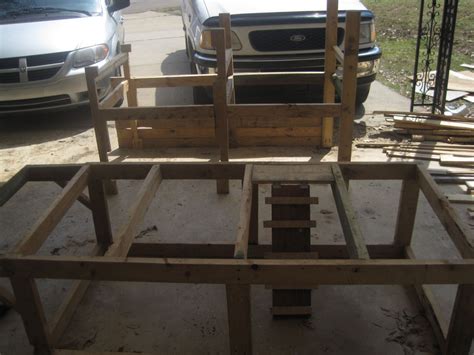
- Reclaimed Wood: Pallets are a fantastic free resource, often available from local businesses. Ensure they haven’t been treated with harmful chemicals (look for “HT” stamp for heat-treated). Old fence panels, deck boards, or even discarded lumber from construction sites can also be repurposed.
- Hardware Cloth: This is one area not to skimp on. While it costs more than chicken wire, its durability and predator resistance are worth the investment. Shop around for deals.
- Roofing: Scrap metal roofing, corrugated plastic, or even a heavy-duty tarp can provide adequate protection from the elements.
- Repurposed Items: An old dog house can become the base for a small coop. A discarded plastic barrel can be transformed into a secure nesting area. Creativity is key!
Popular & Budget-Friendly Coop Designs
Several designs are particularly well-suited for small flocks and DIY builders on a budget:
A-Frame Coops
Simple to construct and often mobile, A-frame coops maximize space efficiently. They typically include a small enclosed area at one end for nesting and roosting, with a larger run integrated into the A-frame structure. They are excellent for those with limited space or who want to move their chickens around the yard.
Chicken Tractors
These mobile coops are designed to be moved daily or weekly, allowing chickens to forage on fresh grass and fertilize your lawn. They are essentially a coop and run combined into one movable unit. Perfect for small flocks, they often utilize lightweight materials for easy relocation.
Small Fixed Coop with Attached Run
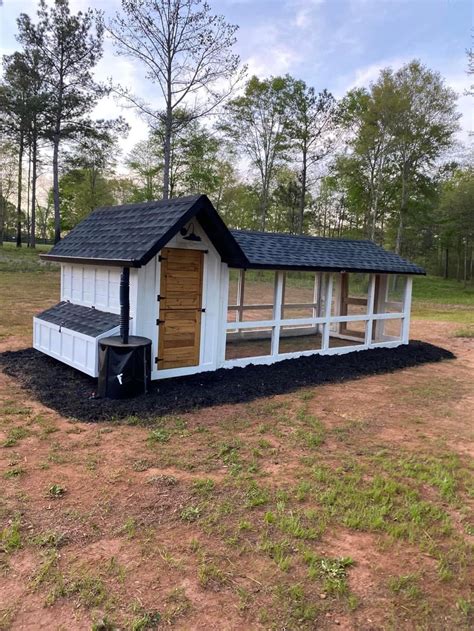
The classic design, this involves a stationary coop building with a permanently attached, fully enclosed run. This offers maximum security and stability. You can start with a basic box design and add a run constructed from reclaimed wood and hardware cloth.
Repurposed Structures
Don’t underestimate the potential of existing structures. An old garden shed can be converted into a spacious coop with minimal modifications. Even a large, sturdy dog kennel can form the skeleton for a secure run.

Building Smart: Tips for Success
- Free Plans are Your Friend: Many websites, including university extension services and homesteading blogs, offer free, detailed chicken coop plans. Find one that suits your needs and skill level.
- Measure Twice, Cut Once: This age-old adage saves time and materials.
- Basic Tool Kit: You don’t need fancy tools. A saw, drill, tape measure, and hammer are usually sufficient for most projects.
- Community Resources: Check local buy/sell/trade groups for free or cheap materials, and don’t be afraid to ask friends or neighbors if they have scrap lumber.

Ensuring Safety and Durability
Beyond predator protection with hardware cloth, consider elevating your coop. Raising the coop off the ground helps deter ground predators, improves ventilation, and keeps the coop drier. For extra security, dig a trench around the perimeter of your run and bury hardware cloth a foot or so deep to prevent predators from digging underneath. All doors and access points should have sturdy, predator-proof latches that can’t be opened by clever paws.
Regular maintenance is also key to durability. Check for loose boards, damaged hardware cloth, or signs of wear and tear, especially after harsh weather. A well-built and maintained DIY coop will serve your flock for years.
Conclusion
Building an affordable DIY chicken coop for your small backyard flock is an achievable and rewarding project. With careful planning, smart material sourcing, and a bit of effort, you can provide a safe, comfortable, and charming home for your chickens. Enjoy the fresh eggs and the satisfaction of a job well done!