



Best ways to adapt summer garden vegetable recipes for root cellar storage?

As summer’s bounty overflows from our gardens, the desire to preserve those vibrant flavors for the leaner months becomes paramount. While freezing and canning are popular methods, the humble root cellar offers a unique, energy-efficient way to store certain produce. Adapting your favorite summer vegetable recipes for root cellar storage isn’t about replicating fresh dishes perfectly, but rather transforming components into shelf-stable forms that can be enjoyed later, often with new textures and intensified flavors.
Understanding the Root Cellar’s Role for Summer Produce
A root cellar provides a cool, dark, and often humid environment ideal for storing specific types of produce raw or in minimally processed forms. It’s not suitable for all summer vegetables or cooked dishes that require refrigeration. Instead, think of it as a natural, climate-controlled pantry for items that benefit from stable temperatures without freezing, like cured squash, root vegetables, and fermented goods.
Core Strategies for Adapting Summer Harvests
To successfully transition your summer garden vegetables for root cellar storage, focus on methods that reduce moisture content, increase acidity, or create a stable, protected environment for the produce.
Dehydration: Concentrating Flavor and Longevity
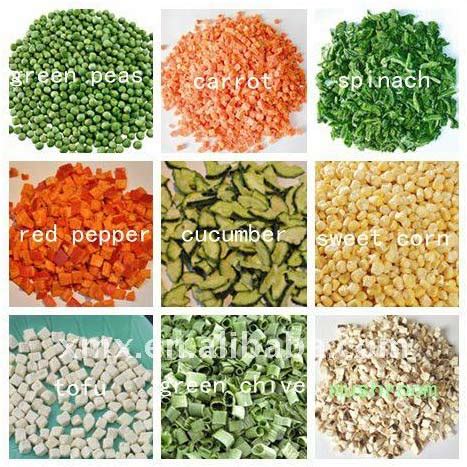
Dehydration is excellent for many summer vegetables. Removing water inhibits spoilage, leaving you with intensely flavored, lightweight ingredients.
- Tomatoes: Slice ripe tomatoes thinly and dry them in a dehydrator or a low oven until leathery but pliable. Store these sun-dried tomatoes (or oven-dried) in airtight containers in your root cellar. They can be rehydrated for sauces or chopped and added to dishes.
- Peppers: Bell peppers and chili peppers can be sliced and dried. Dried peppers add a concentrated, smoky flavor to winter stews and soups.
- Zucchini & Summer Squash: Slice thinly and dehydrate for chips or rehydrate for adding to recipes.
- Herbs: Dry basil, oregano, thyme, and rosemary. Once completely dry, store in airtight jars.
Fermentation: A Living Preservation Method
Fermentation transforms vegetables, creating probiotics and delicious, tangy flavors that are shelf-stable and thrive in a root cellar environment.
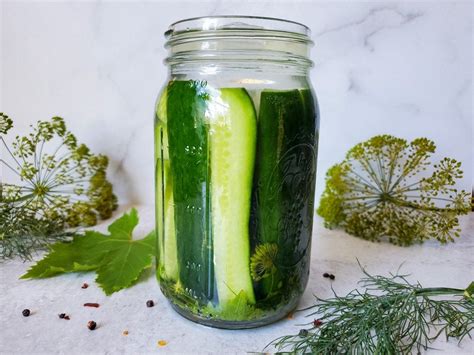
- Cucumbers: Turn your cucumber harvest into classic lacto-fermented dill pickles. Pack whole or sliced cucumbers with brine, dill, garlic, and spices into jars. Once fermented, they can be stored in a cool root cellar.
- Cabbage: Sauerkraut is a quintessential root cellar staple. Shredded cabbage fermented with salt becomes a versatile, tangy side dish or ingredient.
- Green Beans & Carrots: These can also be lacto-fermented, offering a crisp, tangy vegetable to enjoy when fresh options are scarce.
Curing & Conditioning for Direct Storage
While often associated with autumn harvests, summer gardens can also produce items suitable for direct root cellar storage with proper curing.
- Winter Squash & Pumpkins: Although summer squash doesn’t typically store well, you might grow early varieties of winter squash or pumpkins. Cure these by exposing them to warm, sunny conditions for a week or two post-harvest to harden their skins, then store in a cool, moderately humid root cellar.
- Onions & Garlic: Allow them to cure in a warm, dry, airy place for several weeks until their outer skins are papery dry. Trim roots and tops, then store them in braided ropes or mesh bags in the root cellar.
Transforming Classic Summer Dishes for Winter Enjoyment
Think about the core ingredients of your favorite summer recipes and how they can be preserved for later assembly.
Tomato-Based Sauces & Pastes
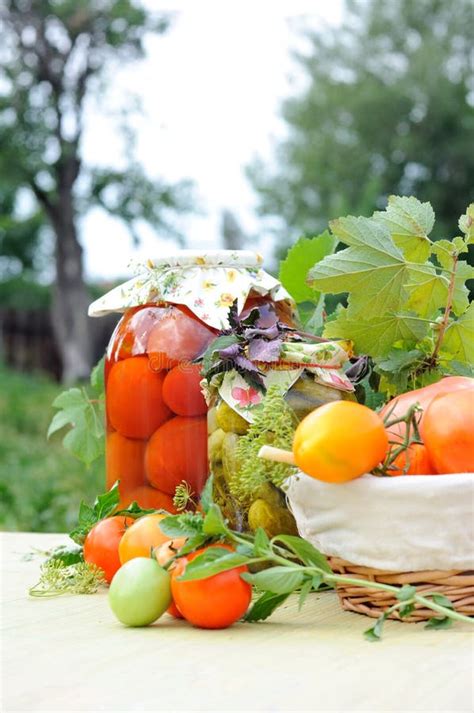
Instead of making fresh tomato sauce, roast large batches of tomatoes with herbs, then can or freeze the resulting rich sauce. Alternatively, reduce roasted tomatoes to a thick paste and store it in small containers in the freezer, or dry them fully to grind into a powder. While canned or frozen items typically don’t go into a root cellar, the raw tomatoes processed into a shelf-stable sauce in jars certainly can.
Pepper Preparations
Roast bell peppers until charred, peel, and then pack them into jars with a little olive oil (ensuring proper acidification if not canning) or blanch and freeze. For root cellar storage, consider pickling roasted peppers in a vinegar brine. Chili peppers can be dried whole or ground into powder.
Zucchini & Cucumber Innovations
Beyond pickling cucumbers, consider making relish from excess cucumbers and zucchini. Zucchini can be shredded and dehydrated, or even made into lacto-fermented zucchini relish.
Tips for Success in Root Cellar Adaptation
- Select Prime Produce: Only use blemish-free, firm vegetables for preservation.
- Proper Cleaning: Wash vegetables thoroughly but ensure they are completely dry before drying or direct storage.
- Monitor Conditions: Regularly check your root cellar’s temperature and humidity. Ideal conditions vary slightly by produce type.
- Label Everything: Include the date and contents on all jars and containers.
- Batch Processing: Dedicate specific days to preserving a large amount of one type of vegetable to optimize efficiency.

Adapting your summer garden vegetable recipes for root cellar storage is a rewarding process that connects you more deeply with your food. It reduces waste, extends the enjoyment of your harvest, and provides a delicious taste of summer even in the depths of winter. Experiment with different methods and find what works best for your garden and your palate.