

Best methods to season and maintain a cast iron skillet?

The Enduring Appeal of Cast Iron Cookware
Cast iron skillets are culinary workhorses, cherished for their even heat distribution, incredible durability, and ability to impart a unique flavor to food. However, their legendary performance hinges on one critical factor: proper seasoning and consistent maintenance. A well-seasoned cast iron skillet is naturally non-stick, rust-resistant, and a joy to cook with for generations. Let’s explore the best methods to achieve and maintain this highly coveted surface.
Understanding Cast Iron Seasoning
Seasoning isn’t about flavor; it’s about creating a protective, non-stick layer through a process called polymerization. When fats and oils are heated to their smoke point, they break down and bond with the iron, creating a hard, slick, and protective coating. This layer builds up over time with use and proper care.
Initial Seasoning for New or Stripped Skillets
If you’ve just bought a new (unseasoned) cast iron skillet, or have stripped an old one down to bare metal, follow these steps to build its foundational seasoning:
- Clean Thoroughly: Wash the skillet with warm, soapy water and a stiff brush or scour pad to remove any factory wax or residue. Rinse well and dry immediately with a clean cloth.
- Heat to Dry: Place the skillet on a stovetop over medium heat for 5-10 minutes, or in an oven at 200°F (93°C) for 15 minutes, to ensure it’s completely dry. This also opens up the pores of the iron.
- Apply a Thin Layer of Oil: Once cooled slightly, apply a very thin, even layer of high smoke point oil (like flaxseed, grapeseed, canola, or vegetable oil) to every surface of the skillet – inside, outside, and handle. Use a paper towel to rub it in, then use a fresh, dry paper towel to wipe off as much excess oil as possible. The goal is a barely visible sheen. Too much oil will result in a sticky, gummy finish.
- Bake the Skillet: Place the skillet upside down on the middle rack of your oven. Place a sheet of aluminum foil on the rack below to catch any drips.
- Heat Cycle: Bake at 450-500°F (232-260°C) for one hour. Turn off the oven and let the skillet cool completely inside the oven.
- Repeat: For a robust initial seasoning, repeat steps 3-5 at least 3-5 times. Each layer contributes to a stronger, more non-stick surface.

Re-Seasoning an Existing Skillet
Even well-used skillets may sometimes need a touch-up or a full re-seasoning if they develop dull spots, rust, or become sticky. Follow the same steps as initial seasoning, focusing on applying very thin layers of oil. For minor touch-ups, you can also apply a thin layer of oil and heat the skillet on the stovetop until it smokes, then let it cool.
Daily Cleaning and Maintenance
Consistent care after each use is vital for preserving your cast iron’s seasoning.
Post-Cooking Cleaning
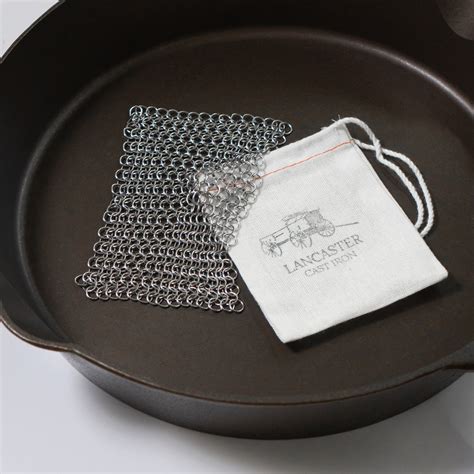
- Scrape and Rinse: While the skillet is still warm (but not scorching hot), scrape out any food bits with a metal spatula or a plastic scraper. Rinse with hot water. For stubborn bits, use a stiff brush or a chainmail scrubber.
- Avoid Harsh Soap (Mostly): Traditional advice warns against soap, as it can strip seasoning. Modern cast iron seasoning is more durable, so a tiny bit of mild dish soap won’t necessarily destroy it, but it’s generally best to stick to hot water and a scraper/brush. If you do use soap, ensure it’s minimal and rinse thoroughly.
- No Dishwashers: Never put cast iron in a dishwasher; it will strip the seasoning and cause rust.
Drying and Re-oiling
This is arguably the most crucial step after cleaning:
- Dry Thoroughly: Immediately after rinsing, dry the skillet completely with a clean towel. To ensure every last drop of moisture is gone, place the skillet on the stovetop over medium-low heat for a few minutes until it’s completely dry and slightly warm.
- Apply a Light Oil Coat: Once dry and still warm, apply a very thin layer of high smoke point oil (the same types used for initial seasoning) to the entire cooking surface with a paper towel. Wipe off any excess, leaving just a faint sheen. This replenishes the protective layer and prevents rust.

Proper Storage
How you store your cast iron also impacts its longevity:
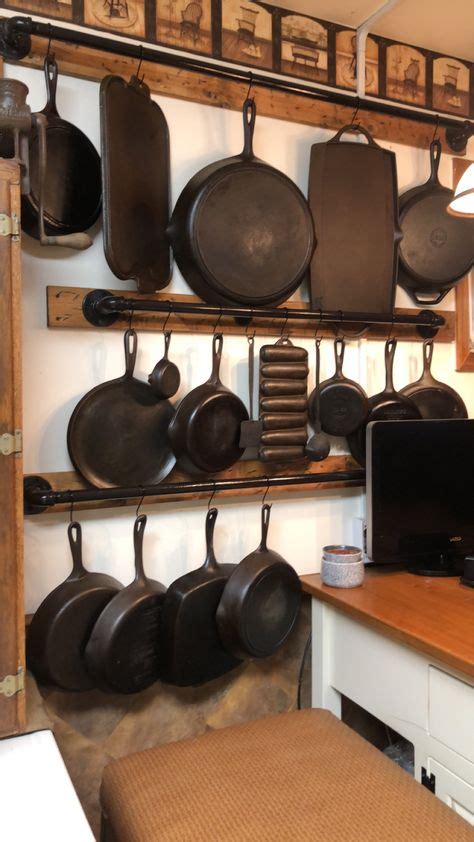
- Dry Location: Store your skillet in a dry, airy place to prevent moisture buildup and rust.
- Prevent Scratches: If stacking multiple cast iron pieces, place a paper towel or a thin cloth between them to prevent scratches to the seasoning.
Troubleshooting Common Cast Iron Issues
- Rust: If rust appears, scrub it off with steel wool or a wire brush until the bare metal is exposed. Then, wash, dry, and re-season the affected area (or the entire skillet) following the initial seasoning steps.
- Sticky/Gummy Surface: This usually means too much oil was applied during seasoning or re-oiling, or it wasn’t heated to a high enough temperature. Scrub off the sticky residue, wash, dry, and then re-season with an extremely thin layer of oil.
- Food Sticking: Your seasoning might be too thin or damaged. Cook with more oil for a while, or consider re-seasoning. Ensure the skillet is properly preheated before adding food.
Conclusion
Mastering the art of seasoning and maintaining your cast iron skillet is a rewarding endeavor. With a little patience and consistent care, your cast iron cookware will develop an incredible non-stick surface, provide superior cooking results, and become a cherished heirloom passed down through your family. Happy cooking!