




What are easy ways to preserve my garden’s seasonal bounty in recipes?

Embrace the Harvest: Preserving Your Garden’s Bounty
The joy of a thriving garden comes with a delightful challenge: what to do with all that amazing produce when it’s ripe and ready? Instead of letting your hard work go to waste, embracing simple preservation techniques allows you to capture those peak flavors and enjoy your seasonal harvest long after the growing season ends. From quick freezing to flavorful canning, these methods integrate seamlessly into everyday cooking, making your kitchen a hub of year-round garden goodness.
Freezing: The Quickest Way to Lock in Freshness
Freezing is arguably the easiest and most versatile preservation method for home gardeners. It requires minimal equipment and keeps most vegetables and fruits remarkably close to their fresh state. Almost any vegetable can be blanched and frozen, while many fruits can be frozen whole or sliced without much prep.
- Berries and Fruit: Spread washed and dried berries (strawberries, blueberries, raspberries) on a baking sheet to freeze individually before transferring to freezer bags. Use them later in smoothies, pies, crumbles, or simply as a refreshing snack. Sliced peaches or apples can be frozen in a similar fashion.
- Herbs: Chop fresh herbs (parsley, cilantro, basil) and freeze them in ice cube trays with a little water or olive oil. Pop them into soups, stews, or sauces for a burst of fresh flavor.
- Vegetables: Blanch chopped green beans, corn kernels, peas, or broccoli florets for a few minutes in boiling water, then shock them in ice water, drain thoroughly, and freeze. These are perfect for stir-fries, casseroles, or side dishes.
- Tomato Paste/Sauce: Reduce excess garden tomatoes into a rich paste or sauce, then freeze portions in ice cube trays or small containers for future pasta dishes, chilis, or stews.

Drying: Concentrating Flavors Naturally
Drying removes moisture, intensifying flavors and extending shelf life without refrigeration. This method is excellent for herbs, certain fruits, and even some vegetables. You can use a dehydrator, an oven on its lowest setting, or even air drying in warm, dry climates.
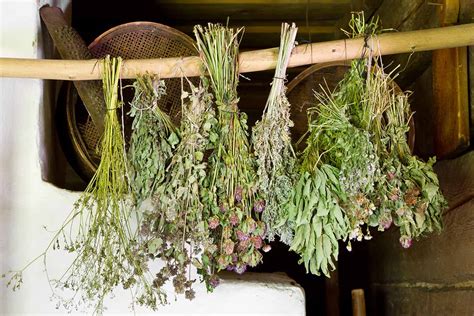
- Herbs: Hang bundles of herbs like oregano, thyme, rosemary, or sage in a dry, well-ventilated area until brittle. Crumble them into jars for your own homegrown seasoning blends.
- Sun-Dried Tomatoes: Slice ripe tomatoes thinly and dry them until leathery. Store them in olive oil or dry for a savory addition to pasta, salads, or sandwiches.
- Fruit Leathers: Purée ripe fruit (apples, berries, apricots) and spread thinly on dehydrator trays or parchment-lined baking sheets. Dry until pliable for a healthy, portable snack.
Canning and Pickling: Old-School Preservation Made Easy
While often perceived as daunting, basic canning and pickling are accessible and incredibly rewarding. They transform fresh produce into shelf-stable jars of deliciousness, perfect for gifting or stocking your pantry.
- Jams and Jellies: Berries, stone fruits, and even some vegetables (like peppers in a spicy jelly) make fantastic jams. A simple berry jam requires fruit, sugar, and pectin, then a quick water bath canning process.
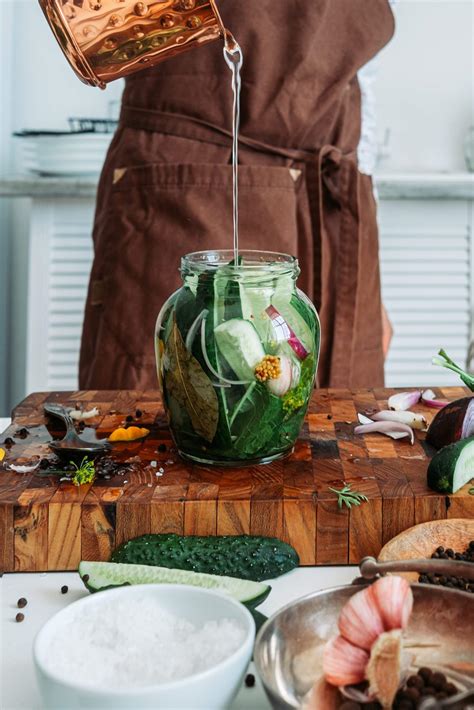
- Pickles: Cucumbers are the classic, but almost any firm vegetable—green beans, carrots, beets, or even sliced zucchini—can be pickled. A basic brine of vinegar, water, salt, and spices is all you need for crisp, tangy results. Refrigerator pickles are a great entry point, lasting several weeks without a full canning process.
- Salsas and Sauces: Make large batches of garden salsa or marinara sauce using tomatoes, peppers, and onions. These can be safely canned using a water bath canner for acidic recipes or a pressure canner for low-acid options.

Creative Cooking and Batching: Enjoying Now and Later
Sometimes the best way to preserve your bounty is to cook it into dishes that freeze well or can be stored for immediate enjoyment. This method combines preservation with meal prep, making your weeknights easier.
- Pesto: Blend excess basil with pine nuts, garlic, Parmesan, and olive oil. Freeze in ice cube trays or small containers for quick pasta dishes, sandwiches, or dolloped onto roasted vegetables.
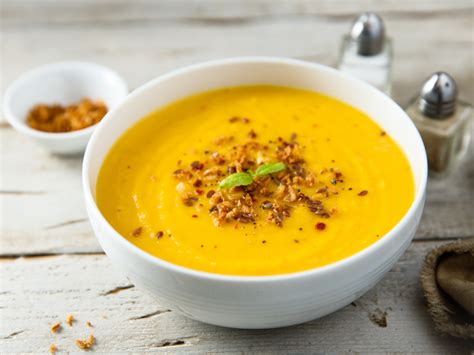
- Soups and Stews: Hearty vegetable soups, chilis, or gazpacho can be made in large quantities and frozen in meal-sized portions. Use up tomatoes, corn, beans, squash, and any other garden produce.
- Roasted Vegetables: Roast a large tray of mixed vegetables (zucchini, bell peppers, onions, eggplant) with herbs and olive oil. Enjoy some immediately and freeze the rest for future additions to pasta, frittatas, or as a side dish.
- Infused Oils and Vinegars: Steep fresh herbs or garlic in good quality olive oil or vinegar for a few weeks (ensure proper food safety for infused oils to prevent botulism, storing in the fridge and using quickly). These make wonderful dressings and marinades.
By incorporating these easy preservation techniques into your routine, you’ll not only reduce food waste but also elevate your cooking with the incomparable taste of your own garden’s seasonal bounty, enjoyed throughout the entire year.