


How to involve kids in homestead chores and garden-to-table meals?
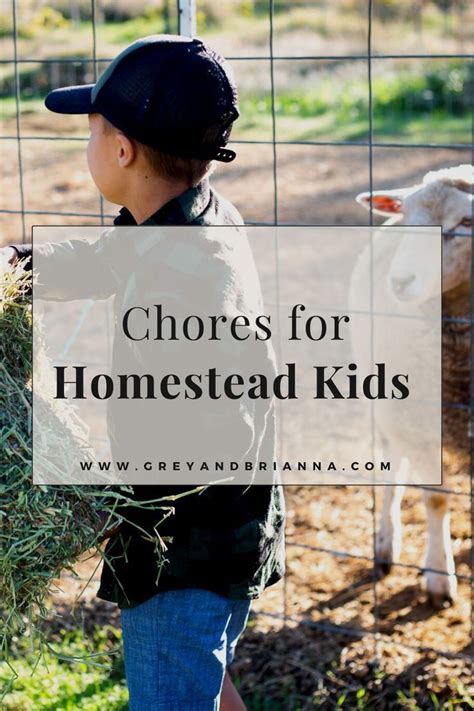
Cultivating Responsibility and Connection through Homesteading
In an age where screens often dominate attention, getting kids involved in the tangible world of homesteading offers invaluable lessons in responsibility, sustainability, and the true source of our food. Far from being just “work,” these activities can transform into enriching experiences that build character, foster curiosity, and strengthen family bonds. Engaging children in everything from planting seeds to preparing meals from scratch not only lightens the load for parents but also empowers kids with practical skills and a deeper appreciation for nature and nutrition.
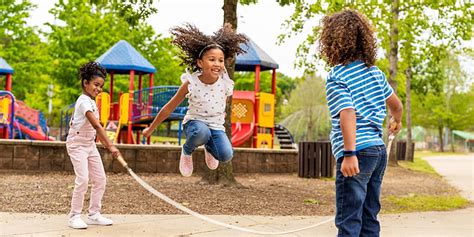
Making Homestead Chores an Adventure
The key to involving kids successfully is to reframe chores as adventures or important contributions rather than obligations. Start by assigning age-appropriate tasks that match their developmental stage and physical capabilities.
Toddlers and Preschoolers (Ages 2-5):
- Watering plants with a small can.
- Washing fruits and vegetables.
- Stirring ingredients (under supervision).
- Putting away garden tools.
Elementary Schoolers (Ages 6-10):
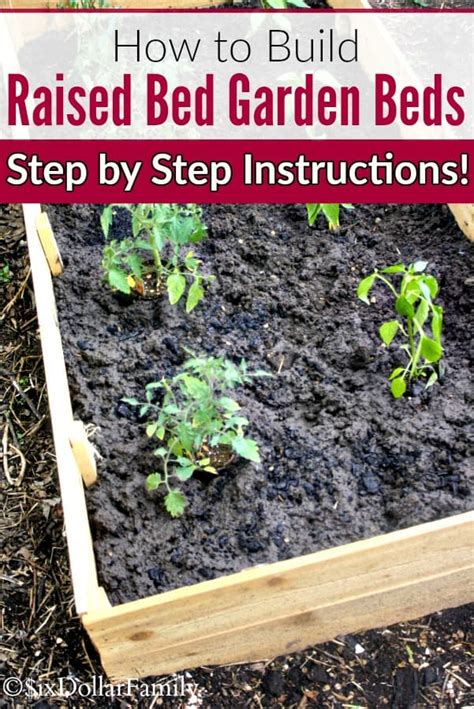
- Planting seeds and seedlings.
- Weeding specific garden beds.
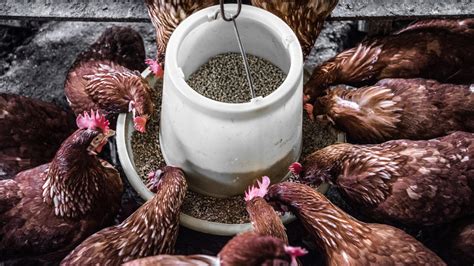
- Collecting eggs (if applicable).
- Helping with compost turning.
- Simple food preparation like peeling vegetables or mixing salads.
Pre-teens and Teenagers (Ages 11+):
- Planning garden layouts.
- Operating larger garden tools (with proper training).
- Preserving food (canning, freezing, dehydrating).
- Taking leadership roles in meal prep.
- Basic animal care.
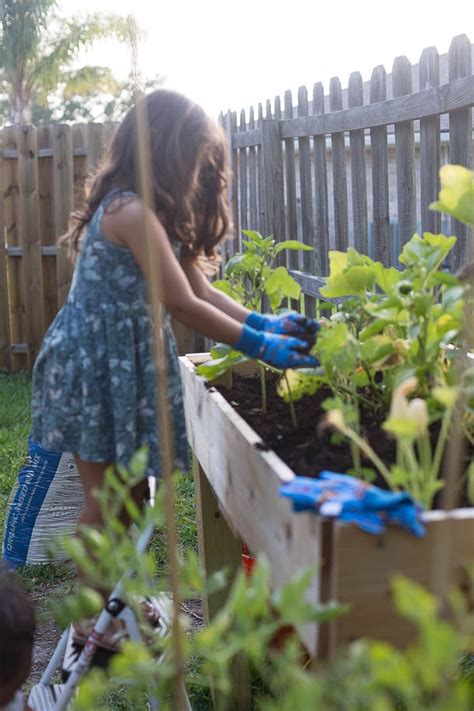
To keep engagement high, make it fun! Turn weeding into a treasure hunt for “bad plants” or time how fast they can collect a basket of produce. Provide them with their own kid-sized tools and dedicated garden gloves to make them feel like a genuine part of the team.

From Garden to Table: A Delicious Journey
The garden-to-table experience is where the magic truly happens. When children actively participate in growing food, they are far more likely to try and enjoy what they’ve helped cultivate. This direct connection demystifies food sources and highlights the effort involved in producing nutritious meals.
Getting Hands-On in the Garden:
- Choosing Seeds: Let kids pick out some of their favorite vegetables or unique varieties to grow.
- Planting Together: Explain the process of planting seeds or seedlings, the importance of sunlight and water, and how to care for young plants.
- Regular Care: Involve them in daily watering, checking for pests, and observing plant growth. Keep a growth chart or photo diary.
- Harvesting Rewards: The moment of harvest is incredibly satisfying. Teach them how to properly pick ripe produce without damaging the plant.

Cooking Up a Storm:
Once the bounty is collected, bring the kids into the kitchen. This is a prime opportunity to teach basic cooking skills, food safety, and healthy eating habits. They can help wash vegetables, tear lettuce for salads, stir pots (with supervision), or even assemble simple dishes.
- Meal Planning: Involve them in deciding what to cook with the harvested ingredients.
- Preparation Station: Give them their own cutting board and age-appropriate knives (or butter knives for younger kids) for safe prepping.
- Taste Testing: Encourage them to taste ingredients at different stages of cooking.
- Setting the Table: A simple chore that reinforces their role in the family meal.
The pride they feel when eating a meal made with ingredients they grew and prepared themselves is immeasurable and often leads to them being more adventurous eaters.

Tips for Sustained Engagement
- Lead by Example: Your enthusiasm is contagious. Show them how much you enjoy working in the garden and kitchen.
- Be Patient and Flexible: Not every day will be perfect. There will be messes, mistakes, and moments of frustration. Embrace them as learning opportunities.
- Celebrate Successes: Acknowledge their efforts, no matter how small. “Great job watering the tomatoes!” or “This salad tastes amazing thanks to your help!”
- Keep it Fun: Integrate stories, songs, or games into chores. Make it a bonding experience, not just a task list.
- Don’t Force It: If a child isn’t interested in a particular chore one day, offer an alternative or let it go. Forcing participation can lead to resentment.
- Educate Along the Way: Explain why certain tasks are important – why we weed, why compost is good, why certain foods are healthy.

The Lasting Harvest
Involving children in homestead chores and the garden-to-table cycle is more than just getting an extra pair of hands; it’s an investment in their development. They learn about where food comes from, the effort required to produce it, the importance of healthy eating, and the joy of contributing to the family. These experiences cultivate responsibility, resilience, an appreciation for nature, and create cherished memories that will last a lifetime, fostering a generation that values sustainable living and understands the true meaning of nourishment.