




Effective DIY methods to deter deer from organic vegetable gardens naturally?

Deer can be a delightful sight in nature, but their foraging habits can quickly decimate an organic vegetable garden. For gardeners committed to natural, chemical-free methods, finding effective ways to deter these elegant yet persistent herbivores is crucial. Fortunately, a variety of DIY solutions exist that can help protect your precious produce without harming the deer or your plants.
Understanding Deer Behavior
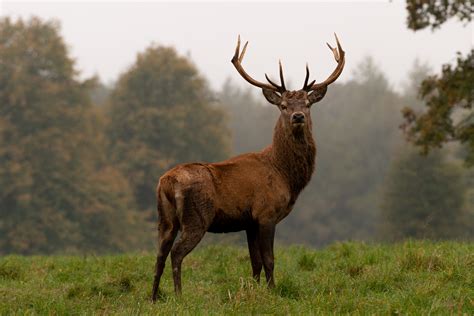
Before implementing deterrents, it helps to understand why deer are attracted to your garden and their typical behaviors. Deer are creatures of habit and will return to reliable food sources. They have a keen sense of smell, excellent hearing, and good eyesight, especially at dawn and dusk. Their dietary preferences are broad, but they particularly enjoy tender new growth and many common garden vegetables.
Physical Barriers: The Most Effective Defense
When it comes to keeping deer out, a physical barrier is often the most reliable method. While it might require an initial investment of time and materials, a well-constructed fence can offer long-term protection for your organic vegetables.
Tall Fencing
Deer are surprisingly athletic jumpers. For a truly effective fence, aim for a height of at least 8 feet. Options include woven wire, electric fence, or even strong nylon netting. Consider angling the top section of the fence outwards, as this makes it more difficult for deer to gauge and clear.
Double Fencing or Slanted Fences
If an 8-foot fence isn’t feasible, two parallel 4-5 foot fences spaced about 3-4 feet apart can confuse deer, making them hesitant to jump into the confined space between the fences.
Individual Plant Protection
For smaller gardens or specific highly prized plants, individual cages made from chicken wire or hardware cloth can offer localized protection. Ensure these cages are tall enough to prevent deer from reaching over.

Repellents: Appealing to Their Senses
While less foolproof than physical barriers, natural repellents can be effective, especially when rotated and combined with other methods. They primarily work by offending the deer’s sense of smell or taste.
Scent-Based Repellents
- Soap: Bars of highly scented soap (like Irish Spring) hung from stakes or branches around the garden can deter deer. The strong scent masks the smell of desirable plants. Replace them after heavy rain or when the scent fades.
- Human Hair/Dog Hair: Deer are naturally wary of predators. Placing bags of human hair (from local barbershops) or dog hair around the garden can create a scent that suggests predator presence.
- Strong-Smelling Herbs: Planting aromatic herbs like rosemary, lavender, sage, or mint around the perimeter of your garden can act as a natural scent barrier.
- Garlic and Hot Pepper Sprays: A homemade spray made from crushed garlic, hot peppers, and water can be applied directly to plants (ensure it won’t harm your specific vegetables). The strong taste and smell are unpleasant to deer. Reapply after rain.

Visual and Auditory Deterrents
Deer are skittish and can be startled by sudden movements or noises. These methods are generally less reliable on their own as deer can habituate to them over time, but they can contribute to an overall deterrent strategy.
- Reflective Objects: Hanging old CDs, aluminum pie plates, or reflective tape can create flashes of light that can startle deer.
- Wind Chimes or Bells: Unpredictable noises can also be unsettling.
- Motion-Activated Sprinklers: These devices are highly effective, startling deer with a sudden spray of water. They are particularly useful for protecting specific areas and don’t require constant reapplication.
Planting Strategies: Choosing Deer-Resistant Varieties
While no plant is entirely deer-proof, some are less appealing to deer than others. Incorporating these into your garden design, especially as border plants, can reduce deer interest.
- Rough or Hairy Leaves: Plants with fuzzy or coarse textures (e.g., lambs ear, borage) are often avoided.
- Strongly Scented Leaves: As mentioned, herbs like rosemary, thyme, and lavender are often passed over.
- Toxic or Bitter Plants: Deer tend to avoid plants that are toxic or have a very bitter taste. However, be cautious when planting these in a vegetable garden, especially if pets or children are present.
- Least Preferred Vegetables: While deer will eat almost anything when hungry, they generally show less interest in onions, garlic, chives, rhubarb, and some squash varieties.
The Integrated Approach: Combining Methods for Success
The most effective strategy for deterring deer from an organic vegetable garden is rarely a single method. Instead, an integrated approach that combines several techniques often yields the best results. Rotate repellents to prevent deer from becoming accustomed to a particular scent or taste. Maintain your barriers diligently and inspect them regularly for weaknesses. By combining physical barriers with sensory deterrents and smart planting choices, you can create a multi-layered defense that naturally protects your organic bounty.