

How to involve kids in garden-to-table meal prep for healthier family eating?
Cultivating Healthy Habits from Seed to Plate
The journey from garden to table is a magical one, especially when shared with children. In an age where processed foods often dominate dinner plates, empowering kids to connect with where their food comes from can be a powerful catalyst for healthier eating habits. Involving children in every step, from planting seeds to preparing meals, not only teaches them valuable life skills but also cultivates an appreciation for nutritious, home-cooked food.
This approach transforms mealtime into an engaging, educational adventure, fostering curiosity about ingredients and promoting a willingness to try new flavors. It’s more than just cooking; it’s about building a foundation for lifelong health and creating lasting family memories.

The Garden as an Outdoor Classroom
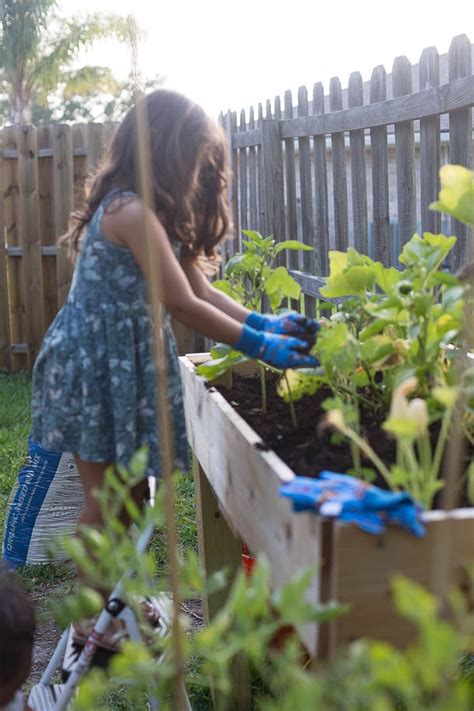
Starting in the garden provides a hands-on learning experience like no other. Children learn about life cycles, responsibility, and the patience required for growth. Even a small container garden can offer significant lessons. Encourage them to choose what to plant, whether it’s easy-to-grow herbs like mint or resilient vegetables such as cherry tomatoes and snap peas. These choices give them ownership from the very beginning.
Assign age-appropriate tasks: younger children can water plants, help with weeding, or harvest ripe produce, while older kids can assist with soil preparation, pest identification, and even planning the garden layout. Witnessing their efforts result in a bountiful harvest instills a sense of pride and accomplishment, making them more likely to want to eat the fruits (and vegetables) of their labor.
From Harvest to Kitchen Helper: Bridging the Gap
Once the harvest is complete, the kitchen becomes the next exciting stage. The transition from garden to kitchen should be seamless and fun. Begin by having children wash the freshly picked produce – a simple task that highlights the cleanliness and freshness of their garden goods. This step alone can be incredibly satisfying for them.
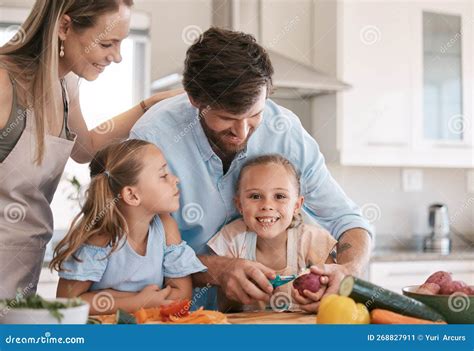
Introduce age-appropriate kitchen tasks. Toddlers can tear lettuce for salads or stir ingredients in a bowl. Preschoolers can help measure ingredients, wash vegetables, or snap green beans. Older children can safely chop softer vegetables with supervision, grate cheese, or mix batters. Providing them with their own child-friendly tools, like blunt knives or small cutting boards, can boost their enthusiasm and confidence.

Cooking Together, Eating Healthier, and Building Skills
When children are actively involved in meal preparation, they’re not just learning to cook; they’re developing a deeper connection to their food. Studies show that kids who help prepare meals are more likely to try new foods and eat a wider variety of vegetables. The sense of accomplishment they feel when they contribute to a family meal is immense, transforming them from passive eaters into active participants in their own nutrition.
This shared experience is also a fantastic opportunity for family bonding. It allows for conversations about nutrition, different cultures’ cuisines, and basic culinary science. They learn about food safety, hygiene, and the importance of a balanced diet, all while spending quality time with loved ones. It’s a practical application of STEM principles right in your home.

Tips for a Successful Garden-to-Table Experience
- Start Small: Don’t feel pressured to have a massive garden or prepare elaborate meals. A few potted herbs or one simple recipe prepared together can be just as impactful.
- Keep it Age-Appropriate: Tailor tasks to your child’s developmental stage. Patience is key; focus on the process, not perfection.
- Make it Fun: Turn it into a game, sing songs, or tell stories while you work. Let them experiment (within safe boundaries).
- Celebrate Efforts: Praise their contributions, no matter how small. Acknowledge their role in creating the delicious meal.
- Be a Role Model: Show enthusiasm for healthy eating and gardening yourself. Your excitement will be contagious.

Cultivating a Lifetime of Wellness
Involving kids in garden-to-table meal prep is more than just a passing trend; it’s an investment in their health, well-being, and development. By connecting them to the origins of their food and empowering them in the kitchen, families can cultivate not only delicious, nutritious meals but also a lifetime of healthier eating habits, essential life skills, and cherished memories. It’s a holistic approach to family nutrition that truly grows from the ground up.