



How to prevent soggy pie crust bottoms with fresh fruit fillings?
The Battle Against the Soggy Bottom
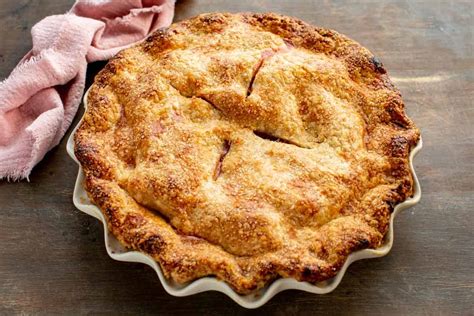
There’s nothing quite as disappointing as biting into a beautiful homemade fruit pie, only to find the bottom crust has turned into a soggy, unbaked mess. This common baking woe plagues even experienced bakers, especially when working with juicy fresh fruit fillings. The good news? With a few strategic techniques, you can banish the dreaded soggy bottom for good and enjoy perfectly crisp, golden pie crusts every time.
Understanding the Enemy: Moisture
Fresh fruit, while delicious, is packed with moisture. As the pie bakes, this moisture releases, turns to steam, and then condenses, seeping into the bottom crust. This process prevents the crust from fully cooking and crisping up, leading to that undesirable soggy texture. Our goal is to create barriers and reduce the amount of moisture coming into direct contact with the dough.
Pre-Baking (Blind Baking) Your Crust
One of the most effective ways to prevent a soggy bottom is to pre-bake or “blind bake” your pie crust before adding the filling. This partially cooks the crust, setting its structure and creating a shield against moisture.
How to Blind Bake:
- Chill the Dough: Ensure your pie dough is well-chilled before rolling it out and placing it in the pie plate. This helps prevent shrinkage.
- Docking: Gently prick the bottom of the raw crust with a fork several times. This allows steam to escape, preventing large bubbles.
- Line and Weight: Line the crust with parchment paper and fill it with pie weights, dried beans, or uncooked rice. These weights prevent the crust from puffing up and shrinking.
- Bake Time: Bake in a preheated oven (usually around 375-400°F or 190-200°C) for 15-20 minutes with weights, then remove the weights and parchment and bake for another 5-10 minutes, or until the crust looks dry and lightly golden. For some recipes, you might bake it almost completely.

Creating a Moisture Barrier
Even with blind baking, an extra layer of protection can make all the difference, especially with very juicy fruits.
Barrier Options:
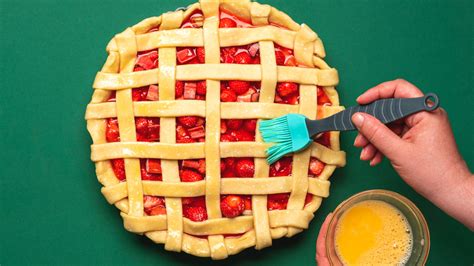
- Egg Wash: After blind baking, brush the bottom and sides of the hot crust with a lightly beaten egg white (or whole egg for richer color). Return it to the oven for 2-3 minutes, just until the egg sets. This creates a waterproof seal.
- Breadcrumbs or Crushed Cereal: A thin layer of finely crushed graham crackers, vanilla wafers, or even plain breadcrumbs sprinkled on the bottom of the crust before adding the filling can absorb excess moisture.
- Flour or Semolina: A tablespoon or two of all-purpose flour or semolina spread evenly over the bottom of the blind-baked crust can also act as an absorbent layer.
Fruit Preparation and Thickening Agents
The way you prepare your fruit filling also plays a crucial role in managing moisture.
- Drain Excess Juices: If your fruit is particularly juicy (like berries), consider tossing it with sugar and letting it sit for 15-30 minutes. Then, drain off any accumulated juices before adding the fruit to the pie shell. These juices can be reduced on the stovetop and added back if desired, or used for other purposes.
- Choose the Right Thickener:
- Cornstarch: A common choice, providing a clear, glossy finish. Use 1-2 tablespoons per 4-5 cups of fruit.
- Tapioca (Instant or Pearl): Great for fruit pies as it thickens well and holds up during baking, leaving no cloudy finish. Use 2-3 tablespoons per 4-5 cups of fruit.
- Flour: While it thickens, it can sometimes leave a slightly cloudy or pasty finish. Use 2-3 tablespoons per 4-5 cups of fruit.
- Pectin: Found naturally in fruits, added pectin can provide a very firm set, often used in jams.
Ensure you combine the thickener thoroughly with the sugar and fruit before adding it to the crust to prevent lumps.
Baking Temperature and Time
Proper oven temperature and sufficient baking time are critical for ensuring the bottom crust fully cooks and crisps.
- High Initial Heat: Start your pie in a hot oven (e.g., 400-425°F or 200-220°C) for the first 15-20 minutes. This initial burst of heat helps to rapidly set the bottom crust and begin the evaporation process.
- Lower and Slow: After the initial high heat, reduce the temperature (e.g., to 375°F or 190°C) and continue baking until the filling is bubbling thickly and the top crust is golden brown. A good indication that your bottom crust is done is when the filling is actively bubbling not just in the center, but also around the edges of the pie.
- Use a Baking Sheet: Place your pie on a preheated baking sheet when it goes into the oven. The direct heat from the hot sheet helps to cook the bottom crust more efficiently.
Mastering the Perfect Pie
Preventing a soggy pie crust bottom with fresh fruit fillings is a multi-step process that combines preparation, protection, and proper baking. By implementing blind baking, using a moisture barrier, wisely preparing your fruit, and optimizing your oven settings, you can consistently achieve pies with deliciously crisp bottoms that complement their juicy, flavorful fillings. Don’t let soggy crusts deter you; armed with these tips, your next homemade fruit pie will be a triumph!