


How to scale family scratch recipes for smaller country living portions?
Embracing Smaller Portions for Country Living
For many who embrace the tranquility of country living, the joy of cooking from scratch with cherished family recipes is a cornerstone of daily life. However, these time-honored dishes, often designed to feed a large family or a harvest crew, can yield portions far too generous for a smaller household. Scaling down these beloved recipes isn’t just about reducing waste; it’s about making them practical, enjoyable, and sustainable for one, two, or a small family without losing their essence. This guide will walk you through the art of downsizing, ensuring your meals remain delicious and true to their heritage.

Why Scale Down Your Family Favorites?
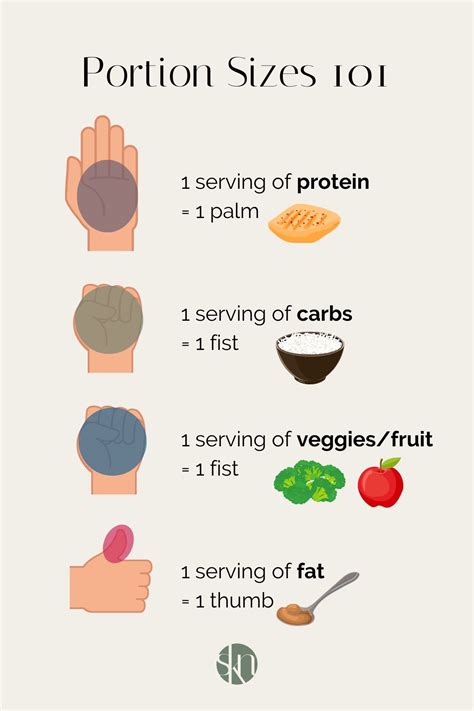
There are numerous compelling reasons to adapt your large-format family recipes. First and foremost is reducing food waste. Leftovers are great, but endless quantities can lead to spoilage. Smaller portions also mean fresher meals and the opportunity to try a wider variety of dishes throughout the week. Furthermore, for those focused on health and portion control, preparing just enough can be a powerful tool. Finally, it simply makes cooking less daunting when you’re not faced with a mountain of ingredients or a week’s worth of a single dish.
The Art of Halving (and Beyond)
The most common approach to scaling is to halve the recipe. This is usually the easiest mathematical adjustment. However, some recipes might even need to be quartered. While it sounds simple, specific considerations arise based on the type of recipe.
Savory Dishes: More Forgiving
Soups, stews, casseroles, and most main courses are relatively flexible. You can often simply halve or even quarter all ingredients. Taste as you go and adjust seasonings like salt, pepper, and herbs. Remember that flavors will concentrate as liquids reduce, so be conservative with strong spices and adjust at the end.
Baking: Precision is Key
Baking is more scientific and less forgiving than savory cooking. Leavening agents (baking soda, baking powder, yeast), flour, sugar, and fat ratios are crucial for texture and rise. Halving these accurately is vital. A digital kitchen scale can be invaluable here, allowing you to measure ingredients by weight, which is far more precise than volume, especially for small amounts.
Tackling Tricky Ingredients
- Eggs: Halving an egg can be challenging. For some recipes, you might be able to simply omit half an egg, especially if the recipe calls for two or more. If a recipe calls for one egg and you need half, whisk the egg well and use half the volume (about 1.5-2 tablespoons). Alternatively, for recipes where the egg is a binder or adds richness (like custards or certain breads), you might consider using an egg yolk or egg white for smaller batches, adjusting liquid content slightly.
- Leavening Agents: These must be scaled precisely. Use your most accurate measuring spoons (1/4 tsp, 1/8 tsp).
- Liquids: Reduce proportionally, but remember that some moisture will evaporate during cooking, especially in open pans. You might need slightly more liquid than a strict half or quarter measure if the cooking time remains similar.
- Spices and Herbs: Start with half or even a third of the scaled amount and taste before adding more. Dried herbs and spices are more concentrated than fresh.

Tools and Techniques for Small Batch Success
Having the right tools can make scaling recipes much easier:
- Digital Kitchen Scale: Essential for accurate baking measurements.
- Small Measuring Spoons: Sets that include 1/8 teaspoon and even 1/16 teaspoon are incredibly useful.
- Smaller Bakeware: If a recipe calls for a 9×13 inch pan, a half recipe might fit an 8×8 inch square pan or a loaf pan. Adjust baking times accordingly – smaller batches often cook faster.
- Mini Food Processors/Blenders: Perfect for smaller quantities of sauces, dressings, or purees that might get lost in a full-sized appliance.

Embrace the Experiment
Scaling recipes is as much an art as it is a science. Don’t be afraid to experiment, especially with savory dishes. Keep notes on what worked and what didn’t. Over time, you’ll develop an intuitive sense for how to adjust your cherished family recipes, making them perfectly suited for your country living kitchen. The goal is to enjoy the flavors and traditions without the overwhelming volume, allowing these culinary legacies to thrive in a more manageable form.