


How to involve kids in garden chores & homestead cooking?
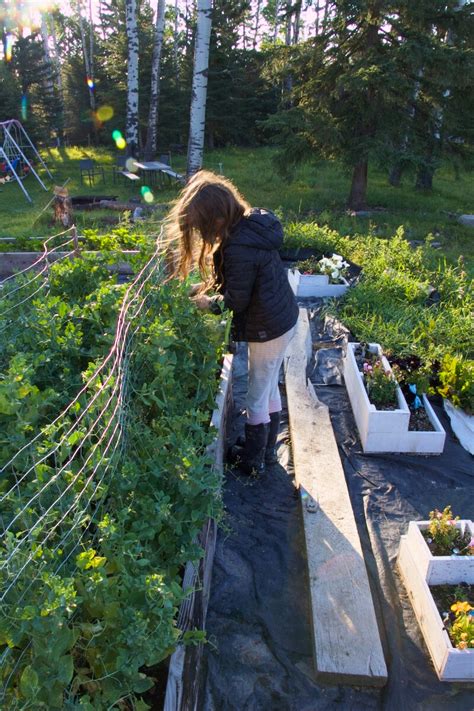
Involving children in garden chores and homestead cooking is more than just delegating tasks; it’s an investment in their development, teaching them valuable life skills, responsibility, and a profound appreciation for where their food comes from. It transforms mundane duties into exciting learning opportunities and strengthens family bonds.
Nurturing Green Thumbs: Kids in the Garden
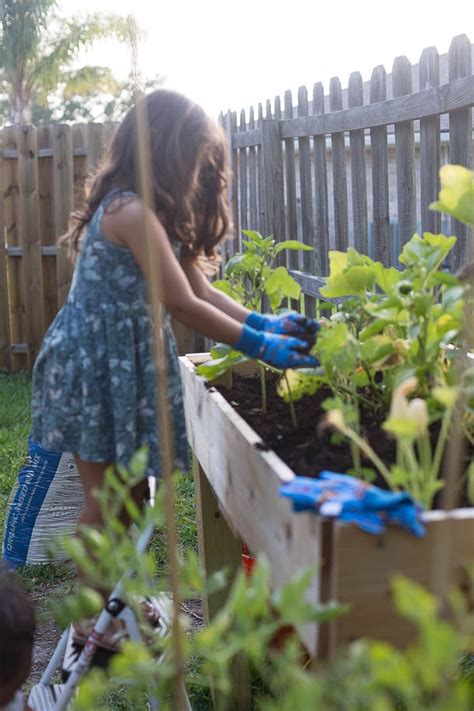
Starting young is key. Begin with simple, age-appropriate tasks that feel more like play than work. Even toddlers can help water plants with a small watering can or pick ripe berries. As they grow, their responsibilities can expand, fostering a sense of accomplishment.
Assigning a small patch of garden as ‘their own’ can ignite a child’s enthusiasm. Let them choose what to plant, whether it’s vibrant flowers or easy-to-grow vegetables like radishes or snap peas. Make it a game: who can find the wiggliest worm, or who can water the plants most gently?
Equip them with kid-sized tools – miniature shovels, gloves, and watering cans make them feel like real contributors. Use gardening as a science lesson, explaining how seeds sprout, how plants need sunlight and water, and the importance of beneficial insects.
From Garden to Table: Culinary Adventures
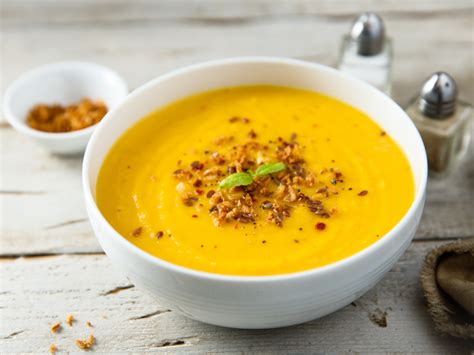
The journey doesn’t end in the garden; it continues into the kitchen. Involving kids in homestead cooking teaches them about nutrition, practical culinary skills, and the satisfaction of preparing food from scratch. Start by having them wash harvested vegetables or shell peas.
Simple cooking tasks are perfect for little hands. Children can stir ingredients for a salad, knead dough for bread, or mix dry ingredients for muffins. Emphasize safety by teaching knife skills with blunt instruments first, gradually progressing to sharper tools under strict supervision as they mature.

Let them choose a simple recipe to follow, reading the instructions aloud together. This builds literacy skills and reinforces the concept of following directions. Cooking offers countless opportunities to learn about measurements, fractions, and even chemical reactions when ingredients transform.

Making Learning Fun and Engaging
The most important ingredient in involving kids is making it fun. Turn garden tasks into treasure hunts for ripe produce or cooking into a ‘chef’s challenge.’ Celebrate their efforts, no matter how small or imperfect the outcome. A wonky carrot or a slightly lopsided cookie still represents their hard work and dedication.

Patience is paramount. Kids will make mistakes, get messy, and sometimes lose interest. Embrace the mess as part of the learning process and gently redirect their attention. The goal is not perfection, but participation and the cultivation of a lifelong love for growing and preparing food.
Cultivating Lifelong Skills and Memories
By integrating children into garden chores and homestead cooking, you’re not just teaching them how to grow food or prepare meals. You’re instilling work ethic, problem-solving skills, patience, and an understanding of sustainability. You’re also creating cherished family memories and fostering a deeper connection to nature and the sustenance it provides. These shared experiences will nourish their bodies and minds for years to come.