





Best DIY rain barrel setup for garden watering efficiency?

Why a DIY Rain Barrel is a Smart Choice
Harnessing rainwater for your garden is not just an eco-conscious decision; it’s a smart financial one. A well-designed DIY rain barrel setup can significantly reduce your water bill, provide chemical-free water for your plants, and lessen your environmental footprint. Rainwater is naturally soft and free of chlorine and other chemicals found in tap water, making it ideal for delicate plants and seedlings. Furthermore, by collecting runoff from your roof, you help reduce stormwater pollution and erosion.
Setting up your own rain barrel is a rewarding DIY project that doesn’t require extensive expertise. With the right components and a clear plan, you can create an efficient watering system that keeps your garden thriving, even during dry spells.
Essential Components for Your Rain Barrel System
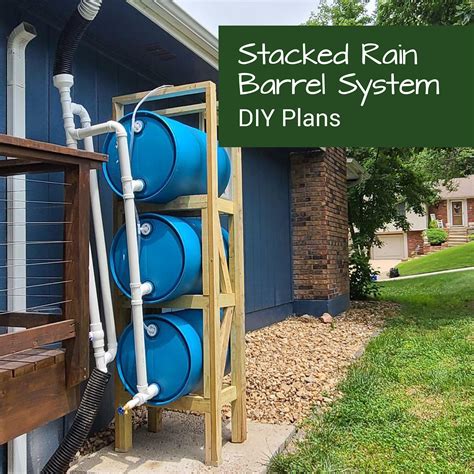
Before you begin the assembly, it’s crucial to gather all the necessary components. While there are many variations, a basic efficient system will include:
- The Rain Barrel: This can be a repurposed food-grade barrel (e.g., pickle or olive barrel), a plastic drum, or a purpose-built rain barrel. Ensure it’s opaque to prevent algae growth.
- Downspout Diverter: This device connects to your gutter’s downspout, directing water into your barrel while allowing excess to continue down the drain. It’s more efficient and cleaner than simply cutting the downspout.
- Overflow Spout/Hose: Essential for when your barrel fills up. It prevents water from overflowing around your home’s foundation and can direct excess water to another barrel or a safe drainage area.
- Spigot/Valve: A standard garden hose spigot installed near the bottom of the barrel allows easy access to the collected water.
- Sturdy Base/Stand: A full 55-gallon rain barrel can weigh over 400 pounds. A robust, level base made of concrete blocks, pavers, or a dedicated stand is crucial for stability and elevation. Elevation also provides better water pressure for gravity-fed watering.
- Screen/Mesh: Even with a diverter, a fine mesh screen over any openings (especially the inlet) will keep out debris, mosquitoes, and other pests.
Step-by-Step Guide to Setting Up Your Rain Barrel
1. Choosing the Right Barrel and Location
Select a food-grade barrel if repurposing, or purchase a dedicated rain barrel. Position your barrel near a downspout that collects a significant amount of roof runoff, ideally close to your garden for easy access. Ensure the ground beneath is level.
2. Building a Sturdy Base
Construct a solid, level base for your barrel that can safely bear its full weight. Aim for an elevation of at least 12-18 inches to provide sufficient water pressure for gravity feeding hoses or watering cans. Concrete blocks are a popular and effective choice.
3. Installing the Downspout Diverter
Follow the manufacturer’s instructions for your specific diverter. This usually involves cutting a section out of your downspout and inserting the diverter, connecting it via a flexible hose to your rain barrel’s inlet port.
4. Connecting the Barrel
Drill a hole near the top of your barrel (if not pre-drilled) for the diverter hose connection. Securely attach the hose, ensuring a watertight seal. This top inlet helps maximize barrel capacity.
5. Adding the Spigot and Overflow
Install the spigot near the bottom of the barrel for optimal water access. Use plumber’s tape and washers to ensure a leak-proof seal. Drill another hole near the top, opposite the inlet, for the overflow spout or hose. Direct this overflow away from your foundation.
Maximizing Watering Efficiency and Usage
Once your rain barrel is set up, consider these tips to get the most out of your collected water:
- Gravity-Fed Drip System: Connect a soaker hose or a simple drip irrigation kit to your spigot. The elevated barrel will provide enough pressure for slow, targeted watering directly to plant roots, minimizing evaporation.
- Connect Multiple Barrels: If one barrel isn’t enough, link several barrels together with short hoses connected near the bottom of each barrel. This creates a larger storage capacity that fills and empties simultaneously.
- Use for Seedlings and Delicate Plants: The chemical-free nature of rainwater makes it perfect for starting seeds and watering sensitive plants that can be damaged by chlorinated tap water.
- Strategic Watering Times: Water your garden in the early morning or late evening to reduce water loss due to evaporation.
Maintenance for Longevity and Performance
Regular maintenance will ensure your rain barrel system remains efficient and functional:
- Regular Cleaning: Periodically drain and clean your barrel, removing any sediment or algae buildup. A mild bleach solution (1 part bleach to 10 parts water) can be used, but rinse thoroughly before refilling.
- Check for Leaks: Inspect all connections and seals regularly and tighten or replace as needed.
- Clean Screens: Ensure the inlet screen and any other mesh covers are clear of leaves and debris to maintain proper water flow and prevent pests.
- Winterizing: In colder climates, drain your rain barrel before the first freeze. Disconnect it from the downspout and store it upside down or in a protected area to prevent ice damage.
Conclusion
A DIY rain barrel setup is a fantastic way to enhance your garden’s watering efficiency, save money, and contribute to a more sustainable environment. By carefully selecting your components, following a straightforward installation process, and performing routine maintenance, you can enjoy an abundant supply of natural, soft water for your plants for years to come. Embrace this rewarding DIY project and watch your garden flourish with the gifts from the sky!