


When to harvest & cure homegrown garlic for year-long storage?
Understanding the Right Time to Harvest
Timing is everything when it comes to harvesting garlic. Pulling your bulbs too early or too late can significantly impact their size, flavor, and, most importantly, their storage potential. The key indicators for readiness are primarily found in the plant’s foliage.
For most garlic varieties, you’ll want to watch for the lower leaves to start yellowing and drying out, while the top four to five leaves remain green. This usually occurs in late spring to mid-summer, depending on your climate, planting time, and garlic variety (hardneck or softneck).
A good rule of thumb is to harvest when about one-third to one-half of the leaves have turned yellow or brown. If you wait until all the leaves are brown, the wrappers around the bulbs may have deteriorated, leaving the cloves exposed and vulnerable to disease, thus reducing their storage life.
The Gentle Art of Harvesting
Once you’ve determined the optimal harvest window, the next step is to carefully extract the bulbs from the soil. Garlic bulbs are delicate and can be easily bruised, which can lead to rot during storage.
Avoid simply pulling the garlic stalks, especially with hardneck varieties, as this can snap the neck and leave the bulb in the ground or damage it. Instead, use a garden fork or spade to gently loosen the soil around the bulbs. Insert the tool several inches away from the plant, slowly pry upwards, and then lift the plant by its base, gently shaking off excess dirt.
It’s best to harvest on a dry, sunny day. Leave the soil clinging to the roots for now; brushing it off immediately can cause damage. Once harvested, resist the urge to wash the bulbs. Any moisture can encourage mold and disease during the curing process.

The Crucial Curing Process
Curing is a non-negotiable step for long-term garlic storage. It allows the outer wrappers to dry and tighten around the cloves, sealing in moisture and flavor while preventing spoilage. Without proper curing, your garlic will likely sprout or rot within a few weeks.
To cure your harvested garlic, find a warm (75-85°F / 24-29°C), dry, well-ventilated space that is out of direct sunlight. A garage, shed, or even a covered porch works well. You can hang the garlic in small bundles (4-6 plants) or lay them out on racks where air can circulate freely around each bulb. Ensure good airflow to prevent fungal growth.
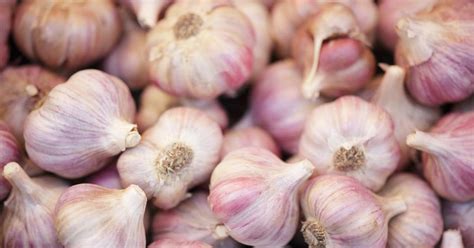
The curing process typically takes 2-4 weeks, though it can vary based on humidity and temperature. You’ll know the garlic is fully cured when the outer wrappers are papery and dry, the roots are brittle, and the neck connecting the bulb to the stalk is completely dry and firm.
Softneck vs. Hardneck Curing
While the general curing principles apply to both, there’s a slight difference in how softneck and hardneck varieties are often handled. Softneck garlic, known for its pliable stems, is ideal for braiding. Once partially cured for a few days (enough for stems to be flexible but not fully dry), you can braid the stems together, which not only looks decorative but also allows for excellent airflow during the remainder of the curing period.
Hardneck garlic, with its rigid central stalk, cannot be braided. It’s best cured by hanging in bundles or by individual bulbs. After curing, the hard stalks are often trimmed back to about an inch above the bulb.

Long-Term Storage Tips for Cured Garlic
Once your garlic is thoroughly cured, it’s time to prepare it for storage. Trim the roots back to about 1/2 inch and, for hardneck varieties, cut the stalk to about 1 inch above the bulb. For softnecks, you can leave the braided stalks intact or trim them down.
The ideal storage conditions for cured garlic are cool (50-60°F / 10-15°C), dry, and dark, with good air circulation. Avoid airtight containers or plastic bags, which can trap moisture and encourage spoilage. Mesh bags, paper bags, or open baskets are perfect. Storing garlic in a pantry, basement, or root cellar is generally effective.
Properly cured and stored garlic can last anywhere from 6 to 12 months, with some varieties storing better than others. Hardneck varieties typically store for 4-6 months, while softnecks can often last 6-9 months, or even longer under optimal conditions. Regularly check your stored garlic and remove any bulbs that show signs of sprouting, softening, or mold to prevent it from spreading.

Conclusion
Harvesting and curing homegrown garlic might seem like a meticulous process, but these crucial steps are what transform your garden bounty into a year-long supply of flavorful, potent bulbs. By paying close attention to the signs of readiness, handling your harvest with care, and providing the right curing and storage environment, you’ll be able to enjoy your own homegrown garlic long after the growing season has ended. Happy harvesting!