

What are fun ways to involve kids in garden chores & real food prep?

Engaging children in the processes of growing and preparing their own food offers a wealth of benefits, from fostering healthy eating habits and developing practical life skills to strengthening family bonds and connecting with nature. Transforming these tasks into enjoyable experiences is key to ensuring kids embrace them with enthusiasm rather than seeing them as chores.
Cultivating Green Thumbs: Making Garden Chores Fun
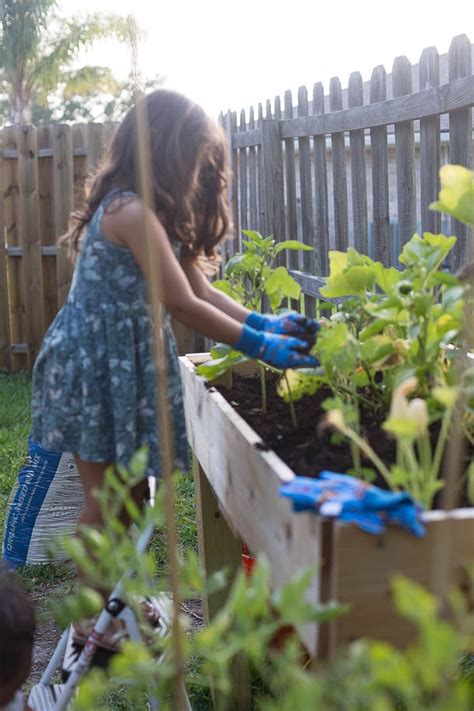
The garden is a fantastic outdoor classroom. Even the youngest children can participate in age-appropriate tasks, learning about nature and responsibility along the way. Frame gardening as an adventure, a treasure hunt, or a science experiment to spark their curiosity.
- Seed Sowing Sensations: Let kids choose seeds (easy-to-grow ones like beans, peas, or sunflowers are great). Provide child-sized tools and designate their own small patch or container. Talk about what the seeds need to grow and watch their excitement as sprouts emerge.
- Watering Wonders: A small watering can can turn watering into a delightful activity. Teach them the difference between under- and over-watering, and let them be responsible for quenching the plants’ thirst.
- Bug Patrol & Weed Warriors: Turn pest management into a detective game. Who can find the most aphids? Explain good bugs versus bad bugs. Weeding can become a “weed monster” hunt, emphasizing pulling them out by the roots.
- Harvesting Heroes: The ultimate reward! Allow children to pick ripe vegetables and fruits. The pride of harvesting something they’ve helped grow is immense and often leads to them being more willing to try new foods.
From Garden to Table: Enjoyable Food Preparation
Once the produce is harvested, the kitchen becomes the next exciting stage. Involving kids in meal preparation teaches them about nutrition, measurement, and following instructions, all while creating delicious, healthy meals together.
Start with simple, age-appropriate tasks and gradually introduce more complex ones as their skills and confidence grow. Safety is paramount, so always supervise closely and teach proper techniques.
- Washing & Cleaning Crew: Even toddlers can wash vegetables and fruits in a colander. Older kids can learn to clean greens, peel potatoes (with supervision), or shuck corn.
- Mixing & Stirring Masters: Give them a bowl and a spoon and let them mix ingredients for salads, muffins, or pancake batter. This is excellent for developing fine motor skills.
- Measuring & Pouring Pundits: Introduce measuring cups and spoons. Let them measure ingredients like flour, sugar, or liquids. This is a practical math lesson in disguise!
- Taste Testers & Recipe Creators: Encourage them to taste ingredients along the way. Involve them in deciding what to make with the harvested produce or let them help create a simple recipe.
- Table Setting & Serving Stars: Responsibility extends beyond cooking. Let them set the table, serve dishes, and even help with clean-up.

Tips for Success: Nurturing Enthusiasm
Keeping kids engaged requires patience, flexibility, and a positive attitude. Remember that the goal is participation and learning, not perfection.
- Keep it Playful: Turn tasks into games, sing songs, or tell stories.
- Age-Appropriate Tasks: Ensure tasks match their developmental stage to prevent frustration.
- Provide the Right Tools: Child-sized gardening gloves, watering cans, aprons, and kid-safe knives can make them feel more capable and included.
- Be Patient & Positive: Expect messes and slower progress. Focus on effort and enjoyment rather than perfect execution. Praise their contributions.
- Lead by Example: Show your own enthusiasm for gardening and healthy eating.
- Focus on the “Why”: Explain where food comes from, how it helps their bodies, and the joy of sharing homemade meals.
- Flexibility is Key: Not every child will love every task. Find what sparks their interest and build on that.

By transforming garden chores and food preparation into shared adventures, you’re not just growing vegetables or making meals; you’re cultivating curiosity, building confidence, and planting the seeds for a lifetime of healthy habits and cherished family memories. These aren’t just tasks; they’re invaluable life lessons wrapped in fun.