




Tips for documenting vague family recipes for consistent homemade country cooking?

The Challenge of Heirloom Recipes
There’s a special comfort that comes from a homemade country meal, often rooted in generations of family tradition. These beloved dishes, however, frequently come with recipes that are more folklore than formula – a “pinch of this,” “a little of that,” or “cook until it feels right.” While endearing, such vagueness can be a nightmare for aspiring cooks trying to replicate that exact taste and texture.
Documenting these heirloom recipes is not just about writing down ingredients; it’s about translating intuition into instruction, preserving a culinary legacy, and ensuring consistency for future feasts. It’s a rewarding detective mission that requires patience, observation, and a systematic approach.

Become a Culinary Detective
Observe and Measure Meticulously
The first and most crucial step is to spend time in the kitchen with the family cook. Watch every move. Don’t just ask for ingredients; observe their techniques, the order of operations, and any visual cues they use. Take note of how they knead, stir, or brown. If possible, have measuring cups and spoons at the ready and gently ask them to measure out quantities as they go, even if it’s just to confirm their “pinch” is actually a quarter teaspoon.
Many traditional cooks rely on muscle memory and visual assessment. Your job is to translate this into quantifiable data. What’s a “large onion”? How much flour is added “until it’s right”? By carefully measuring and weighing during a live cooking session, you can begin to assign concrete values to these elusive terms.
Ask the Right Questions
When inquiring about quantities or methods, be specific and open-ended. Instead of “How much flour?” try “Can you show me how much flour you add until it feels right?” or “What does ‘right’ look like or feel like?” Ask about the ‘why’ behind certain steps – “Why do you let it rest for exactly 10 minutes?” or “What happens if you don’t use fresh herbs?” Their answers might reveal critical details about the recipe’s integrity.
Don’t be afraid to ask about preferred brands, specific cuts of meat, or even the type of cooking vessel used. These seemingly minor details can often be crucial to the final outcome of a dish, especially in country cooking where regional ingredients and tools play a significant role.

Standardize and Systematize
Define Ingredients and Equipment
Once you have observed and gathered initial data, it’s time to standardize. Specify types of flour (all-purpose, bread, self-rising), kinds of fat (butter, lard, vegetable oil), and even the size of eggs (large, jumbo). If a recipe calls for homemade broth, include a note or a separate recipe for that. Also, document any specific equipment, such as a cast-iron skillet, a particular baking dish size, or a slow cooker setting.
Document the Process, Not Just Ingredients
Your recipe should be a step-by-step guide. Break down the cooking into logical stages: prep, cook, rest, finish. Include cooking times and temperatures, even if they were originally guesstimates. Add descriptive words for visual cues (e.g., “cook until golden brown,” “simmer until thickened to coat the back of a spoon”), smells, and textures at various stages.
Photos or short videos taken during the cooking process can be invaluable. A picture of what the dough looks like “when it’s right” or the color of a properly caramelized onion can communicate more than words alone.
Test, Tweak, and Taste
Batch Cooking for Consistency
After your initial documentation, it’s essential to cook the recipe yourself, following your newly written instructions to the letter. Don’t be discouraged if the first attempt isn’t perfect. This is where the iterative process begins. Cook it again, making small adjustments to quantities, timing, or technique. Take detailed notes about what worked and what didn’t.
Solicit Feedback
Invite family members who are familiar with the original dish to taste your version. Their feedback is invaluable for fine-tuning. Ask them what’s missing, what’s too much, or what feels different. This collaborative approach helps ensure your documented recipe truly captures the essence of the original.

Create a Living Archive
Choose Your Documentation Method
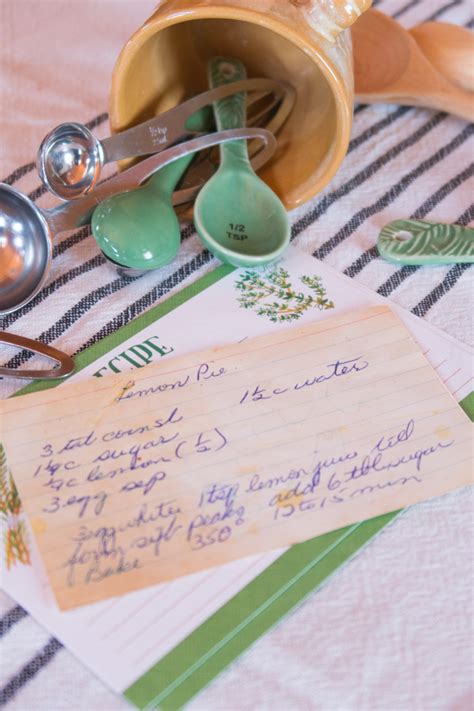
Whether it’s a beautifully handwritten recipe journal, a digital document on your computer, or a cloud-based platform, choose a method that is sustainable and accessible. Consider including photos, videos, and even audio recordings of the family cook sharing stories about the dish.
Add Context and Stories
Beyond the ingredients and steps, document the history and anecdotes associated with each recipe. Who taught whom? What special occasions was it made for? These stories add rich layers to your culinary heritage, making the recipes even more meaningful for future generations.

Preserving Culinary Heritage
Documenting vague family recipes is a labor of love that goes beyond simply writing down instructions. It’s an act of preserving history, culture, and the comforting flavors that define home. By taking the time to observe, measure, standardize, and test, you ensure that the heart of homemade country cooking beats strong for many more generations to come, creating new memories around consistent, delicious meals.