



Tips for getting kids involved in real food garden-to-table meals?

Involving children in the journey from garden to table is a wonderful way to teach them about where food comes from, encourage healthy eating habits, and create lasting family memories. It transforms mealtime into an adventure and picky eaters into enthusiastic participants. Here’s how to make it a rewarding experience for everyone.
Start Small and Simple
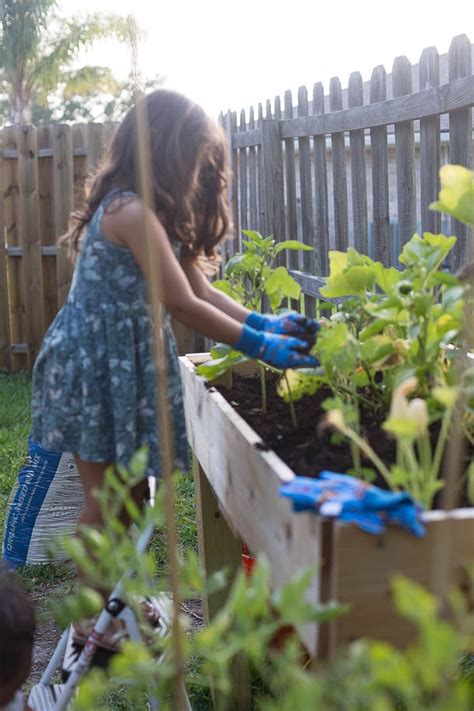
You don’t need a sprawling farm to get started. Begin with a small raised bed, a few pots on a balcony, or even just a windowsill herb garden. Choose plants that are easy to grow and yield quick results, like radishes, lettuce, cherry tomatoes, snap peas, or sunflowers. The faster they see results, the more engaged they’ll be.
Assign your child their own small section or a dedicated pot. This personal ownership can significantly boost their enthusiasm. Let them decorate their pots or label their plants with hand-drawn markers.
Involve Them from the Ground Up
Seed Selection & Planning
Take your kids to the nursery or let them browse seed catalogs with you. Allow them to choose a few things they’d like to grow, even if they’re unconventional. When kids have a say in what’s planted, they’re more likely to care for it and, ultimately, eat it.
Involve them in the garden’s layout. Draw simple maps together, discussing where each plant will go and why. This teaches them planning skills and basic botany.
Planting & Care
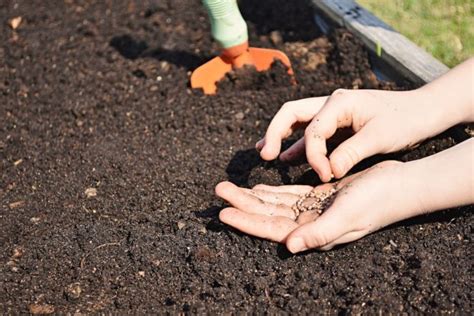
Assign age-appropriate tasks. Younger children can help dig small holes, drop in seeds, or water with a small watering can. Older kids can measure spacing, stake plants, or help with weeding. Explain why these tasks are important – why plants need water, sunlight, and space to grow.
Make tending the garden a regular routine. Daily check-ins to see growth, water plants, or look for pests can become a cherished ritual. This consistent involvement builds responsibility and a deeper connection to their food source.

Harvesting and Cooking Adventures
The Joy of Harvest
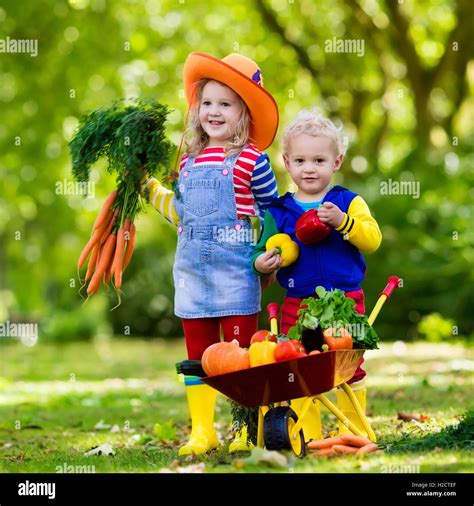
The moment of harvest is incredibly exciting for kids. Teach them how to gently pick ripe vegetables and fruits. The immediate gratification of plucking a sun-warmed tomato or a crisp bean pod from the vine is a powerful motivator. Let them wash the produce and taste it right then and there.
Kitchen Helpers
Once the harvest is in, bring them into the kitchen. Young children can wash vegetables, tear lettuce, or stir ingredients. Older kids can help with measuring, simple chopping (with supervision), or even follow a recipe. Focus on simple, fresh recipes that highlight the garden’s bounty.
Cooking with their own-grown ingredients gives children a sense of accomplishment and pride. They’re more likely to try new foods when they’ve been part of the creation process from seed to plate.
Making Mealtime Magical
At mealtime, reinforce the connection. Point out the vegetables on their plate that they helped grow. Ask them about their favorite part of the process or what they observed in the garden that day. Let them serve the dish or help set the table, making them feel like a crucial part of the entire experience.
Celebrate their efforts, even if the meal isn’t perfect. The goal is participation and appreciation, not culinary perfection. This positive reinforcement encourages a lifelong love for fresh, wholesome food.

Troubleshooting and Sustaining Enthusiasm
Embrace Imperfection
Gardening isn’t always successful. Some plants might not grow, or pests might get to them. Use these moments as learning opportunities. Teach resilience and problem-solving. It’s okay if not everything thrives; the effort and experience are what matter most.
Keep it Fun!
Introduce garden-themed books, tell stories about the plants, or play games while tending. Visit local farmers’ markets or community gardens to show them a larger scale of food production. Make it an ongoing adventure rather than a chore.

Involving kids in garden-to-table meals is more than just a summer activity; it’s an investment in their health, education, and development. It cultivates patience, responsibility, and an appreciation for nature’s bounty, turning mealtime into a joyful celebration of their hard work.