


How to successfully scale family-favorite recipes for batch cooking or canning?
The Art of Scaling: Turning Family Favorites into Feasts
There’s a special joy in sharing a cherished family recipe, but that joy can be amplified when you can prepare it in larger quantities for batch cooking or long-term preservation through canning. Scaling a recipe isn’t just about multiplying ingredients; it’s an art that requires attention to detail, understanding of proportions, and sometimes, a little culinary intuition. This guide will walk you through the essential steps to successfully transform your beloved family dishes into convenient, ready-to-enjoy meals for weeks or months to come.
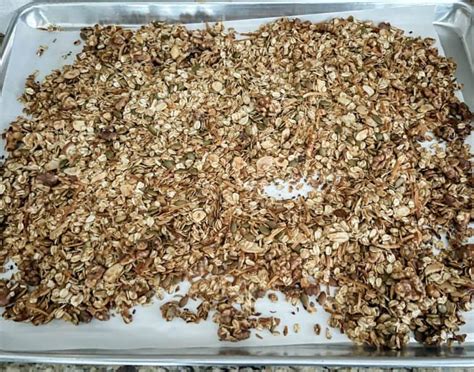
Why Scale Your Family Recipes?
The reasons to scale are as varied as the recipes themselves. Perhaps you want to save time during busy weekdays by having pre-made meals, reduce food waste by using up seasonal produce, or simply preserve a taste of home to enjoy year-round. Batch cooking provides ready-made meals, while canning extends shelf life and allows you to capture peak flavors. Both methods offer significant benefits, from cost savings to ensuring your family always has access to nutritious, homemade food.
The Math of Magnification: Understanding Proportions
The first step in scaling is often the most straightforward: multiplication. If you’re doubling a recipe, you multiply every ingredient by two. However, this simplicity can be deceiving. While most ingredients scale linearly, some do not, especially in very large batches. Always start by clearly identifying the original recipe’s yield and desired scaled yield.
Weight vs. Volume
For accuracy, especially in larger scales, measuring by weight (grams, ounces) is superior to measuring by volume (cups, tablespoons). A cup of flour can vary significantly in weight depending on how it’s packed, whereas 120 grams of flour is always 120 grams. Invest in a good kitchen scale for precise results.

Key Ingredients That Need Special Attention
Not all ingredients behave the same way when scaled. Some require a lighter touch to prevent an overpowering flavor or an undesirable texture.
Spices, Herbs, and Potent Flavorings
These are notorious for becoming overwhelming. If a recipe calls for 1 teaspoon of cayenne pepper for 4 servings, you might not want to use 5 teaspoons for 20 servings. Start with 1.5-2 times the original amount and taste, adjust, and add more if needed. It’s easier to add more than to take away.
Liquids and Thickeners
When cooking larger volumes, evaporation rates can change. You might need slightly less liquid than a direct multiplication suggests, or you might need to cook longer to reduce it. Similarly, thickeners like flour, cornstarch, or roux should be added gradually and assessed. Too much can turn your dish into a paste.
Leavening Agents (Baking Powder, Baking Soda)
For baked goods, leavening agents generally do not scale linearly in very large batches. For example, quadrupling a cake recipe may not require quadrupling the baking powder. Excessive leavening can lead to metallic tastes or structural collapse. For significant scaling, it’s often better to bake multiple smaller batches rather than one giant one.

Equipment and Workflow Considerations
Scaling a recipe also means scaling your equipment. Do you have a stockpot large enough? Enough canning jars, lids, and bands? Sufficient freezer containers? Plan your workspace to accommodate larger quantities of ingredients and cooked food. An organized workflow will make the process much smoother.
For Canning Safety
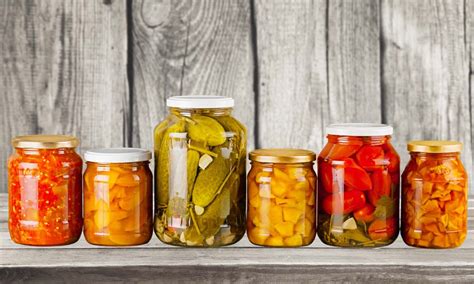
When canning, food safety is paramount. Always use tested recipes from reputable sources (like the National Center for Home Food Preservation) for processing times and acidification levels, especially for low-acid foods. If you’re adapting a family recipe for canning, ensure it meets safety guidelines, particularly regarding acidity (pH) and heat penetration. You may need to add lemon juice or vinegar to increase acidity if canning in a boiling water bath.
Testing, Tasting, and Adjusting
The most important step in scaling a recipe is to taste as you go. Make a smaller test batch with your scaled proportions before committing to the full large batch, especially for complex recipes or those you plan to can. Note down any adjustments you make to spice levels, liquids, or cooking times. This iterative process refines your scaled recipe into a new, perfected version.
Once your large batch is cooked, ensure proper cooling before portioning and storing. For batch cooking, divide into individual or family-sized portions for easy reheating. For canning, follow all sterilization and processing guidelines meticulously.
Conclusion: Embrace the Scale and Savor the Rewards
Scaling family-favorite recipes for batch cooking or canning is a rewarding endeavor that connects you to your culinary heritage while providing practical benefits. By paying attention to ingredient proportions, understanding the nuances of different components, and prioritizing safety, you can confidently turn a beloved dish into a convenient staple. Enjoy the satisfaction of a well-stocked pantry or freezer, filled with the comforting tastes of home, ready whenever hunger strikes.