



How to naturally enrich garden soil for healthier, abundant vegetables?
The Foundation of a Thriving Garden: Healthy Soil
Gardening success hinges on the vitality of your soil. Far from being inert dirt, healthy garden soil is a bustling ecosystem, teeming with life and nutrients essential for robust plant growth. Enriching your soil naturally not only leads to healthier, more abundant vegetables but also contributes to a more sustainable and resilient garden. Forget synthetic chemicals; the best way to supercharge your garden’s productivity is by nurturing the very ground it grows in.
The Cornerstone of Soil Health: Composting
Compost is often called “black gold” for a reason – it’s arguably the single most effective way to naturally enrich your garden soil. Made from decomposed organic matter, compost improves soil structure, aeration, drainage, and water retention, while slowly releasing a wide array of essential nutrients.

Regularly incorporating well-rotted compost into your garden beds provides a steady supply of organic material that feeds beneficial microbes, earthworms, and other soil organisms, creating a living soil matrix that supports vigorous plant growth. You can start a backyard compost pile with kitchen scraps, yard waste, and shredded paper, turning what might be considered waste into a valuable resource for your garden.
Green Manures: The Power of Cover Crops
When garden beds are left bare, they’re susceptible to erosion and nutrient loss. Cover crops, also known as green manures, are plants grown specifically to benefit the soil rather than for harvest.

Sown in off-seasons or between main crops, cover crops like clover, vetch, rye, or buckwheat offer numerous advantages:
- They protect the soil surface from harsh weather.
- Their roots prevent soil compaction and bring up nutrients from deeper soil layers.
- Nitrogen-fixing cover crops (like legumes) add this crucial nutrient directly to the soil.
- When tilled into the soil or ‘chop-and-dropped,’ they decompose, adding valuable organic matter.
Nourishing with Organic Fertilizers and Amendments
While compost provides broad nutrition, specific organic amendments can target particular needs or boost overall fertility.

Consider these options:
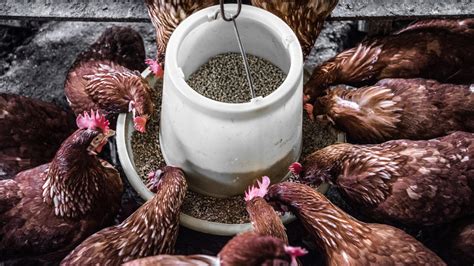
- Aged Manure: From herbivores like cows, horses, or chickens, aged manure is rich in nitrogen and other nutrients. Always ensure it’s well-composted or aged to prevent burning plants or introducing weed seeds.
- Worm Castings: An incredibly potent and gentle fertilizer, worm castings (vermicompost) are packed with beneficial microbes and plant-available nutrients.
- Bone Meal: A slow-release source of phosphorus, essential for root development and flowering.
- Blood Meal: Provides a quick boost of nitrogen for leafy growth.
- Kelp Meal: Offers a broad spectrum of trace minerals and plant growth hormones.
- Alfalfa Meal: Another excellent all-around fertilizer, rich in nitrogen, phosphorus, and potassium, plus trace minerals.
Remember to test your soil regularly to understand its specific nutrient deficiencies before applying targeted amendments.
Embrace No-Dig Gardening and Mulching
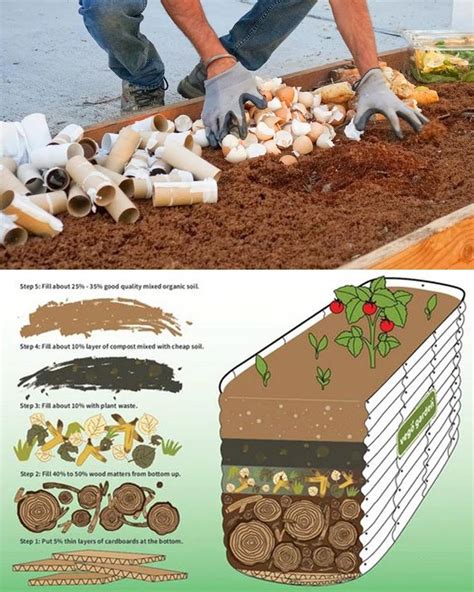
Minimizing soil disturbance is key to maintaining a healthy soil structure and protecting the intricate web of microbial life beneath the surface. No-dig gardening involves building up layers of organic matter on top of the soil rather than tilling it in. This approach encourages earthworms and other organisms to do the aeration work naturally.

Mulching, a crucial component of no-dig, involves covering the soil surface with a layer of organic material like straw, wood chips, shredded leaves, or grass clippings. Mulch offers multiple benefits:
- Suppresses weeds.
- Retains soil moisture, reducing watering needs.
- Moderates soil temperature.
- Decomposes over time, continually adding organic matter and nutrients to the soil.
The Role of Crop Rotation
Rotating where you plant specific vegetable families each season is a time-honored practice that significantly benefits soil health and plant vitality. Different plants have varying nutrient requirements and are susceptible to different soil-borne pests and diseases.
By rotating crops (e.g., following heavy feeders with light feeders or nitrogen fixers), you:
- Prevent the depletion of specific nutrients in one area.
- Break pest and disease cycles that can build up in the soil.
- Improve overall soil fertility and structure over time.
A common rotation might involve following a legume (nitrogen fixer) with a leafy green (nitrogen lover), then a root crop, and finally a fruiting crop.
Conclusion
Nourishing your garden soil naturally is a continuous process, a commitment to ecological gardening principles that pays dividends in vibrant, productive plants. By consistently incorporating compost, utilizing cover crops, applying organic amendments, adopting no-dig practices, and rotating your crops, you’re not just feeding your plants – you’re building a resilient, living ecosystem that will sustain your garden for years to come, yielding bountiful harvests of delicious, healthy vegetables. Embrace these methods, and watch your garden thrive.