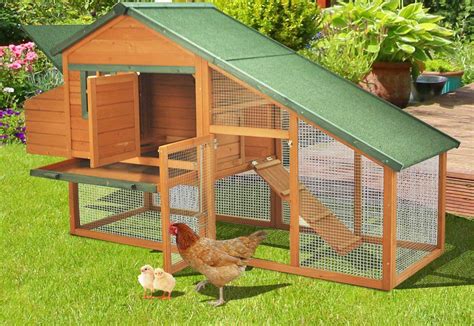





DIY chicken coop: affordable, predator-proof designs?

Why Build Your Own Chicken Coop?
Embarking on a DIY chicken coop project offers numerous benefits beyond the satisfaction of creating something with your own hands. Firstly, it’s a fantastic way to save money, as pre-built coops can be surprisingly expensive. Secondly, it allows for complete customization, ensuring the coop perfectly suits your flock’s size, your backyard’s layout, and your aesthetic preferences. Most importantly, building it yourself gives you direct control over its security features, which is paramount for protecting your feathered friends from common predators.
Essential Considerations for an Affordable Design
Building an affordable chicken coop starts with smart material selection and simple, efficient designs. Repurposed materials are your best friend here. Old pallets, reclaimed lumber, discarded shed components, and even sturdy crates can form the backbone of your coop. Look for free or low-cost materials on local marketplaces, construction sites (with permission), or from friends and neighbors clearing out their garages.
Simple designs like A-frames, basic rectangular shed-style coops, or even mobile chicken tractors require fewer cuts and less complex joinery, reducing both material waste and construction time. Focus on structural integrity rather than elaborate aesthetics when budget is a primary concern. A solid, functional coop can always be beautified later.

Mastering Predator-Proofing for Your Flock
A chicken coop is only as good as its ability to protect its inhabitants. Predators like raccoons, foxes, coyotes, weasels, and even determined stray dogs pose a constant threat. Effective predator-proofing requires a multi-layered approach:
- Strong Wire Mesh: Ditch the flimsy chicken wire. Predators can chew through it or push it aside. Invest in 1/2-inch or 1/4-inch hardware cloth, which is galvanized, sturdy, and virtually impossible for most predators to penetrate.
- Burying a Wire Skirt: Bury hardware cloth at least 12-18 inches deep around the perimeter of your coop and run, extending outward about 12 inches. This prevents digging predators from tunneling underneath.
- Secure Latches and Locks: Raccoons are notoriously clever. Use sturdy, predator-proof latches, carabiners, or even double-locking mechanisms on all doors and access points. Spring-loaded bolts are often not enough.
- Solid Floor or Raised Design: A solid wooden floor or a coop raised several feet off the ground minimizes entry points from below. If using an open-bottom design, ensure the ground beneath is fully secured with buried hardware cloth.
- Robust Roofing: The roof must be impervious to predators and weather. Plywood covered with roofing shingles or corrugated metal panels are excellent choices. Ensure no gaps exist where a predator could squeeze through.
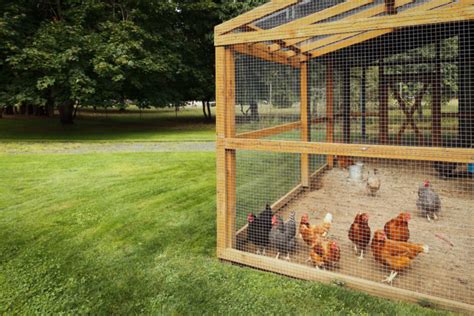
- Enclosed Run: The outdoor run should also be fully enclosed with hardware cloth, including the top, to protect against aerial predators like hawks and owls.
Affordable & Predator-Proof Design Ideas
1. The Pallet Coop
Pallets are a fantastic free resource. Disassemble them carefully to salvage sturdy lumber for framing and siding. With proper planning, you can construct a solid, small-to-medium-sized coop. Reinforce all pallet wood connections, and line the entire structure (inside and out) with hardware cloth for ultimate protection. Use a durable roof material like corrugated metal or leftover shingles.
2. The A-Frame Coop
An A-frame design is simple to build, uses less material for its footprint, and inherently sheds rain and snow well. The steep sides make it harder for climbing predators to get a foothold. Incorporate a raised floor, secure nesting boxes, and a sturdy, hardware cloth-enclosed run extending from one end.

3. The Chicken Tractor (Mobile Coop)
A chicken tractor is a movable, bottomless coop that allows your chickens to forage fresh ground daily. While it offers excellent natural pest control and fertilization, its portability means its predator-proofing needs to be robust. The entire structure, including the top, must be covered in hardware cloth. Ensure any movable parts are securely latched when stationary, and consider adding a buried wire skirt around its resting place at night if predators are persistent in your area.

4. Upcycled Shed Conversion
If you have an old shed or playhouse, converting it into a coop can be incredibly cost-effective. Focus on reinforcing its existing structure, replacing any flimsy walls or windows with hardware cloth or solid wood, and ensuring all doors are predator-proof. Add proper ventilation, roosting bars, and nesting boxes inside. The existing roof and solid walls provide a great head start on security.
Beyond the Build: Interior & Maintenance
Once the structure is predator-proof and affordable, focus on the interior. Ensure good ventilation to prevent respiratory issues, provide adequate roosting bars for your flock to sleep on, and install easily accessible nesting boxes. Design for easy cleaning with large access doors or removable trays. Regular inspection of your coop for any weak points, loose wire, or compromised latches is crucial for long-term security. With careful planning and execution, your DIY chicken coop will provide a safe, comfortable, and affordable home for your happy hens.