




Tips for a perfectly flaky pie crust using lard from scratch?

Unlocking the Secret to a Flaky Lard Pie Crust
There’s a reason why traditional bakers swear by lard for their pie crusts: it delivers an unparalleled flakiness and tender texture that butter, while delicious, simply can’t always match. If you’re ready to elevate your pie game, mastering the art of a lard-based crust from scratch is a journey worth taking. Forget store-bought and embrace the magic of a truly perfect foundation for your sweet and savory fillings.

The Superiority of Lard: Why It Works Wonders
Lard, specifically rendered pork fat, boasts a higher melting point than butter, which is the key to its flakiness. As the pie bakes, the lard slowly melts, releasing steam and creating pockets of air between the layers of gluten in the flour. This process results in those desirable, delicate flakes that practically melt in your mouth. Additionally, lard imparts a subtle richness without an overpowering flavor, letting your filling shine.
Choosing the Right Lard
For the best results, seek out leaf lard – the fat from around the pig’s kidneys. It has the most neutral flavor and the creamiest texture. If leaf lard isn’t available, good quality rendered pork lard (often found in blocks or tubs in the baking aisle) will also work. Just ensure it’s unhydrogenated for the purest results.
Essential Ingredients and Their Roles
- All-Purpose Flour: The structure. Don’t overmix!
- Cold Lard: Cut into small pieces, kept very cold to prevent premature melting.
- Salt: Enhances flavor and balances sweetness.
- Ice Water: Crucial for hydration without warmth. The colder, the better.
Mastering the Technique for Ultimate Flakiness
Keep Everything COLD
This cannot be stressed enough. Cold ingredients prevent the lard from fully incorporating into the flour, which is exactly what you want for those distinct flakes. Chill your flour, your bowl, your pastry blender, and especially your lard. Some even go so far as to chill the rolling pin!
Cutting in the Lard
Cut your very cold lard into 1/2-inch to 1-inch pieces. Using a pastry blender, your fingertips, or a food processor (pulsing sparingly), cut the lard into the flour mixture until it resembles coarse meal with some pea-sized pieces remaining. These larger pieces are critical for flakiness.
Adding Ice Water Gradually
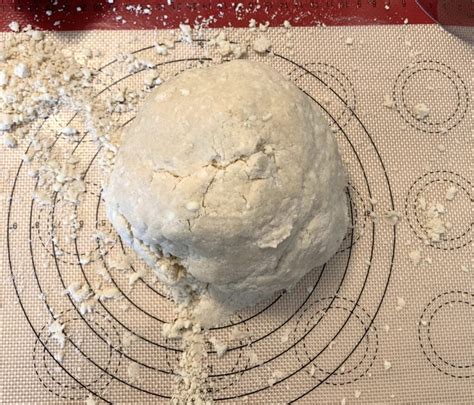
Slowly add ice water, one tablespoon at a time, mixing gently with a fork or your hands just until the dough comes together. Avoid overworking the dough, as this develops gluten, making the crust tough. You want it just barely cohesive enough to form a ball. The exact amount of water can vary based on humidity, so trust your judgment.
The Crucial Chill Time
Once your dough is formed into a disc (or two discs for a double crust pie), wrap it tightly in plastic wrap and refrigerate for at least 30 minutes, but ideally 1-2 hours. This resting period allows the gluten to relax, makes the dough easier to roll, and firm up the lard, preventing it from melting too quickly during rolling.

Rolling Out with Care
Lightly flour your work surface and rolling pin. Roll the chilled dough from the center outwards, rotating it frequently to prevent sticking and ensure an even thickness. If the dough starts to feel warm or sticky, pop it back into the fridge for 10-15 minutes. Handle it as little as possible.

Baking for Perfection
For a truly crisp bottom crust, especially with wet fillings, consider blind baking. Line your pie crust with parchment paper and fill with pie weights, dried beans, or rice. Bake for 15-20 minutes, then remove the weights and parchment and continue baking for another 5-10 minutes until lightly golden. This pre-baking step helps set the crust and prevents sogginess.
Conclusion: Embrace the Flaky Journey
Making a perfectly flaky pie crust with lard is more about technique and patience than complex ingredients. By keeping everything cold, handling the dough minimally, and allowing proper chilling time, you’ll unlock the secret to a crust that’s tender, rich, and undeniably flaky. Your pies will thank you, and your taste buds will rejoice!