



Picky eaters: How to get kids to love garden veggies?

Getting kids to eat their vegetables can often feel like an uphill battle, especially when they come face-to-face with a plate of unfamiliar greens. However, cultivating a love for garden veggies is not an impossible dream. By involving children in the entire process, from seed to plate, and by making healthy eating an enjoyable adventure, parents can turn picky eaters into enthusiastic vegetable fans.
Involve Them From the Start: The Garden Connection
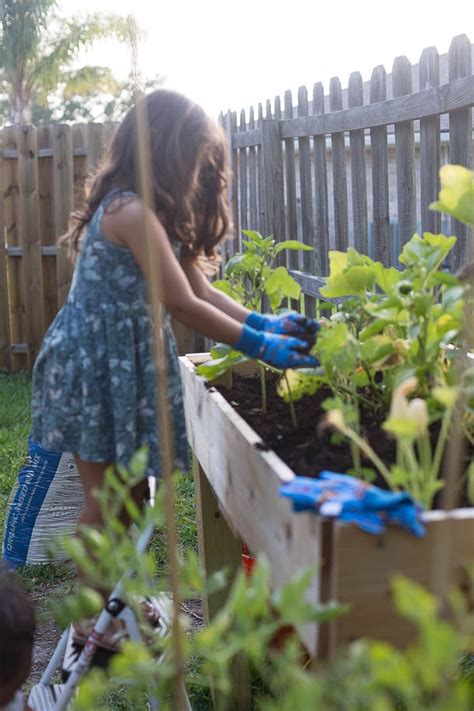
One of the most powerful tools in your arsenal is the garden itself. When children help plant seeds, water sprouts, and watch their food grow, they develop a sense of ownership and curiosity. This hands-on experience demystifies vegetables and connects them to a tangible, exciting process.
Let them choose some of the vegetables to grow, even if it’s just a small pot of cherry tomatoes or a few snap peas. The act of nurturing something from the earth often translates into a willingness to try the fruits (or vegetables!) of their labor. They’re more likely to taste what they’ve helped produce.

Make It Fun and Creative: Play With Your Food
Presentation matters, especially for kids. Transform veggies into fun shapes using cookie cutters, arrange them into colorful faces on a plate, or create a ‘rainbow’ snack board with different colored vegetables. Give them silly names like ‘crunchy dinosaur trees’ for broccoli or ‘power pellets’ for peas.
Involve them in the kitchen by letting them wash vegetables, tear lettuce for salads, or stir ingredients. When they participate in preparing meals, they’re more invested in eating them. Experiment with different cooking methods – roasting can bring out a natural sweetness in many vegetables that boiling might wash away.

Be a Role Model and Patient: The Power of Example
Children learn by watching. If they see you enjoying a variety of vegetables with enthusiasm, they are more likely to emulate your behavior. Eat your own veggies, talk about how delicious and healthy they are, and don’t make a big fuss if your child initially refuses a new food.
Patience is key. It can take multiple exposures (sometimes 10-15 tries!) for a child to accept a new food. Offer small portions, don’t force them to eat it, and present it again on another day. Creating a positive and stress-free mealtime environment is crucial. Avoid power struggles over food.

The Power of Persistence and Positive Reinforcement
Keep offering a variety of vegetables consistently, even if they’ve been rejected before. Introduce one new vegetable at a time alongside familiar favorites. Praise their efforts when they try a new food, even if they only take a tiny bite. Focus on positive language rather than negative.
Consider ‘dips’ as a gateway. Healthy dips like hummus, guacamole, or a yogurt-based dressing can make raw or lightly steamed vegetables more appealing. The fun of dipping often encourages them to try the vegetable itself.

Sneaky Veggies and Smoothies: The Art of Disguise
While the goal is to get kids to love visible vegetables, there’s no harm in being a little ‘sneaky’ sometimes. Grate carrots or zucchini into muffins, pasta sauces, or meatballs. Blend spinach into fruit smoothies – the fruit often masks the flavor and color surprisingly well. Sweet potato puree can enrich mac and cheese, adding nutrients without altering the taste significantly.
These methods can boost their nutrient intake while they slowly become more comfortable with the taste and texture of various vegetables in their whole form. Eventually, they might even ask for a spinach smoothie openly!

Transforming picky eaters into garden veggie enthusiasts is a journey, not a sprint. By engaging them in the growing process, making mealtime fun, leading by example, and being patient and persistent, you can foster a lifelong appreciation for healthy, delicious vegetables right from your garden.