




How to easily substitute farm-fresh ingredients in classic country recipes?

Classic country recipes evoke a sense of comfort and tradition, often relying on staple ingredients. However, to truly elevate these dishes and embrace the best of seasonal eating, incorporating farm-fresh ingredients is a game-changer. This guide will walk you through simple, effective ways to substitute these vibrant, nutrient-rich components into your favorite heritage dishes, enhancing their flavor and bringing new life to old classics.
Understanding the Farm-Fresh Advantage
Farm-fresh ingredients aren’t just about taste; they offer superior nutritional value, are often picked at peak ripeness, and support local agriculture. When you swap a store-bought item for its farm-fresh counterpart, you’re investing in flavor, health, and community. The challenge lies in knowing how to seamlessly integrate them without altering the fundamental character of your beloved country recipes.
General Principles for Smart Substitution
Successful substitution hinges on understanding the role an ingredient plays in a recipe: its flavor profile, texture, moisture content, and acidity.
1. Focus on Flavor & Texture Matching: Try to match the primary flavor (sweet, savory, earthy) and texture (crunchy, creamy, fibrous) as closely as possible. For instance, if a recipe calls for starchy potatoes, another starchy root vegetable like parsnips or sweet potatoes might work.
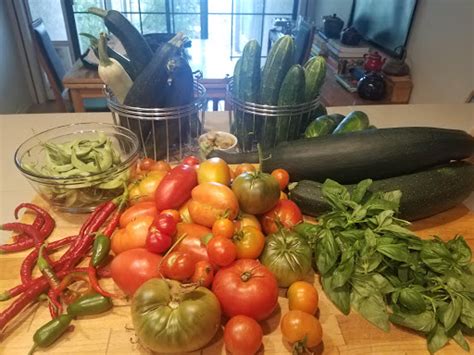
2. Consider Moisture & Water Content: Farm-fresh produce can have higher water content. If substituting, say, a very juicy heirloom tomato for a firmer plum tomato, you might need to adjust cooking times or liquid amounts, especially in baked goods or sauces.
3. Seasonality is Key: Embrace what’s in season at your local farm. Don’t force a substitution if the farm-fresh option isn’t available or suitable. Let the seasons guide your choices, making the most of peak flavor.
Common Substitutions in Action
Let’s explore some specific ingredient categories where farm-fresh swaps shine:
Vegetables
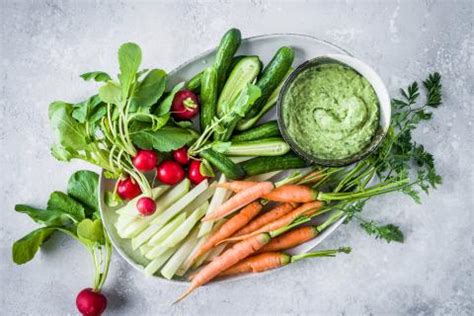
Root Vegetables: If a recipe calls for standard carrots, try substituting with multi-colored heirloom carrots or parsnips for a sweeter, more complex flavor. For potatoes, explore different varieties like Yukon Gold or red bliss for distinct textures in mashes or roasts. Swap standard onions for sweeter Walla Walla or pungent red onions depending on the dish’s needs.
Leafy Greens: Instead of iceberg lettuce in a salad, use crisp romaine, butter lettuce, or mixed greens from the farm. For cooked greens, power up your collards or spinach dishes with nutrient-dense kale or Swiss chard. Remember to wash farm-fresh greens thoroughly as they often contain more soil.
Fruits
Berries & Stone Fruits: Elevate your pies, cobblers, and jams by using peak-season strawberries, blueberries, raspberries, peaches, or plums directly from the farm. Their intense sweetness and ripeness often mean you can reduce added sugar in the recipe. For apples, choose varieties known for baking, like Honeycrisp or Granny Smith, that hold their shape well.
Melons: Replace less flavorful store-bought melons with intensely sweet cantaloupe or watermelon, perfect for fruit salads or refreshing side dishes.
Herbs & Aromatics
Fresh herbs from the farm have an unparalleled aroma and potency compared to dried or even packaged supermarket herbs. If a recipe calls for dried herbs, use three times the amount of fresh herbs. For fresh herbs, consider substituting varieties within the same family – flat-leaf parsley for curly parsley, or different types of basil for nuanced flavor. Farm-fresh garlic and onions are often more pungent, so you might use slightly less or enjoy the heightened flavor.
Dairy & Eggs
While not ‘substitutions’ in the same vein, using farm-fresh eggs, milk, and cheese can significantly impact the final product. Farm eggs often have richer yolks and better flavor, enhancing baked goods and custards. Artisan cheeses made with local milk can transform a simple macaroni and cheese or a gratin into a gourmet experience. Look for local dairies and creameries at your farmers market.

Tips for Seamless Integration
1. Taste as You Go: Farm-fresh ingredients can vary in intensity. Always taste your dish as you cook and adjust seasonings accordingly.
2. Don’t Be Afraid to Experiment: The beauty of farm-fresh cooking is discovery. Try a small batch first if you’re unsure about a substitution.
3. Keep it Simple: Sometimes the best way to showcase a beautiful farm-fresh ingredient is to let it shine with minimal intervention. A simple roast or sauté can highlight its natural flavor.
4. Plan Your Meals Around What’s Available: Instead of sticking rigidly to a recipe list, visit your farmers market first and let the bounty inspire your meal planning.
Conclusion
Incorporating farm-fresh ingredients into classic country recipes is a rewarding culinary journey. It’s about respecting tradition while embracing the vitality and flavor of local, seasonal produce. With a little creativity and an understanding of ingredient properties, you can effortlessly transform your favorite comfort foods into extraordinary meals that are both delicious and deeply connected to the land. Happy cooking!