



Simple backyard composting tips for rich garden soil?

Unlock Your Garden’s Potential with Simple Backyard Composting
Transforming kitchen scraps and yard waste into nutrient-rich compost is one of the most rewarding and environmentally friendly practices for any gardener. Not only does composting enrich your soil, leading to healthier plants and bountiful harvests, but it also significantly reduces landfill waste. If you’ve been hesitant to start, fear not – backyard composting is much simpler than you might imagine. Let’s dig into some easy tips to get you started on your journey to creating black gold for your garden.
1. Choose the Right Spot and Container
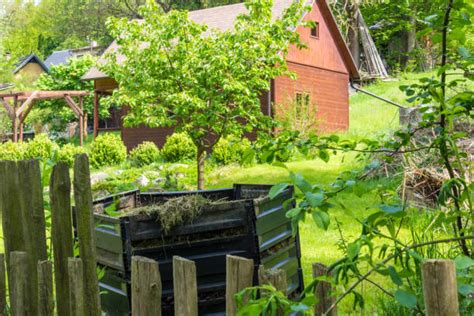
The first step is selecting an ideal location for your compost pile or bin. Look for a partially shaded spot in your backyard that’s well-drained and easily accessible. Avoid areas directly against your house or where it might attract pests. As for containers, you have several options: a simple three-sided bin made from pallets, a store-bought tumbler, or even just an open pile if you have ample space. Tumblers are great for quick composting and deterring pests, while open piles offer simplicity for larger volumes of waste.
2. Understand the Green-Brown Ratio
The secret to successful composting lies in balancing “greens” and “browns.”
- Greens: These are nitrogen-rich materials like fruit and vegetable scraps, coffee grounds, tea bags, fresh grass clippings, and garden trimmings. They provide moisture and heat.
- Browns: These are carbon-rich materials such as dry leaves, shredded newspaper, cardboard (unwaxed), straw, wood chips, and small twigs. They provide aeration and structure.
Aim for a ratio of roughly two parts browns to one part greens. This balance helps the decomposition process proceed efficiently without becoming too wet and smelly (too many greens) or too dry and slow (too many browns).
3. What to Avoid Composting
While many organic materials can be composted, some items should be kept out of your pile to prevent pests, odors, and disease transmission:
- Meat, bones, and dairy products (attract pests, create odors)
- Oily foods and grease (attract pests, slow decomposition)
- Diseased plants (can spread pathogens to your garden)
- Pet waste (can contain harmful pathogens)
- Weeds that have gone to seed (can spread weeds)
- Chemically treated wood (introduces toxins)
4. Maintain Moisture and Aeration
Your compost pile needs to be moist, like a wrung-out sponge, and well-aerated. If it’s too dry, decomposition will slow down. If it’s too wet, it can become anaerobic and produce foul odors. Add water if it feels dry, especially during hot, dry spells. Regularly “turn” your compost pile with a pitchfork or by rotating a tumbler. Turning introduces oxygen, speeds up decomposition, and ensures even heating. Aim to turn it every week or two, or whenever you add a significant amount of new material.

5. Layering and Chopping for Success
When adding new materials, try to layer them – a layer of browns, then a layer of greens, and so on. This helps achieve the ideal green-brown ratio more easily. Chopping larger materials into smaller pieces will also significantly accelerate the composting process. Smaller pieces have more surface area for microbes to work on, leading to faster breakdown.
6. Know When Your Compost is Ready
Patience is a virtue in composting, but how do you know when your “black gold” is ready? Mature compost will be dark brown, crumbly, and have an earthy smell. You won’t be able to distinguish the original materials that went into it. Depending on the size of your pile, materials, and maintenance, this process can take anywhere from two months to a year. Once ready, it’s perfect for enriching garden beds, top-dressing plants, or mixing into potting soil.

Enjoy the Rewards of Your Efforts
Starting a backyard compost system is an incredibly rewarding endeavor that benefits both your garden and the environment. By following these simple tips, you’ll soon be enjoying healthier, more vibrant plants and contributing to a more sustainable lifestyle. Embrace the cycle of nature in your own backyard and watch your garden thrive!