



Naturally deter garden pests from organic vegetable beds?
Embracing Nature’s Solutions for Pest-Free Organic Gardens
Maintaining a thriving organic vegetable garden often comes with the challenge of managing unwelcome insect visitors. While chemical pesticides offer a quick fix, they harm beneficial insects, soil health, and can contaminate your harvest. Fortunately, a wealth of natural strategies exists to protect your organic vegetable beds, working in harmony with nature rather than against it.
The key to successful natural pest deterrence lies in understanding the ecosystem of your garden and implementing preventative measures. By creating a balanced environment, you can significantly reduce pest populations and encourage a vibrant, productive growing space.

The Power of Companion Planting
One of the oldest and most effective natural pest control methods is companion planting. Certain plants, when grown together, can deter pests, attract beneficial insects, or improve the growth of their neighbors. For instance, marigolds are well-known for repelling nematodes and other soil pests with their roots, while their strong scent deters flying insects like whiteflies and aphids.
Basil can deter tomato hornworms and flies, making it an excellent companion for tomatoes. Nasturtiums act as a trap crop, drawing aphids away from other vegetables, and can also deter squash bugs and cucumber beetles. Herbs like mint, rosemary, and thyme can confuse pests with their strong aromas, masking the scent of desirable crops.
Strategic Plant Groupings
- Marigolds & Tomatoes: Deters nematodes and other soil pests.
- Basil & Tomatoes: Repels hornworms and flies.
- Nasturtiums & Squash/Cucumbers: Acts as a trap crop for aphids and deters squash bugs.
- Alliums (onions, garlic) & Carrots/Lettuce: Deters aphids, slugs, and carrot rust flies.
- Rosemary & Cabbage/Beans: Repels cabbage moths and bean beetles.

Fostering a Healthy Garden Ecosystem
A truly organic garden is a diverse ecosystem where beneficial insects play a crucial role in keeping pest populations in check. Ladybugs, lacewings, and hoverflies are voracious predators of aphids and other soft-bodied pests. Parasitic wasps target caterpillars and other insect larvae. To attract these garden allies, plant nectar-rich flowers like dill, fennel, calendula, sunflowers, and cosmos.
Beyond attracting beneficials, good garden hygiene is paramount. Regularly remove weeds, which can harbor pests and diseases, and clear away plant debris at the end of the season. This eliminates overwintering sites for many garden foes. Crop rotation is also vital, preventing pests and diseases specific to certain plant families from building up in the soil.

Physical Barriers and Manual Control
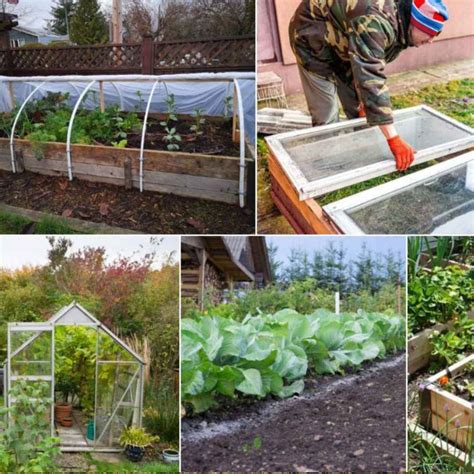
Sometimes, the simplest solutions are the most effective. Physical barriers can prevent pests from ever reaching your plants. Fine mesh row covers, for example, can protect young seedlings from flea beetles, cabbage worms, and squash bugs while still allowing light and water through. Ensure the edges are securely buried to prevent pests from crawling underneath.
Hand-picking is another tried-and-true method, especially for larger pests like slugs, snails, tomato hornworms, and Colorado potato beetles. Regularly inspect your plants, especially the undersides of leaves, and remove any pests you find. A simple bucket of soapy water is an excellent receptacle for collected pests.
DIY Organic Sprays and Solutions
For more localized outbreaks, organic sprays can offer targeted relief. Neem oil, derived from the neem tree, is a natural insecticide, fungicide, and miticide that disrupts pest feeding and reproduction. Mix it according to package directions and apply it in the early morning or late evening to avoid harming beneficial insects.
A simple insecticidal soap spray (made with mild liquid soap and water) can effectively smother soft-bodied insects like aphids, spider mites, and whiteflies. Always test any spray on a small section of the plant first to ensure there’s no adverse reaction.

Building Soil Health for Resilient Plants
Ultimately, the best defense against pests is a strong, healthy plant. Plants grown in nutrient-rich, well-draining soil are more vigorous and better equipped to resist pest attacks. Focus on building your soil with organic matter like compost and well-rotted manure. Healthy soil fosters a thriving microbial community that supports plant roots and nutrient uptake.
Proper watering and appropriate fertilization (using organic amendments) also contribute to plant health. Avoid over-fertilizing with nitrogen, which can lead to lush, tender growth that is particularly attractive to sap-sucking pests.
Conclusion
Protecting your organic vegetable beds from pests doesn’t require harsh chemicals. By implementing a multi-faceted approach that includes companion planting, fostering beneficial insects, employing physical barriers, using organic sprays judiciously, and prioritizing soil health, you can cultivate a robust and productive garden. Embrace these natural methods, and you’ll find your garden thriving in a sustainable and eco-friendly way, yielding delicious, chemical-free produce for years to come.