





How can I best adapt heirloom recipes to use abundant seasonal garden produce?

Your garden is overflowing, and while the harvest is a delight, the sheer volume of seasonal produce can sometimes feel daunting. At the same time, you cherish those time-honored heirloom recipes passed down through generations. The good news is that these two culinary worlds don’t have to be separate; with a few thoughtful strategies, you can skillfully adapt your family’s favorite dishes to incorporate your garden’s bounty, creating meals that are both fresh and deeply traditional.
Understanding Your Heirloom Recipe’s Core
Before you start swapping ingredients, take a moment to analyze your heirloom recipe. Identify the core components that define its character: the main protein, starches, or foundational flavors. Then, distinguish these from ingredients that are more flexible. For instance, in a rich beef stew, the beef and key spices are non-negotiable, but the vegetables (carrots, potatoes, celery) can often be varied. What flavor profile does the original recipe aim for – savory, sweet, tangy, earthy? Understanding this will guide your substitutions.
Consider the role each ingredient plays. Is it for texture (crisp, tender, creamy)? Flavor (sweetener, acidity, bitterness)? Or simply bulk? Preserving the intended texture and primary flavor notes is crucial for maintaining the essence of the heirloom dish, even with new additions.
Matching Seasonal Produce to Dishes
The key to successful adaptation lies in smart substitutions. Look for seasonal produce that offers a similar flavor profile, texture, or moisture content to the ingredient you’re replacing or supplementing. For example, if a recipe calls for bell peppers, but your garden is bursting with zucchini, consider how zucchini’s milder flavor and higher water content will affect the dish. Can you roast the zucchini first to reduce moisture and intensify flavor?
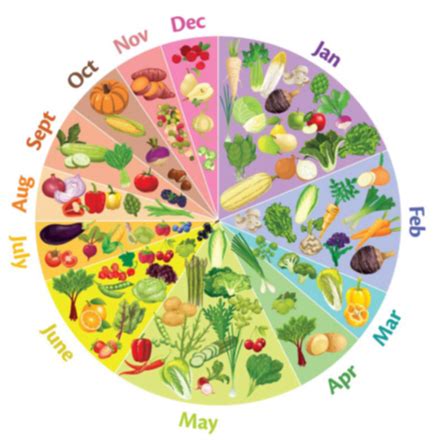
Think about the season’s offerings: late spring brings tender greens and peas; summer offers tomatoes, berries, and squash; fall provides hearty root vegetables and apples. Don’t be afraid to experiment with lesser-used varietals from your garden – a purple green bean might work just as well as a common one in a casserole, adding visual appeal.
Techniques for Successful Adaptation
When introducing new ingredients, start small. Replace a portion of the original ingredient rather than the entire amount to test how it integrates. Taste as you go, especially with fresh herbs or more intensely flavored vegetables. Remember that fresh, seasonal produce often has a more vibrant flavor than its store-bought counterparts, so you might need less seasoning.
Adjust cooking times and liquid content carefully. Vegetables like zucchini or mushrooms release a lot of water, which might thin out sauces or make baked goods soggy. Consider pre-sautéing or roasting watery vegetables to remove excess moisture before adding them to the main dish. Conversely, drier vegetables might require a little extra broth or oil.

Embrace complementary flavors. Many heirloom recipes rely on classic flavor pairings. When adding new produce, think about what herbs and spices will enhance its natural taste while still harmonizing with the original recipe. A touch of fresh basil can brighten a tomato-based dish, while rosemary pairs beautifully with root vegetables. Don’t shy away from adding fresh garlic or onions if they fit the profile.

Practical Examples and Considerations
Let’s consider a few common heirloom dishes. A classic chicken pot pie could easily incorporate sautéed garden peas, green beans, or even diced summer squash alongside the traditional carrots and potatoes. A grandmother’s beloved apple pie could become a mixed berry and apple pie if your berry bushes are prolific. For pasta sauces, grated zucchini or finely chopped eggplant can disappear into a rich tomato base, boosting nutrition and utilizing your harvest without drastically altering the flavor.
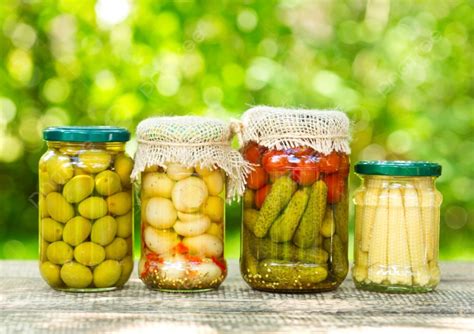
What if you have too much produce to use fresh? Canning, freezing, or dehydrating your garden’s abundance allows you to extend the season and integrate these ingredients into your heirloom recipes year-round. Think frozen roasted tomatoes for winter sauces, or canned green beans for casseroles.
Embracing the Spirit of Heirloom Cooking
Adapting recipes isn’t a betrayal of tradition; it’s an evolution. Many heirloom recipes were born out of necessity and the availability of local ingredients. By adapting them to your garden’s yield, you’re honoring that very spirit of resourcefulness and connection to the land. You’re creating new stories and memories around the table, blending the past with the present.
Don’t forget to document your successful adaptations! A simple note in your recipe book or a digital record can help you recreate your delicious seasonal variations in the future and even pass them on to the next generation, showing them how to keep traditions alive while embracing the freshest ingredients.

Ultimately, adapting heirloom recipes to your garden’s bounty is a journey of culinary discovery. It’s about respecting the past while celebrating the present, creating meals that are both deeply comforting and vibrantly fresh. So go ahead, experiment with confidence, and enjoy the delicious fruits (and vegetables!) of your labor.