



How to involve young kids daily in real food prep & garden chores without meltdowns?
Transforming Chores into Joyful Family Moments
Involving young children in daily food preparation and garden chores offers a wealth of benefits, from developing fine motor skills and fostering healthy eating habits to instilling a sense of responsibility and connection to where their food comes from. However, the thought of adding more tasks with little hands can often conjure images of epic meltdowns and increased chaos. The good news is, with a bit of planning and a playful approach, you can turn these activities into enjoyable, meltdown-free experiences for the whole family.

Make It Fun and Age-Appropriate
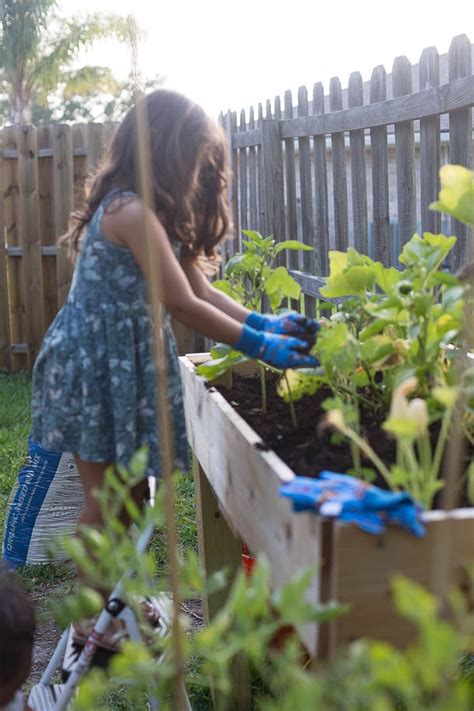
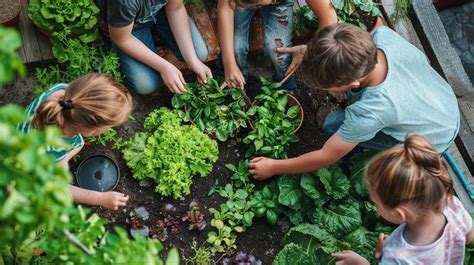
The key to success lies in breaking down tasks into small, manageable, and fun steps that match your child’s developmental stage. For toddlers, this might mean washing vegetables in a bowl of water, tearing lettuce, or stirring ingredients in a bowl. Preschoolers can do more, like peeling soft fruits (with a child-safe peeler), mashing avocados, or planting seeds in the garden. Give them their own kid-sized tools – a small spatula, a dull knife for soft items, or a mini gardening trowel – to make them feel like a capable helper.
Focus on the process, not perfection. A slightly lopsided cookie or a row of seeds planted a little too close together is perfectly fine. The goal is engagement and learning, not culinary or horticultural mastery. Let them explore textures, smells, and tastes, even if it means a little mess.

Establish Routines and Set Clear Expectations
Children thrive on predictability. Designate specific times for food prep or garden activities, even if it’s just 10-15 minutes a day. Perhaps it’s helping with dinner prep while you listen to music, or watering plants together after breakfast. Consistency helps them know what to expect and reduces resistance.
Offer limited choices to give them a sense of control (“Would you like to wash the tomatoes or stir the salad dressing today?” or “Do you want to water the basil or the lettuce?”). Clearly communicate what needs to be done and what their role is. Explaining the ‘why’ behind a task can also be helpful (“We wash the vegetables to make sure they’re clean to eat”).
Embrace the Mess and Celebrate Efforts
Let’s be real: involving young kids means there will be a mess. Flour on the floor, soil on the patio, water spilled. Anticipate it, prepare for it (maybe lay down a mat or cover a table), and try to embrace it. A little mess is a small price to pay for the joy and learning that’s happening. Involve them in the cleanup too, making it part of the routine.
Crucially, offer enthusiastic praise for their efforts and participation, not just for the outcome. “Thank you for helping me stir the batter!” or “I love how carefully you watered the plants!” lets them know their contribution is valued. And the ultimate reward? Letting them taste the food they helped prepare or pick the vegetables they helped grow. This direct connection reinforces the value of their work.

Navigating Resistance and Preventing Meltdowns
Even with the best intentions, some days won’t go as planned. If your child is tired, hungry, or simply not in the mood, pushing them will likely lead to a meltdown. Learn to read their cues. On tough days, offer a very simple, quick task, or let it go entirely without guilt. It’s okay to skip a day or scale back.
If resistance starts, avoid power struggles. Gently remind them of their importance as a helper. If they still refuse, calmly state that you understand they don’t want to help right now, and maybe they can join next time. Sometimes, simply doing the task yourself for a minute will pique their curiosity and draw them back in. Remember, the goal is to foster a positive association, not to force compliance.
Cultivating Life Skills and Family Bonds
Involving young children in food prep and garden chores is more than just getting tasks done; it’s about cultivating essential life skills, building confidence, and strengthening family bonds. These shared experiences create lasting memories and lay the groundwork for a lifelong appreciation of healthy eating, nature, and the satisfaction of contributing to the household. With patience, flexibility, and a sense of humor, you can transform these daily activities into cherished moments of connection and growth, free from the dreaded meltdowns.