





How to adapt classic country recipes using seasonal garden produce and real food swaps?

Embracing the Garden: Modernizing Country Classics
There’s an undeniable comfort in classic country recipes – the hearty flavors, the sense of tradition, and often, the memories they evoke. However, many of these cherished dishes were born out of necessity and a different understanding of nutrition. Today, with an abundance of fresh, seasonal produce and a growing awareness of real food principles, we have the perfect opportunity to update these classics. By incorporating vibrant garden produce and making conscious real food swaps, we can transform these beloved recipes into healthier, more nutritious, and equally delicious meals that celebrate the best of every season.
This approach isn’t about abandoning tradition, but rather enhancing it. It’s about leveraging the peak flavors and nutritional power of what’s growing right now, and replacing processed ingredients with wholesome alternatives. The result? Dishes that feel familiar yet fresh, satisfying yet light, and truly reflective of a connection to your food source.
The Philosophy: Why Adapt?
Adapting classic recipes with seasonal produce and real food swaps brings a multitude of benefits:
- Enhanced Nutrition: Fresh, seasonal produce is packed with vitamins, minerals, and antioxidants often missing from older, heavier recipes. Swapping processed ingredients for whole foods reduces sugar, unhealthy fats, and artificial additives.
- Superior Flavor: Produce picked at its peak offers unparalleled taste. A tomato in August tastes profoundly different from one in February. Incorporating these ingredients elevates the entire dish.
- Sustainability & Cost-Effectiveness: Eating seasonally often means supporting local farmers and reducing your carbon footprint. It can also be more economical as produce is more abundant and cheaper during its natural season.
- Culinary Creativity: This process encourages experimentation and a deeper understanding of ingredients, making you a more intuitive and confident cook.

Understanding Seasonal Produce & Real Food Swaps
Harvesting Inspiration: What’s In Season?
The first step is knowing what’s available. This will vary by region, but generally, spring brings tender greens, asparagus, and peas; summer offers an abundance of berries, tomatoes, zucchini, and corn; fall showcases root vegetables, squash, and apples; and winter provides hardy greens, citrus, and storage crops like potatoes and onions. A quick check with local farmers’ markets or online seasonal guides can be incredibly helpful.
The Heart of the Matter: Real Food Swaps
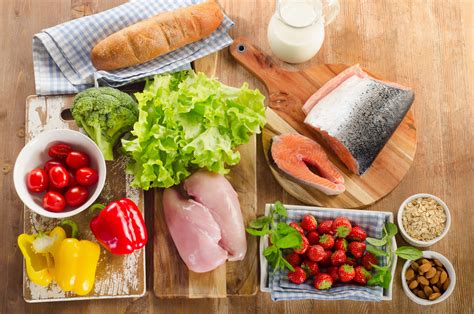
Real food swaps focus on replacing highly processed ingredients with their minimally processed, whole food counterparts. Here are some common examples:
- Fats: Swap hydrogenated oils and shortening for olive oil, avocado oil, butter from grass-fed cows, or coconut oil.
- Sweeteners: Replace refined white sugar with honey, maple syrup, dates, or stevia, used sparingly.
- Grains: Opt for whole grains like whole wheat flour, oat flour, brown rice, or quinoa instead of refined white flour or white rice.
- Dairy: Choose full-fat, organic dairy, or explore plant-based alternatives like almond, oat, or cashew milk if suitable for the recipe.
- Processed Meats: Go for lean, unprocessed cuts of meat, poultry, or fish, ideally pasture-raised or wild-caught.
Adapting Classic Country Dishes: Practical Examples
1. Hearty Stews and Casseroles
Country stews often feature heavy meats and starches. To adapt:
- Increase Vegetables: Add double the amount of seasonal vegetables. In spring, try asparagus and peas; in summer, zucchini and bell peppers; in fall, butternut squash and kale.
- Lighter Thickeners: Instead of a heavy roux, use puréed root vegetables (like potatoes or carrots) or a small amount of whole wheat flour slurry.
- Leaner Proteins: Opt for leaner cuts of beef, chicken breast, or even legumes for a vegetarian version.
Example: Transform a classic beef stew by adding significant amounts of roasted root vegetables (carrots, parsnips, turnips) in the fall, or a vibrant mix of green beans and corn in the summer. Thicken with a blend of puréed sweet potato and a touch of whole wheat flour.
2. Baked Goods & Desserts
Sweet country treats are a cornerstone, but often sugar-laden.
- Whole Grains: Substitute at least half of the all-purpose flour with whole wheat pastry flour or oat flour in muffins, quick breads, and pie crusts.
- Natural Sweeteners: Reduce refined sugar by up to 1/3 and supplement with mashed ripe bananas, applesauce, dates, or a touch of maple syrup/honey.
- Fruit-Forward: Let seasonal fruits shine! Use ripe berries, peaches, apples, or plums as the primary flavor and natural sweetener in crumbles, pies, and tarts.

3. Sides and Salads
Often overlooked, sides are prime candidates for adaptation.
- Green Bean Casserole: Ditch canned soup. Make a creamy sauce with homemade mushroom broth and a touch of organic cream or cashew cream. Top with crispy baked onions instead of fried.
- Potato Salad: Use Greek yogurt or homemade mayonnaise instead of store-bought. Load up with fresh dill, chives, and thinly sliced radishes or cucumbers for crunch.
- Coleslaw: Create a lighter dressing with apple cider vinegar, a touch of honey, and good quality olive oil instead of heavy, sugary mayonnaise. Add shredded carrots, bell peppers, and fresh herbs.
Ingredient Spotlight: Seasonal Produce & Their Country Recipe Roles
- Summer (Tomatoes, Zucchini, Corn, Berries): Ideal for fresh salsas, ratatouille, zucchini bread (using whole wheat flour and less sugar), berry pies and cobblers, and grilled corn salads.
- Fall (Squash, Root Vegetables, Apples, Pears): Perfect for roasted vegetable medleys, hearty pureed soups (butternut squash soup), apple crisp (with oat topping and maple syrup), and savory tarts.
- Spring (Asparagus, Peas, Radishes, Leafy Greens): Excellent in quiches (with a whole grain crust), light pasta dishes, vibrant salads, and simple sautéed sides.
- Winter (Hardy Greens like Kale, Citrus, Onions, Potatoes): Great for warming stews with kale, citrus-infused glazes for poultry, baked potato bar (with healthy toppings), and onion soups.

Tips for Success
- Start Small: Don’t try to overhaul an entire recipe at once. Make one or two key swaps or additions first.
- Taste and Adjust: Flavors will change. Taste as you go and adjust seasonings. Sometimes, a touch more acid (lemon juice, vinegar) or fresh herbs can balance new flavors.
- Embrace Herbs & Spices: Fresh herbs from the garden are a real food powerhouse for flavor. Don’t be shy about using them generously.
- Balance Textures: When adding more vegetables, think about how they contribute to the dish’s texture. Roasted vegetables can add a satisfying bite, while pureed ones can add creaminess.
- Don’t Fear the Fail: Not every adaptation will be a runaway success. That’s part of the learning process!
Conclusion
Adapting classic country recipes using seasonal garden produce and real food swaps is a rewarding culinary journey. It allows us to honor tradition while simultaneously embracing health, flavor, and sustainability. By reconnecting with the rhythm of the seasons and making mindful choices about our ingredients, we can elevate our cooking, nourish our bodies, and create new, delicious memories around the table. So, head to your garden or local market, get inspired by the bounty of the season, and start transforming those beloved classics into vibrant, wholesome masterpieces.