




How to naturally improve clay soil for a productive country vegetable garden?

For many country dwellers, the dream of a bountiful vegetable garden is often met with the reality of stubborn clay soil. Characterized by its small particles, clay can be a double-edged sword: rich in nutrients but prone to compaction, poor drainage, and slow warming in spring. However, with natural methods and patience, you can turn dense, challenging clay into a productive and thriving environment for your vegetables.
Understanding Clay Soil’s Characteristics
Clay soil, while often heavy and difficult to work with, is actually rich in minerals and has a high capacity to hold nutrients. The problem lies in its structure. The tiny particles pack tightly together, leaving little space for air or water to move freely. This leads to poor drainage, waterlogging, slow warming in spring, and a tendency to become brick-hard when dry. Roots struggle to penetrate, and essential soil microbes can be stifled by a lack of oxygen.
The key to improving clay soil is to aggregate these fine particles into larger clumps, creating a more open, crumbly structure. This allows for better air circulation, improved drainage, easier root penetration, and a more hospitable environment for beneficial organisms.
The Foundation: Organic Matter is King
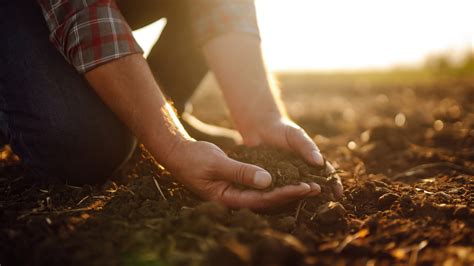
Organic matter is the single most important amendment for clay soil. It acts like glue, binding tiny clay particles into larger aggregates, creating pore spaces for air and water, and improving overall soil structure. It also feeds beneficial microorganisms, which further enhance soil health.
Compost and Well-Rotted Manure
Regularly incorporating generous amounts of well-rotted compost and manure is crucial. These materials introduce a wealth of organic compounds and beneficial microbes. Aim to add a 2-4 inch layer of compost to your garden beds annually, ideally in the fall or spring, and gently work it into the top few inches of soil or simply lay it on top for a no-dig approach. For heavy clay, you might even consider adding more initially.
Cover Crops and Green Manures
Planting cover crops, also known as green manures, is an excellent long-term strategy. Crops like clover, vetch, oats, or rye can be sown in vacant beds during the off-season. Their roots penetrate and break up compacted clay, while their top growth adds biomass when tilled under or left to decompose on the surface. They also suppress weeds and prevent nutrient leaching.

Leaf Mold and Other Organic Amendments
Don’t overlook other sources of organic matter. Leaf mold (decomposed leaves) is excellent for improving soil structure and water retention. You can also incorporate shredded bark, wood chips (in moderation, as they can temporarily tie up nitrogen if mixed deeply into the soil), and even fine sand if combined with significant organic matter (sand alone with clay can create concrete).
Smart Gardening Practices for Clay Soil
Embrace No-Dig Gardening
Traditional digging can disrupt soil structure, especially in clay. No-dig gardening involves building up soil layers with organic matter on top of existing clay. This method encourages a healthy soil food web, improves structure over time, and reduces compaction. Simply add layers of compost, mulch, and other organic materials directly onto your garden beds.
Consider Raised Beds
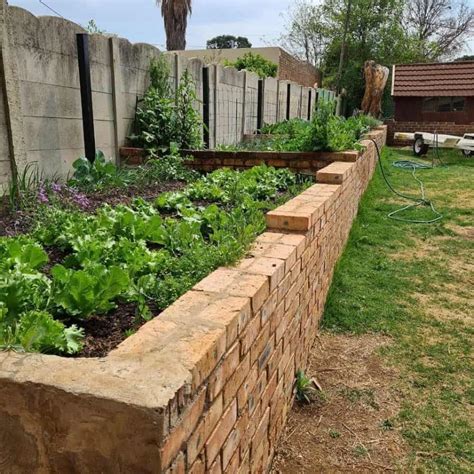
If your clay soil is particularly challenging, or you want quicker results, raised beds are an excellent solution. You can fill them with a custom blend of good quality topsoil, compost, and other amendments, bypassing the native clay entirely (though improving the underlying clay is still beneficial). Raised beds also offer better drainage and warm up faster in spring.
Mulching for Soil Protection
A consistent layer of organic mulch (straw, shredded leaves, wood chips) around your plants is vital. Mulch helps regulate soil temperature, conserves moisture (preventing the clay from drying out too quickly and cracking), suppresses weeds, and as it breaks down, it slowly adds more organic matter to the soil surface.
Mindful Tilling and Compaction Avoidance
If you must till or dig, do so when the soil is moist but not wet. Working clay soil when it’s too wet will destroy its structure and lead to severe compaction. Avoid walking on garden beds, especially after rain, to prevent compacting the soil. Use pathways and stepping stones to keep foot traffic off cultivated areas.
Long-Term Strategies and Patience
Improving clay soil is not an overnight process; it’s a long-term commitment. It can take several seasons, even years, to significantly transform dense clay. Consistent application of organic matter and mindful gardening practices will yield cumulative benefits.
Encourage Earthworms
Earthworms are nature’s tillers. They tunnel through the soil, creating channels for air and water, and their castings are incredibly beneficial for soil structure and fertility. A healthy supply of organic matter will naturally attract and sustain a thriving earthworm population.
Regular Soil Testing
While clay is often nutrient-rich, a soil test every few years can provide valuable insights into its pH and specific nutrient levels. This can help you fine-tune your amendments and ensure your plants are getting what they need.

Conclusion
Improving clay soil naturally requires effort and patience, but the rewards are well worth it. By consistently adding organic matter, employing smart gardening techniques like no-dig methods and mulching, and respecting the soil’s unique characteristics, you can transform your challenging country plot into a fertile, productive vegetable garden that will yield abundant harvests for years to come. Embrace the process, and watch your garden thrive.