


How to properly store root vegetables in a root cellar for winter?
The Timeless Art of Root Cellar Storage
For centuries, root cellars have been a cornerstone of food preservation, offering a natural, energy-efficient way to keep hardy vegetables fresh through the winter. As modern gardening embraces sustainable practices, understanding how to properly utilize a root cellar is more relevant than ever. This guide will walk you through the steps to ensure your root vegetables last from harvest to spring, maintaining their flavor and nutritional value.
Understanding Your Root Cellar’s Environment
A successful root cellar mimics the earth’s natural coolness and humidity. The ideal conditions are a temperature between 35-45°F (2-7°C) and a relative humidity of 85-95%. Good ventilation is also crucial to prevent the buildup of ethylene gas (which can accelerate ripening and spoilage) and to circulate air, deterring mold and mildew. Monitor these conditions regularly with a thermometer and hygrometer, making adjustments as needed.

Harvesting and Preparing Your Vegetables
The journey to successful storage begins with proper harvesting. Most root vegetables should be harvested late in the season, just before the first hard frost. Handle them gently to avoid bruising, which can create entry points for pathogens. For most root crops like carrots, beets, and parsnips, leave about an inch of stem attached to prevent ‘bleeding’ and moisture loss, but completely remove the green tops. Potatoes, sweet potatoes, and winter squash benefit from a ‘curing’ period of 1-2 weeks in a warm, humid environment (around 50-60°F or 10-15°C) to toughen their skins and heal any minor wounds. Before storing, brush off excess soil but avoid washing, as moisture can encourage rot.
Choosing the Right Storage Medium
The storage medium plays a vital role in maintaining humidity and preventing direct contact between vegetables, which can spread spoilage. Common choices include:
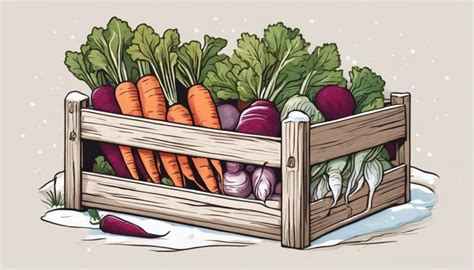
- Moist Sand: Ideal for carrots, beets, parsnips, and turnips. Layer vegetables in bins or crates with damp (not wet) sand, ensuring no vegetables touch each other.
- Sawdust or Peat Moss: Similar to sand, these work well for root crops and can offer good insulation.
- Loose Bins/Crates: Potatoes, sweet potatoes, and onions prefer slightly drier, well-ventilated conditions. Store them in open crates or mesh bags to allow for air circulation.
Specific Storage Techniques for Common Root Vegetables
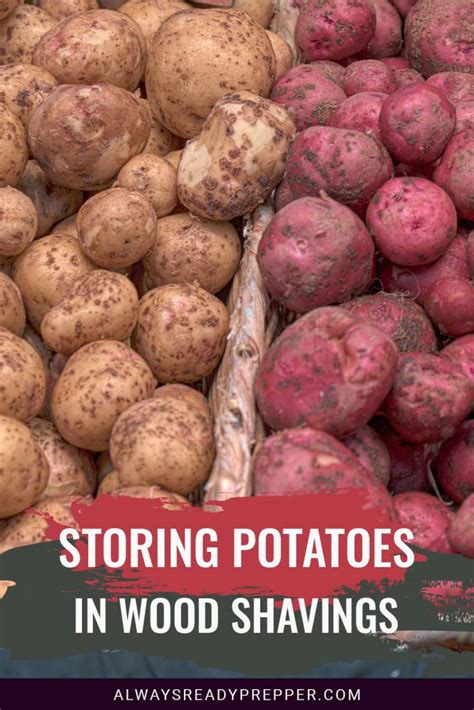
- Potatoes: Store in the darkest part of the cellar in open bins or burlap sacks. Keep them away from apples, which emit ethylene gas.
- Carrots, Beets, Parsnips, Turnips: Layer these in moist sand, sawdust, or peat moss. Ensure the medium is consistently damp but not waterlogged.
- Onions and Garlic: Require cool, dry conditions with good air circulation. Hang them in mesh bags or braid them and hang from the ceiling.
- Sweet Potatoes: After curing, store in a slightly warmer, drier section of the cellar (around 55-60°F or 13-15°C) if possible, or they can be stored with other root crops if the cellar is on the warmer side of the ideal range.
Monitoring and Maintenance
Regular inspection is key to successful root cellaring. Check your stored vegetables every 2-4 weeks. Remove any items showing signs of spoilage (soft spots, mold, sprouting) immediately to prevent the problem from spreading. Ensure proper air circulation is maintained and adjust humidity if necessary, perhaps by sprinkling water on the floor or adding a pan of water if it’s too dry, or improving ventilation if it’s too damp. Keeping the cellar clean helps prevent pests and diseases.
Troubleshooting and Tips for Success
- Premature Sprouting: Often caused by temperatures that are too warm or inconsistent. Ensure your cellar maintains a steady, cool temperature.
- Rot and Mold: Usually a sign of too much moisture, poor ventilation, or damaged vegetables. Remove affected items, improve airflow, and ensure vegetables were properly cured and undamaged before storage.
- Drying Out: If vegetables become shriveled, the humidity is too low. Increase humidity by adding pans of water or dampening the floor.
By following these guidelines, you can significantly extend the life of your root vegetables, providing your household with fresh, homegrown produce long into the winter months. A well-managed root cellar is not just a storage solution; it’s a testament to self-sufficiency and a deeper connection to the food we eat.