




How to source real food & local produce from farms while traveling rural?

Embrace the Local Flavor: A Guide to Rural Food Sourcing
One of the most enriching aspects of rural travel is the opportunity to connect with the land and its people, often best experienced through its food. Beyond quaint scenery, rural areas offer a treasure trove of fresh, local produce, artisanal goods, and wholesome ingredients directly from the source. Sourcing real food from farms not only elevates your culinary journey but also supports local economies and offers a deeper understanding of the region’s agricultural heritage.
Forget the supermarket aisles; imagine biting into a perfectly ripe peach picked just hours ago, or savoring cheese crafted by a local dairy farmer. This guide will help you navigate the charming world of rural food sourcing, ensuring your travels are as delicious as they are memorable.

Strategies for Discovering Local Farms and Markets
Finding local food isn’t always as simple as following a sign. Here are some proven methods to unearth the best produce and products while on the road:
1. Farmers’ Markets: The Community Hub
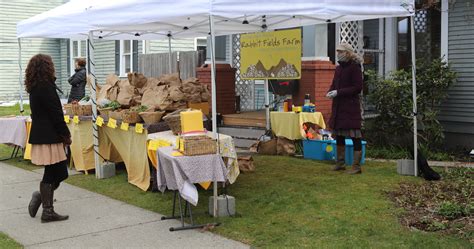
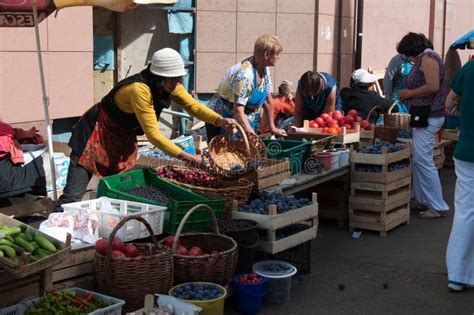
These are often the easiest and most vibrant places to find a variety of local goods. Check local tourism websites, ask at your accommodation, or simply observe roadside signs for market days and locations. Arrive early for the best selection, and don’t be shy to chat with the farmers – they love sharing stories about their produce.
2. Roadside Stands: Hidden Gems
Keep an eye out for unmanned or family-run roadside stands, especially common in areas known for specific crops. These often operate on an honor system, offering ultra-fresh produce directly from the adjacent fields. Prices are typically excellent, and the experience is authentically rural.
3. Farm Stays and Agritourism: Direct Access
Consider booking a farm stay or participating in agritourism experiences. Many working farms now offer accommodations or tours, giving you direct access to their produce, animals, and even farm-to-table meals. It’s an immersive way to understand where your food comes from.
4. Local Inquiries: Ask the Experts
The best resource is often the local community itself. Ask shopkeepers, café owners, innkeepers, or even fellow travelers for recommendations. Locals are usually eager to share their favorite spots for fresh eggs, honey, berries, or other regional specialties.
5. Online Resources & Apps: Digital Discovery
Before you even arrive, do a quick online search for “[rural area name] farms,” “[rural area name] local produce,” or use apps dedicated to local food sourcing. Websites like LocalHarvest.org or Eatwild.com can help you locate farms, CSAs, and farmers’ markets nationwide.
Tips for a Successful Farm-to-Table Experience
Once you’ve located a source, a few considerations can enhance your buying experience:
- Cash is King: While some larger markets accept cards, many small stands and individual farmers prefer cash.
- Bring Your Own Bags: Help reduce waste by carrying reusable shopping bags or baskets.
- Know What’s in Season: Research the seasonal produce for the region you’re visiting. This ensures the freshest options and helps you appreciate the local agricultural cycle.
- Ask About Practices: Don’t hesitate to ask farmers about their growing methods. This is your chance to learn about organic practices, pest control, and sustainable farming.
- Be Respectful: When visiting farms, remember you are on private property. Be mindful of fences, gates, and farm animals.
The Unbeatable Benefits of Sourcing Local
Beyond the simple act of buying food, there are myriad advantages to embracing local sourcing while traveling:
Superior Freshness and Flavor
Produce picked just hours or a day before reaches your hands at its peak ripeness, leading to unparalleled taste and nutritional value. The short travel distance means less degradation and more vibrant flavor profiles.
Support Local Economies
Your purchases directly support small family farms and local businesses, helping to sustain rural communities and agricultural traditions. This keeps money circulating within the local area, fostering economic resilience.

Unique Culinary Experiences
Local ingredients inspire unique cooking opportunities, whether it’s preparing a meal at your Airbnb or enjoying a picnic with farm-fresh components. You might discover new varieties of fruits or vegetables you’ve never encountered before.
Reduced Environmental Impact
Sourcing locally means fewer food miles, reducing the carbon footprint associated with long-distance transportation. It often supports more sustainable farming practices as well.

Conclusion: A Taste of Authentic Rural Life
Sourcing real food and local produce while traveling rural is more than just grocery shopping; it’s an integral part of the travel experience. It connects you with the heartbeat of a region, allowing you to taste the land, meet the people, and support sustainable practices. So, on your next rural adventure, make it a point to seek out those farm-fresh treasures. Your palate, and the communities you visit, will thank you.