





How to predator-proof a DIY chicken coop naturally?

Building a Fortress: The Fundamentals of Natural Coop Security
Creating a safe haven for your backyard chickens goes beyond just providing shelter; it means actively defending them against a variety of predators. While commercial coops offer some security, a DIY coop allows for tailored, natural predator-proofing solutions from the ground up. This guide will walk you through essential strategies to protect your flock using environmentally friendly and sustainable methods.
Understanding Your Adversaries: Common Chicken Predators
Before you can effectively predator-proof, you need to know who you’re up against. Common chicken predators vary by region but often include raccoons, foxes, coyotes, weasels, opossums, hawks, owls, and even neighborhood dogs. Each predator has unique methods of attack, from digging under fences to squeezing through small gaps or climbing over barriers. Raccoons, for instance, are notoriously clever with latches, while weasels can fit through surprisingly small openings. Foxes and coyotes are skilled diggers and jumpers.

Identifying potential threats in your area will help you prioritize your defenses. Look for signs like tracks, droppings, or reports from neighbors. Understanding their habits is the first step in outsmarting them naturally.
Fortifying the Structure: Coop Construction Essentials
Hardware Cloth is King, Not Chicken Wire
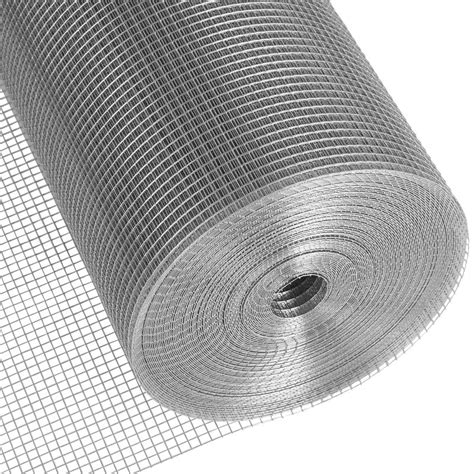
The single most crucial upgrade you can make for predator-proofing is replacing standard chicken wire with hardware cloth. Chicken wire is designed to keep chickens in, not predators out. Raccoons can easily tear through it, and many smaller predators can chew or squeeze through its large hexagonal openings. Hardware cloth, typically 1/2-inch or 1/4-inch galvanized steel mesh, is much stronger and smaller, preventing all but the tiniest pests from entering. Use it for all windows, vents, and any openings.
Burying a Hardware Cloth Skirt
Many ground predators, such as foxes, coyotes, and digging dogs, will try to tunnel under your coop walls. To prevent this, extend your hardware cloth horizontally outwards from the base of your coop, burying it at least 12-18 inches deep. This creates an underground apron that discourages digging. Alternatively, if a horizontal skirt isn’t feasible, bury the hardware cloth vertically at least 18 inches deep around the entire perimeter of the run and coop.
Secure Latches and Doors
Raccoons are incredibly dexterous and can open simple latches. Invest in predator-proof latches for all doors and access points. Double-locking mechanisms, carabiners, or barrel bolts with an added clip are excellent choices. Ensure all doors fit snugly and have no gaps larger than an inch.
Solid Roof and Enclosed Run
While not strictly ‘natural’ in construction, a solid roof over your coop and a fully enclosed run (including the top) protects against aerial predators like hawks and owls, as well as climbing predators. If a solid roof isn’t possible for the run, use heavy-gauge netting or hardware cloth for overhead protection.
Natural Deterrents and Habitat Management
Guard Animals
A natural and effective deterrent can be a vigilant guard animal. Livestock Guardian Dogs (LGDs) like Great Pyrenees or Anatolian Shepherds are bred to protect livestock and can be invaluable. Guinea fowl are also excellent alarms, squawking loudly at the sight of anything unusual. Even a rooster can provide an extra layer of defense, alerting the flock and potentially confronting smaller threats.

Sensory Deterrents: Sight and Smell
- Motion-Activated Lights: While not entirely ‘natural’, solar-powered motion lights can surprise and deter nocturnal predators.
- Predator Urine: Scattering predator urine (e.g., coyote urine to deter foxes) around the perimeter can trick smaller predators into believing a larger threat is nearby.
- Strong Smells: Some gardeners swear by strong-smelling deterrents like garlic, mint, or cayenne pepper sprinkled around the coop perimeter, though their effectiveness can be limited and require frequent reapplication.
Strategic Landscaping
Keep the area immediately surrounding your coop clear of dense brush, tall weeds, and woodpiles. These offer hiding places for predators to stalk your chickens undetected. Trim tree branches that hang close to the coop, as these can provide easy access for climbing predators.
Daily Routines for Enhanced Security
Lock Up at Dusk
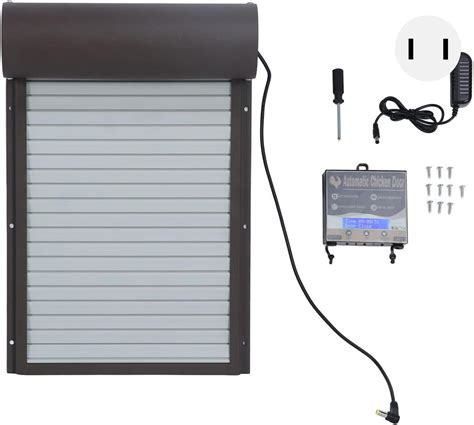
The vast majority of predator attacks occur at night. Make it a strict routine to lock your chickens securely in their coop every evening at dusk. Do not rely on automatic doors alone; always check that the coop is fully secured.
Food and Water Management
Do not leave chicken feed or water outside the coop overnight. This attracts rodents and insects, which in turn attract larger predators. Store feed in airtight, metal containers that raccoons cannot open or chew through.
Prompt Egg Collection
Collect eggs daily, preferably in the morning. Eggs can attract snakes, rats, and other small predators that might otherwise ignore your coop.
Regular Inspections and Maintenance
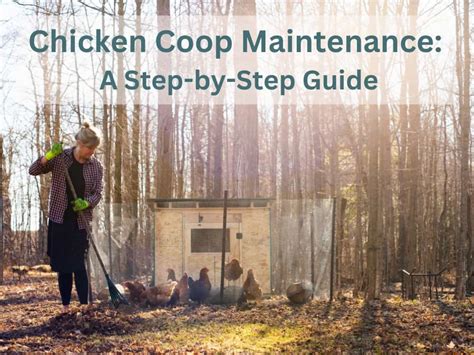
Even the most robust coop can develop vulnerabilities over time. Regularly inspect your coop and run for any signs of wear and tear: torn hardware cloth, loose boards, chewed openings, or compromised latches. Check for fresh digging signs around the perimeter. Address any issues immediately to prevent a breach.
Conclusion
Predator-proofing your DIY chicken coop naturally is an ongoing process that combines smart construction, environmental awareness, and consistent vigilance. By investing in strong materials, implementing natural deterrents, and maintaining diligent daily routines, you can provide your beloved flock with a safe, secure, and thriving environment without resorting to harmful chemicals or inhumane traps.